
Roof Repair NJ › NJ Locations › Essex County
Newark · Montclair · The Oranges · 22 towns
Roof Repair in Essex County, NJ: Slate, Flat and Shingle Roofs From Newark to the Caldwells
Roof Repair SNJ fixes leaking, storm-damaged and worn roofs across all 22 Essex County towns, from Newark’s flat-roof three-families to Montclair and Glen Ridge slate and the Caldwells’ ridge-top colonials. Every visit starts with a free inspection and photos, and you get a written itemized quote plus a 2-year workmanship warranty on repairs.
- Slate, flat and shingle repair countywide
- Free inspection with dated roof photos
- Written itemized quote before any work
Free roof inspection in Essex County
Photos of every problem we find and an itemized written price before any work. Emergency requests handled 24/7.
Roof Repair SNJ
22 Essex County towns · all 21 NJ counties
Free inspection
Roof, attic and gutters checked at no cost.
Insured
Liability and workers’ comp; certificate on request.
Written quotes
Itemized price in writing before any work.
Photo-documented
Every problem photographed, before and after.
Essex County at a glance
Essex County at a Glance: What Shapes Its Roofs
Essex County has one of the oldest housing stocks in New Jersey, a median home built in 1958, and nearly three in ten homes that predate 1940. Add a dense city core, slate-heavy inner suburbs and higher, snowier ground in West Essex, and you get a county where one roofer needs flat-roof, slate and shingle skills on the same week.
County seat
Newark
Newark holds 311,549 of the county’s 863,728 residents (2020 Census), and its brick row houses, two-families and three-families drive most flat and low-slope repair calls in the county.
Municipalities
22
From the City of Newark to the 2,244-resident Borough of Essex Fells, each town runs its own construction office, and several run historic preservation commissions that affect roof work.
Median year built
1958
Census ACS 2023 5-year estimates as compiled by Stacker rank Essex third-oldest in NJ; 29.1% of homes were built in 1939 or earlier.
Homes built before 1980
74.9%
NJ Department of Health tracking data (ACS 2019-2023). Older homes mean original slate, plank decks, chimneys with old flashing and attic ventilation that was never designed for modern insulation.
Average snowfall
About 31.5 in.
1991-2020 NOAA normal at Newark Liberty Airport. The Caldwells, Verona and West Orange sit higher on the Watchung ridges and often collect more.
Wettest day on record
8.41 in.
Newark’s rainfall from the remnants of Ida on September 1, 2021, the city’s wettest day on record. Maplewood logged 8.39 inches in the same storm.
Homes & roofs
What Kinds of Homes and Roofs Does Essex County Have?
Essex County roofs split into four broad families: flat and low-slope roofs on Newark and the Oranges’ multi-family homes, slate and steep gables on Montclair, Glen Ridge and South Orange Victorians, asphalt over older plank decks in Bloomfield, Belleville and Nutley, and newer shingle roofs in Livingston, Roseland and the Caldwells. Each area fails in its own way.
Newark brick row houses and three-families
In the Ironbound, the North Ward and Vailsburg, many homes are two- and three-family frame or brick buildings with a flat or barely pitched rear roof behind a front parapet or mansard. Leaks start at the parapet coping, the scupper that drains the roof into a leader, and old tar patches layered over modified bitumen. Shared walls mean water can travel to a neighbour’s unit before it shows up, so we trace it from the roof deck down.
Montclair and Glen Ridge Victorians and slate
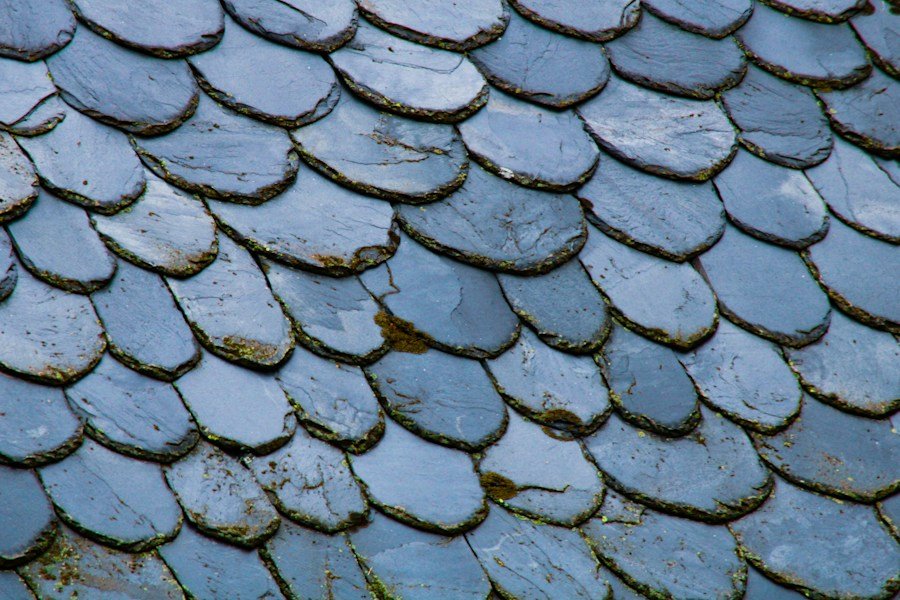
Upper Montclair, the Watchung Plaza area and most of Glen Ridge have Queen Anne, Shingle Style and Colonial Revival houses from roughly 1890 to 1930, many still on their original Pennsylvania or Vermont slate. These roofs are steep, cut up with dormers and towers, and flashed with copper or old terne metal. Slate itself often lasts; the nails, the valleys and the chimney flashing are what give out, which is why careful slate repair usually beats tear-off here.
The Oranges’ Tudors and center-hall colonials
South Orange’s Montrose Park area, West Orange’s Llewellyn Park and Pleasantdale, and the Seven Oaks section of Orange carry 1910s to 1930s Tudors and colonials with steep front gables, slate or clay accents and big brick chimneys. Step flashing along the gable walls and the counter flashing set into chimney mortar are the usual leak points, and ice dams form on the long north-facing eaves under the old-growth trees.
Maplewood and Millburn-Short Hills
Maplewood’s Stickley-era and Colonial Revival homes and the larger stone and stucco houses of Short Hills combine slate, cedar and premium architectural shingles on complex roofs with copper half-round gutters. Many have been renovated in stages, so it is common to find a 1920s slate main roof beside a 1990s shingle addition, and the joint between the two is where water gets in.
Bloomfield, Belleville and Nutley capes and two-families
These towns grew fast between the 1920s and 1950s, with capes, bungalows, foursquares and two-family homes on narrow lots. Most now have asphalt shingles, sometimes two layers, over original board sheathing. Common jobs are dormer flashing on capes, worn pipe boots, soft deck boards near the eaves and low-slope porch or rear-addition roofs where shingles were installed below their minimum pitch.
Irvington and East Orange multi-family and apartment roofs
Irvington and East Orange mix two-families with 1920s brick apartment buildings and garden complexes. The apartment roofs are flat, often built-up tar and gravel or modified bitumen with internal drains, parapets and bulkhead doors. Clogged drains, blistered membrane and failed flashing at rooftop units are routine, and because these are not detached one- or two-family homes, larger repairs usually need a permit.
Livingston, Roseland and West Essex suburbs
Livingston, Roseland, Cedar Grove, the Caldwells, Essex Fells and Fairfield were built out mostly after World War II with split-levels, ranches, bi-levels and later center-hall colonials. These are architectural-shingle roofs approaching or past their second replacement. Typical problems are wind-lifted shingles on exposed ridge streets, low-slope transitions over split-level family rooms and skylights from 1980s remodels.
Essex County weather
How Does Essex County Weather Damage Roofs?
Essex County roofs take extreme rain, wet heavy snow, tree-fall in wind storms and steady freeze-thaw cycling, and the county has recent dated examples of each. The eastern lowlands around Newark see more flash flooding and wind exposure, while the ridge towns to the west collect more snow and ice.
Ida, September 1, 2021: record rain
The remnants of Ida dropped 8.41 inches on Newark, its wettest day on record, and 8.39 inches in Maplewood. The Rahway River flooded downtown Millburn, where more than 100 people were rescued. On roofs, that much rain in a few hours overwhelms scuppers, internal drains and undersized leaders, so flat roofs in Newark and Irvington ponded and leaked at seams that had held for years in normal storms.
Sandy, October 29, 2012: wind
Superstorm Sandy brought a peak gust of 78 mph at Newark. In Essex the damage was mostly wind and trees: lifted and creased shingles, torn ridge caps, stripped flashing and big oaks and maples landing on roofs across Montclair, the Oranges and Maplewood. Shingles that were creased in that storm but never replaced can still show up as slow leaks during later wind-driven rain.
Isaias, August 4, 2020: trees and outages
Tropical Storm Isaias knocked out power to 48,155 Essex County customers by mid-afternoon, with Newark, West Orange and Montclair hit hardest. Verona, Cedar Grove and West Caldwell reported trees and wires down. For roofs, Isaias showed how much of Essex sits under a mature canopy: limb strikes puncture decks, crack slate and pull gutters off fascia.
March 2018 nor’easters: heavy wet snow
The March 6-7, 2018 nor’easter left 23.0 inches at North Caldwell, and statewide tree damage was described as the worst since Sandy wherever five inches or more of wet snow fell. Wet snow is heavy, so older rafters in West Essex capes showed sagging, and broken limbs fell onto roofs from Verona to Livingston. Snow sliding off slate also tore copper snow guards and gutters loose.
January 2016 blizzard: drifting and ice
The January 23-24, 2016 blizzard dropped 17.0 to 28.1 inches across Essex County, with 28.1 inches at Newark Airport, a record for the site. Drifts piled against parapets and dormer walls, and as snow melted over the following week, water backed up behind ice at the eaves of poorly ventilated attics, a classic ice dam pattern in Bloomfield and Nutley capes.
Freeze-thaw, shade and summer heat
Newark averages about 31.5 inches of snow a season, and winter temperatures swing across freezing many times. Each swing works water into cracked slate, open mortar joints at chimneys and nail holes. Summer heat bakes south-facing shingles and dries out old modified bitumen, while heavily shaded north slopes in South Orange and Montclair stay damp and grow moss that holds water against the roof.
Roofing services
Which Roofing Services Do Essex County Homes Need Most?
In Essex County the most requested work is leak tracing on older roofs, slate repair in the inner suburbs, flat-roof repair on Newark and the Oranges’ multi-family buildings, and storm response after wind and tree damage. Here is how each of our services applies to homes in this county.
Roof Leak Repair in Essex County
Leaks in Essex often start far from the stain: at a Newark parapet coping, a Montclair chimney cricket or a Bloomfield dormer cheek wall. We trace water from the attic or top-floor ceiling back to the entry point and fix the cause, with photos before and after.
Emergency Roof Repair in Essex County
When a limb comes through a West Orange roof or a Newark flat roof gives way in a downpour, send an emergency request through the contact page at any hour. We tarp or temporarily seal the opening, photograph everything for the insurer and schedule the permanent repair.
Storm Damage Roof Repair in Essex County
Sandy, Isaias and the March 2018 nor’easters all left Essex roofs with lifted shingles, cracked slate and storm-bent flashing. We document wind and tree damage room by room and roof plane by roof plane so your adjuster sees exactly what the storm did.
Roof Replacement in Essex County
Many Essex homes built in the 1950s and 1960s in Livingston, Cedar Grove and the Caldwells are on their second or third shingle roof. When the deck is soft or there are already two layers, a full tear-off with new ice and water shield is the honest answer.
Roof Inspection in Essex County
Buying a house in Maplewood, Glen Ridge or South Orange usually means buying an old roof. Our inspection covers slate condition, flashing metals, chimney caps, attic ventilation and gutters, with a photo report you can take into a price negotiation.
Flat Roof Repair in Essex County
Flat and low-slope roofs are everywhere in Newark, East Orange and Irvington: rear roofs on three-families, porch roofs and brick apartment buildings. We repair modified bitumen, EPDM and built-up roofs, clear scuppers and drains and re-flash parapets and rooftop units.
Metal Roof Repair in Essex County
Essex metal work is mostly historic: standing-seam porch roofs, copper bay roofs, terne-coated valleys and built-in gutters on Montclair and Orange Victorians. We repair seams, solder copper, and recoat painted terne before rust opens holes.
Slate Roof Repair in Essex County
Slate is a signature of Montclair, Glen Ridge, South Orange, Maplewood and Short Hills. We replace broken slates with matched stone using copper nails and bibs or slate hooks, rebuild copper valleys and leave sound slate in place instead of selling a tear-off.
Shingle Roof Repair in Essex County
Asphalt shingle repairs are the bread and butter of Bloomfield, Belleville, Nutley, Livingston and West Caldwell. We match shingle color and profile as closely as available stock allows, reseal tabs lifted by wind and replace worn pipe boots and step flashing.
Roof Cleaning in Essex County
Shaded streets in South Orange, Montclair and Essex Fells grow moss and algae on north-facing slopes. We clean with low-pressure, roof-safe methods that protect shingle granules and slate surfaces, and point out any soft spots the growth was hiding.
Gutter Repair in Essex County
Essex’s big oaks and maples fill gutters every fall, and overflowing gutters feed ice dams in winter. We repair and re-pitch gutters, rehang copper half-rounds on older homes, fix rotted fascia and size leaders to handle storms like Ida.
Commercial Roofing in Essex County
Main-street buildings on Bloomfield Avenue, Springfield Avenue in Maplewood and Broad Street in Newark often have flat roofs with parapets, skylights and rooftop units. We repair and replace low-slope commercial roofs and coordinate with building owners and tenants on access.
Essex County rules
Do You Need a Permit for Roof Repair in Essex County?
Permits & local review
For a detached one- or two-family house in Essex County, replacing or repairing roof covering is ordinary maintenance under N.J.A.C. 5:23-2.7, so no construction permit or inspection is needed. That covers many single-family homes in Livingston, Bloomfield and Montclair. A permit from your town’s construction office is required when the job includes replacing sheathing or rafters, when the building is attached or has three or more units (common in Newark, East Orange, Irvington and Orange), when it is commercial, or when someone wants to add a third layer of shingles.
Historic districts add a second step. Montclair requires a Certificate of Appropriateness for exterior changes in its local districts, such as Pine Street, Town Center, Upper Montclair Business and Watchung Plaza, though maintenance and repair of existing roofing that does not change the design or appearance is exempt. Glen Ridge’s Historic Preservation Commission application lists roof work and asks for roof plans, product specifications and a material sample. Newark has seven designated historic districts, including Forest Hill and Lincoln Park. If you plan to switch from slate to shingles or change a roof’s look in any of these places, check with the town first; we will help you prepare photos and product sheets.
Insurance claims
Most Essex County roof claims are for wind and tree damage, which standard homeowners policies usually cover, while gradual leaks from worn flashing or old shingles are usually excluded. After Isaias and the 2018 nor’easters, many Essex claims involved limbs from street trees and neighbouring yards; your own policy normally covers damage to your house regardless of whose tree fell. Flooding from storms like Ida, water rising from the ground or a river, is excluded from homeowners coverage and needs separate flood insurance, but rain that enters through a storm-damaged roof is a different matter. Document early: date-stamped photos of the roof, the attic and any ceilings, plus a record of any tarping. For slate roofs, ask your adjuster how the policy handles matching, since a patch of new slate can look different from century-old stone. Your policy and agent have the final word; we supply the inspection photos and an itemized repair estimate.
Pricing · updated November 2026
How Much Does Roof Repair Cost in Essex County?
As of November 2026, most Essex County roof repairs fall between about $350 for a few shingles and $2,500 or more for slate, flat-roof or deck work. Costs run toward the upper end of each range on steep Victorian roofs in Montclair and the Oranges, on slate, and on Newark multi-family buildings where access and permits add time.
Shingle and small repairs
$350 – $800
Replacing a few wind-lifted shingles, resealing tabs or swapping a cracked pipe boot on a Bloomfield cape or Livingston split-level. Steep pitches and two-layer roofs add labor.
Flashing and pipe boots
$250 – $600
New boots around plumbing vents and bath fans, plus small step-flashing fixes along dormer walls. Common on Nutley and Belleville homes where boots from the last re-roof have cracked.
Single-source leak repair
$400 – $1,500
Tracing one leak to its source and repairing it, whether at a Newark parapet, a South Orange valley or a skylight curb. Price depends on how hidden the entry point is and what has to be opened up.
Chimney and skylight re-flashing
$400 – $1,800
Skylight re-flashing usually runs $400 to $1,200; chimney re-flashing $600 to $1,800. Large brick chimneys on Oranges Tudors need new step and counter flashing cut into the mortar joints.
Flat-roof patch or seam
$400 – $2,500
Patching modified bitumen or EPDM seams, re-flashing a scupper or drain and repairing parapet coping on Newark and East Orange three-families and apartment roofs. Larger areas or permit-required work cost more.
Slate, valley and deck repair
$500 – $2,500+
Matched slate replacement, copper valley work ($500 to $1,500 for a valley) or a rotted deck section ($500 to $2,000+). Montclair and Glen Ridge slate jobs often need staging and hand-sorted salvage stone.
What moves the price in Essex County
- Slate prevalence. Montclair, Glen Ridge, South Orange, Maplewood and Short Hills have many original slate roofs. Slate repair requires matched stone, copper fasteners and careful foot traffic, so it costs more per square foot than shingle work.
- Roof height and pitch. Three-story Victorians and steep Tudor gables need roof jacks, harnesses and sometimes staging, which adds labor hours compared with a ranch in Roseland.
- Access on dense lots. In Newark, Irvington and East Orange, narrow side yards and shared driveways limit ladder placement and dumpster space, and some streets need a parking arrangement for the truck.
- Permits on multi-family buildings. Three-families and apartment roofs are outside the one- and two-family maintenance exemption, so larger repairs carry permit fees and inspection scheduling.
- Hidden deck damage. With a median build year of 1958, many Essex roofs sit on original board sheathing. Soft boards found under old shingles are replaced at a per-section price.
- Historic review. In-kind repairs in Montclair’s districts are exempt from review, but a change of material may need a commission application, which adds time.
- Tree cover. Heavy canopy in the Oranges and Essex Fells means debris removal, gutter cleaning and limb clearance can be part of the job.
- Metal type. Copper flashing and gutters on older homes cost more than aluminum but match the house and last decades.
Planning ranges, not quotes, updated November 2026. Based on the site-wide repair ranges, the Roof Observations New Jersey roof cost guide (January 2026) and Fixr’s 2026 New Jersey replacement data. Your written itemized quote follows a free inspection of your actual roof. More detail is in our roof repair cost guide.
Who does the work
Why Essex County Homeowners Choose Roof Repair SNJ
- Repairing NJ roofs for 25+ years
- General liability + workers’ comp insurance
- Workmanship warranty: 2 years on repairs, 10 years on full replacements, in writing
- Photo report with every inspection
Check any roofer before you sign in Essex County
Ask for the 13VH registration number and confirm it on the NJ license lookup. NJ law requires a signed written contract showing the registration number and total price, and gives you until midnight of the third business day to cancel (N.J.S.A. 56:8-151).
22 towns
Roof Repair Notes for Essex County Towns
We work in every Essex County municipality, and the roof problems change noticeably from one town to the next. These notes cover the largest and most distinct towns; the full list of the 22 towns we serve appears below. Homes just over the line are covered on our Union County roof repair page, and the wider service area is on our roof repair NJ homepage.
Newark
Newark is the county’s flat-roof capital: brick row houses, frame two- and three-families in the North Ward and Vailsburg, and mixed-use buildings along Ferry Street in the Ironbound. Most leaks come from parapet coping, scuppers and layered tar patches. Forest Hill, a historic district with more than 1,200 homes, adds slate, tile and complex Victorian and revival roofs to the mix.
Montclair
Montclair has a large share of slate roofs, especially in Upper Montclair and the streets around Watchung Plaza and Edgemont Park. Expect steep pitches, towers, eyebrow dormers and copper built-in gutters. The township’s historic preservation rules exempt in-kind roof repair, so matched slate replacement can usually proceed without review.
East Orange
East Orange mixes early twentieth-century two-families, large frame homes in Ampere and Elmwood and dozens of brick apartment buildings near Main Street and Central Avenue. Flat apartment roofs with internal drains and parapets need regular drain clearing and flashing checks, and many pitched roofs carry two layers of shingles that must come off at the next replacement.
West Orange
West Orange climbs the First and Second Watchung ridges, so homes on Eagle Rock Avenue and Pleasant Valley Way see more wind and snow than the valley. Llewellyn Park has large historic estates with slate and tile. Elsewhere, 1950s to 1970s colonials and splits need shingle repair, skylight flashing and ice-dam prevention on north slopes.
Bloomfield
Bloomfield’s housing is mostly 1920s to 1950s capes, colonials and two-families on compact lots, plus older Victorians near the Green. Cape dormers and low-slope rear additions are frequent leak points. Ida’s record rainfall exposed undersized gutters and leaders across town, so many repairs here include upsizing drainage along with the roof fix.
Maplewood
Maplewood logged 8.39 inches of rain in Ida, and its older housing showed it. Many homes are Colonial Revival, Tudor and Arts and Crafts houses from the 1910s to 1930s, often with slate or a slate main roof and later shingle additions. Shaded streets near Memorial Park grow moss, and copper flashing at chimneys is often original.
Livingston
Livingston was largely built after 1950: ranches, splits and later large center-hall colonials. Many roofs are on their second architectural-shingle layer and approaching the end of life. Common calls are wind-lifted shingles, leaking skylights from remodels, flashing at second-story additions and low-slope sections over family rooms that were shingled below minimum pitch.
Nutley and Belleville
Nutley and Belleville sit along the Passaic River with dense blocks of capes, two-families and older brick buildings near Franklin Avenue and Washington Avenue. Expect board sheathing under two shingle layers, narrow driveways that complicate dumpster placement, and porch roofs where rolled roofing has cracked. Ice dams are common on small capes with little attic ventilation.
South Orange
South Orange’s Montrose Park and Newstead sections hold large Tudor, Colonial Revival and Shingle Style homes with slate, copper and steep gables, under heavy shade near the South Mountain Reservation. Slate repair, copper valley replacement and chimney re-flashing are the main jobs, and moss on north slopes needs careful cleaning that does not scar the stone.
The Caldwells and Essex Fells
Caldwell, West Caldwell, North Caldwell and Essex Fells sit higher in West Essex, where North Caldwell measured 23.0 inches of snow on March 7, 2018. Essex Fells has large older homes on wooded lots with slate and cedar; the Caldwells mix 1920s homes with postwar colonials. Snow load, ice dams and storm limbs drive most repairs here.
All 22 municipalities we serve in Essex County
Newark · East Orange · Irvington · Bloomfield · West Orange · Montclair · Belleville · Orange · Livingston · Nutley · Maplewood · Millburn · South Orange · Verona · Cedar Grove · West Caldwell · Caldwell · Fairfield · Glen Ridge · North Caldwell · Roseland · Essex Fells
Seasonal roof care
When Should Essex County Homeowners Maintain Their Roofs?
Plan two roof checks a year in Essex County, one in spring after freeze-thaw season and one in late fall after the leaves are down, and add a quick look after any named storm or heavy wet snow. Here is what each season brings.
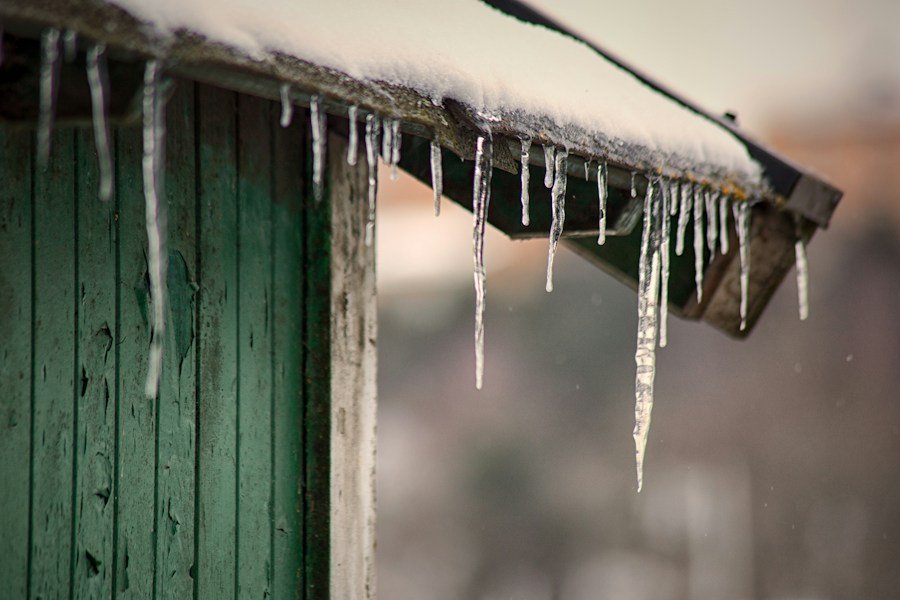
Spring is when winter damage shows. After a season of roughly 31 inches of snow and dozens of freeze-thaw swings, look for slipped or cracked slates on Montclair and Glen Ridge roofs, a common sight in March and April as slates whose nails rusted through finally slide. On shingle roofs in Bloomfield and Livingston, check for granules collecting at leader outlets and for shingle tabs creased by winter wind. Inside, check the attic and top-floor ceilings for stains left by ice dams. Flat-roof owners in Newark and East Orange should clear scuppers and drains of winter grit and look for blisters or splits in the membrane before spring thunderstorms. Spring is also a good time to book slate and copper work, before summer heat makes steep roofs hard to work on. Cut back branches touching the roof now, while you can see the structure of the tree.
Summer is thunderstorm and heat season. Essex has learned what a few hours of tropical rain can do: Ida dropped more than eight inches on Newark and Maplewood in 2021. Before August and September, make sure gutters and leaders are clear and properly sized, especially on flat roofs that rely on a single scupper. Heat dries out old modified bitumen and roofing cement, so patched flat roofs in Irvington and Orange can open up in July. On shingle roofs, south-facing slopes on unshaded postwar homes in Roseland and Cedar Grove age fastest; look for curling and cracking. Attic ventilation matters in summer too: a hot, unvented attic shortens shingle life and pushes cooling bills up. Summer storms with hail or straight-line wind are worth a quick ground-level look with binoculars for missing shingles or bent flashing.
Fall is the most important maintenance season in leafy Essex County. The oaks, maples and sweetgums that shade South Orange, Maplewood, Montclair and Essex Fells drop enough leaves to fill gutters several times between October and early December. Clean gutters after the last leaves fall, not before, and check that downspouts drain away from foundations. Fall is also the time to fix anything that will become an ice dam problem: missing ice and water shield at eaves, gaps in attic insulation and blocked soffit vents. If a roof needs replacement, early fall gives stable temperatures for shingles to seal. Have chimney flashing checked before heating season, and make sure chimney caps are in place to keep out rain and animals. A fall inspection with photos is a good baseline before winter storms arrive.
Winter brings ice dams, heavy snow and wind. Essex has had record events, including 28.1 inches at Newark Airport in January 2016 and 23.0 inches of wet snow at North Caldwell in March 2018. After a big storm, watch for icicles along eaves and water stains on ceilings near exterior walls, both signs of ice dams. Do not chip ice off a slate or shingle roof; it breaks the roofing. A roof rake from the ground can pull snow off the lower few feet of a shingle roof, but stay off slate. On flat roofs, keep drains clear so melting snow can escape, and watch for sagging after heavy wet snow on older Newark and Irvington buildings. If a limb comes down or a leak starts, request emergency help through the contact page so the opening can be tarped and the permanent repair planned for the next dry spell.
In depth
Essex County Roofing Questions Most Roofers Skip
Should I repair or replace an old slate roof in Montclair, Glen Ridge or South Orange?
If most of the slate is still sound and the problems are nails, flashing and a few broken pieces, repair it; replace only when the stone itself is failing across large areas. Many Essex slate roofs date from the 1890s to the 1930s and were laid with Pennsylvania black slate or Vermont gray, green and purple slate. Harder Vermont slates can last a century or more; softer Pennsylvania slates often last 60 to 90 years.
The test is simple. If slates are slipping because the original iron nails rusted, if valleys leak because old terne or copper wore through, or if chimney flashing has failed, the roof is suffering from fastener and metal fatigue, and the stone can be kept. If slates flake, delaminate, crumble at the edges or sound dull when tapped across most of the roof, the stone has reached the end, and patching is throwing good money after bad.
In practice we often recommend a staged plan: rebuild valleys and chimney flashing in copper first, replace broken slates with matched salvage, and set a budget for later work. This keeps the house’s character, which matters for resale in Montclair and Glen Ridge, and in Montclair’s districts in-kind repair is exempt from historic review. Switching to synthetic slate or asphalt can change a house’s appearance and may require approval. Read more about slate roof repair in Essex County before choosing.
Why do flat roofs on Newark three-families keep leaking?
Most repeat leaks on Newark and East Orange multi-family flat roofs come from three places: the parapet and its coping, the scupper or drain, and layers of old patches that trap water. These buildings often have a slight slope from front to back, with a parapet at the front and a scupper at the rear that empties into a leader. When the scupper is undersized, rusted or clogged with grit, water ponds against the parapet and finds every gap.
Over decades, owners have patched with roofing cement, aluminum coatings and pieces of rolled roofing. Each patch traps a little water, softens the deck and hides the original problem. Proper repair means cutting back to sound membrane, fixing the deck where it is soft, installing a new modified bitumen or EPDM section with proper laps, and re-flashing the parapet with a membrane that runs up the wall and under a coping cap.
Drainage gets special attention after Ida showed how fast a flat roof can fill. A properly sized scupper with a collector box and a leader that can carry the flow prevents the ponding that drives most leaks. Because three-families are outside the one- and two-family maintenance exemption, larger membrane replacement requires a permit from the Newark construction office. Our flat roof repair page explains materials in more depth.
What should I do after a tree falls on my roof in Essex County?
Get people out of the affected rooms, call the utility if wires are involved, and then document and protect the roof before anything is moved. Essex has one of the heaviest tree canopies in the state, and Sandy, Isaias and the March 2018 nor’easters each brought down limbs and whole trees across Montclair, the Oranges, Maplewood and West Essex.
Once it is safe, photograph the tree on the roof from several angles, the attic underside if you can reach it safely, and any ceiling damage. Do not climb onto the roof or try to cut the tree yourself; a loaded limb can shift. A tree service removes the tree, often with a crane on tight Essex lots, and then the roof opening needs a tarp or temporary deck patch.
Your homeowners insurer usually covers the damage to your house and reasonable costs to protect it, even if the tree came from a neighbour’s yard. Notify your insurer quickly and keep receipts. We provide date-stamped photos, measurements of damaged rafters and deck, and an itemized estimate that separates emergency work from permanent repair. If rafters or sheathing are broken, the permanent repair is structural and needs a permit from your town’s construction office. Our storm damage roof repair service covers the full process.
How do I keep ice dams off my older Essex County home?
Ice dams are an attic problem first and a roof problem second: warm air leaking into the attic melts snow, and the water refreezes at the cold eaves. Essex’s 1920s to 1950s capes in Bloomfield, Nutley, Belleville and Verona are the classic case. Knee-wall attics, finished half-stories and recessed lights let heat escape into the roof, and many have little or no soffit ventilation.
The long-term fix has three parts. First, air-seal and insulate the attic floor and knee walls so the roof deck stays cold. Second, provide ventilation: continuous soffit intake and a ridge vent or other exhaust so cold air moves under the deck. Third, when the roof is replaced, install ice and water shield at least 24 inches inside the exterior wall line, wider on low pitches and at valleys.
Heat cables can help in specific trouble spots but do not fix the cause. On slate roofs in Montclair or Maplewood, snow guards hold snow in place so it melts slowly instead of avalanching off and tearing gutters. If you already have ice dam leaks, we can repair stained areas and wet insulation and recommend the attic fixes. Request a roof inspection in fall to find weak spots before the snow arrives.
How do I choose a roofer in Essex County?
Check the New Jersey registration, insist on a written contract, and choose a roofer who knows the kind of roof you actually have. Every home improvement contractor in New Jersey must register with the Division of Consumer Affairs, and the registration number starts with 13VH. You can look it up at the state’s license verification site. Registration requires at least $500,000 in commercial general liability insurance; ask for a certificate.
Under N.J.S.A. 56:8-151, the contract must be in writing and signed, and list the contractor’s legal name, address and registration number, the total price and a copy of the insurance certificate. You also have three business days to cancel.
Beyond paperwork, match the roofer to the roof. A crew that only installs shingles may not be the right choice for a Glen Ridge slate roof with copper valleys or a Newark flat roof with parapets. Ask how they would repair your roof, what fasteners and flashing metals they use and whether they will leave sound material in place. Be wary of anyone who goes door to door after a storm, asks for a large deposit before ordering materials, or wants to put shingles over slate. Ask for photos of the problem before and after the repair.
What changes when my Essex County home is a condo, townhouse or two-family?
Ownership and permits both change: in a condo or townhouse the association often owns the roof, and attached homes are outside the one- and two-family permit exemption. Essex has many townhome and condo communities in Livingston, Roseland, West Orange, Verona and Cedar Grove, plus converted buildings in Montclair and Newark.
First, check your master deed and bylaws. Many associations own and maintain roofs as common elements and require their own contractor or approval before work. A leak into your unit may be the association’s responsibility, and your HO-6 policy may cover interior damage.
Second, attached townhomes are not detached one- or two-family dwellings, so even simple re-roofing generally needs a permit from the town’s construction office. That adds an inspection but also creates a record that the work was done properly.
For a detached two-family in Bloomfield, Belleville or Newark, the ordinary maintenance rule applies, but the owner must coordinate with tenants, who need notice before work and may have belongings in attics. Shared roofs on semi-detached homes also need agreement from the neighbour, because a repair on one side affects the other. We document the dividing line and flashing at the party wall so both owners know what was done.
FAQ
Roof Repair in Essex County, NJ: Frequently Asked Questions
How much does roof repair cost in Essex County, NJ?
Most Essex County roof repairs in November 2026 run from about $350 for a few shingles to $1,500 for a single leak, with slate, flat-roof and deck repairs reaching $2,500 or more. Steep Victorians, multi-family access and permits push costs toward the high end. A free inspection gives you an exact written quote.
Do I need a permit to repair my roof in Newark or Montclair?
For a detached one- or two-family home, roof covering repair or replacement is ordinary maintenance under N.J.A.C. 5:23-2.7 and needs no permit. Three-families, attached homes, commercial buildings, deck or rafter replacement and third layers do need a permit from the local construction office.
Can a slate roof in Glen Ridge or Montclair be repaired instead of replaced?
Yes, in most cases. Many Essex slate roofs have sound stone with failed nails, valleys or chimney flashing. Replacing broken slates with matched stone and rebuilding copper flashing can add decades of life. Replacement makes sense only when the slate itself is flaking or crumbling across most of the roof.
Does Montclair require historic approval for roof repair?
Montclair requires a Certificate of Appropriateness for exterior changes in its local historic districts, but maintenance and repair of existing roofing that does not change the design, scale or appearance is exempt. Changing materials, such as slate to asphalt, may need review. Check with the township before changing a roof’s look.
Why does my Newark flat roof leak every time it rains hard?
Repeat leaks on Newark flat roofs usually come from a clogged or undersized scupper, failed parapet flashing or layers of old patches trapping water. Heavy rain like Ida’s 8.41 inches overwhelms weak drainage. A lasting fix cuts back to sound membrane, repairs soft deck and re-flashes the parapet and drain.
Does homeowners insurance cover a tree falling on my roof in Essex County?
Usually yes. Standard homeowners policies typically cover sudden damage from falling trees, wind and the weight of snow, even if the tree came from a neighbour’s yard. They usually exclude wear and age. Photograph the damage, protect the roof with a tarp and notify your insurer quickly.
What causes ice dams on Bloomfield and Nutley capes?
Ice dams form when attic heat melts snow on the roof and the water refreezes at cold eaves. Older capes with knee-wall attics, poor insulation and little soffit ventilation are especially prone. The fix is air sealing, insulation, balanced ventilation and ice and water shield at the eaves when the roof is replaced.
How do I check if an Essex County roofer is registered?
New Jersey home improvement contractors must register with the Division of Consumer Affairs. Their number starts with 13VH, and you can verify it on the state’s license lookup site at newjersey.mylicense.com. Also ask for a certificate of liability insurance and a written, signed contract with a three-day cancellation right.
How fast can you respond to an emergency roof leak in Essex County?
Emergency requests can be sent through our contact page 24 hours a day. We schedule tarping or temporary sealing as conditions and safety allow, then plan the permanent repair for dry weather. Send photos of the damage with your request so we can bring the right materials to your home.
What roof problems are most common in West Essex towns like Livingston and the Caldwells?
West Essex homes are mostly postwar ranches, splits and colonials on their second or third shingle roof. Common issues are wind-lifted shingles on ridge streets, leaking skylights, low-slope additions shingled below minimum pitch, and ice dams and limb damage from heavier snow on higher ground.
Reviewed by the Roof Repair SNJ team · Last updated November 2026
Nearby
Roof Repair Near Essex County
We also work in the counties next to Essex County. See every county we serve on our New Jersey service areas page, or start from our roof repair NJ homepage.
Free inspection
Get a Free Roof Inspection in Essex County
Whether it is slipped slate in Glen Ridge, a ponding flat roof in the Ironbound or a leaking skylight in Livingston, start with a free inspection and dated photos. Book an inspection in Essex County or send us your roof photos for a first look. You get a written, itemized quote before any work, and repairs carry a 2-year written workmanship warranty.
No pressure and no obligation. If a repair will do, we’ll tell you.
Roof Repair SNJ
- Serving all 22 Essex County towns
- Request roof service in Essex County
- Mon–Fri 5:00 AM–10:00 PM · Sat 5:00 AM–6:00 PM · Emergencies 24/7
Sources: N.J.A.C. 5:23-2.7 Ordinary maintenance (Cornell LII) · NJ Division of Consumer Affairs license verification · N.J.S.A. 56:8-151 Home improvement contracts (Justia) · Stacker: Counties with the oldest homes in New Jersey (ACS 2023 5-year) · NJ Department of Health: Housing built before 1980 by county (ACS 2019-2023) · Office of the NJ State Climatologist: Ida rainfall totals · Effects of Hurricane Ida in the Northeastern United States (Wikipedia) · ABC7: Ida flooding in Millburn, Elizabeth and Cranford · Effects of Hurricane Sandy in New Jersey (Wikipedia) · Patch: PSE&G outages hit 48K in Essex County during Isaias · Rutgers NJ Climate Office: March 2018 summary · Office of the NJ State Climatologist: January 2016 recap · Current Results: Newark snowfall averages (NOAA 1991-2020) · Montclair: Local historic districts · Montclair: Certificate of Appropriateness · Glen Ridge Historic Preservation Commission application · Brick Underground: Newark historic districts · Roof Observations: New Jersey roof cost guide (Jan 2026) · Fixr: Roof replacement cost in New Jersey (2026). Prices are planning ranges, not quotes. Permit and insurance information is general guidance; your town, policy and agent have the final word.