
Roof Repair NJ › Roof Inspection
Free homeowner inspections · All 21 NJ counties
Roof Inspection in NJ: Roof, Attic and Gutter Check With a Photo Report
Roof Repair SNJ inspects roofs across all 21 New Jersey counties. We check the roof surface, every flashing and penetration, the attic and the gutters, then give you a photo report, an honest remaining-life estimate and a written, itemized quote if work is needed. The inspection is free for homeowners considering repair.
- Roof, attic and gutters checked together
- Photo report you keep, free of charge
- Remaining-life estimate based on real wear
Free inspection, written quote
Photos of every problem we find and an itemized price before any work. 24/7 emergency service.
Roof Repair SNJ
Serving all 21 New Jersey counties
Free inspection
Roof, attic and gutters checked at no cost.
Insured
Liability and workers’ comp; certificate on request.
Written quotes
Itemized price in writing before any work.
Photo-documented
Every problem photographed, before and after.
What you’ll notice
When Do You Need a Roof Inspection in NJ?
Book a roof inspection in NJ when you see a stain or drip, after any storm with strong wind or hail, when a roof passes 15 years, and before you buy, sell, refinance or renew insurance. These are the eight situations that bring most New Jersey homeowners to us.
A ceiling or wall stain appeared
A brown ring on the ceiling or bubbling paint near a chimney means water already got past the roof. An inspection finds the entry point, which is often several feet uphill from the stain, and tells you whether the deck or insulation is wet before mold or rot sets in.
A nor’easter or wind storm just passed
Wind lifts shingle tabs and breaks the seal strip even when nothing blows off. Those creased shingles leak in the next storm. A post-storm inspection documents damage while it is fresh, which matters if you plan to file an insurance claim.
Your roof is 15 years old or more
Most asphalt roofs on New Jersey homes start showing their age between 15 and 25 years. An inspection tells you whether you have five good years left or should budget for replacement next season, so you can plan instead of reacting to a leak.
You are buying or selling a house
A general home inspection looks at the whole house and may view the roof from the ground or with a drone. A roofer’s inspection gets closer, estimates remaining life and prices any repairs, which gives buyers and sellers real numbers to negotiate with.
Your insurer or lender asked about the roof
Carriers sometimes ask for roof age, photos or a condition letter at renewal, especially on older roofs. A documented inspection with dated photos answers the question directly and shows what, if anything, needs to be fixed to keep coverage in place.
You had ice dams last winter
Ice ridges at the eaves push meltwater under shingles and into soffits and walls. If you saw icicles thick along the gutters or stains on exterior walls, an inspection checks the eave underlayment, attic insulation and ventilation that cause the problem in the first place.
Granules in gutters or dark streaks
Heavy piles of shingle granules at downspout outlets mean the asphalt is losing its protective layer. Black streaks are usually algae, which is cosmetic at first. An inspection tells the difference between surface aging and shingles that are cracking, curling or ready to fail.
Someone knocked and said you have damage
After big storms, crews from out of state canvass NJ neighborhoods. Before you sign anything, get a second opinion from a registered local contractor. An independent inspection with photos shows whether the damage is real, how much there is, and whether it is storm-related at all.
Why it happens in NJ
Why Do New Jersey Roofs Need Regular Inspections?
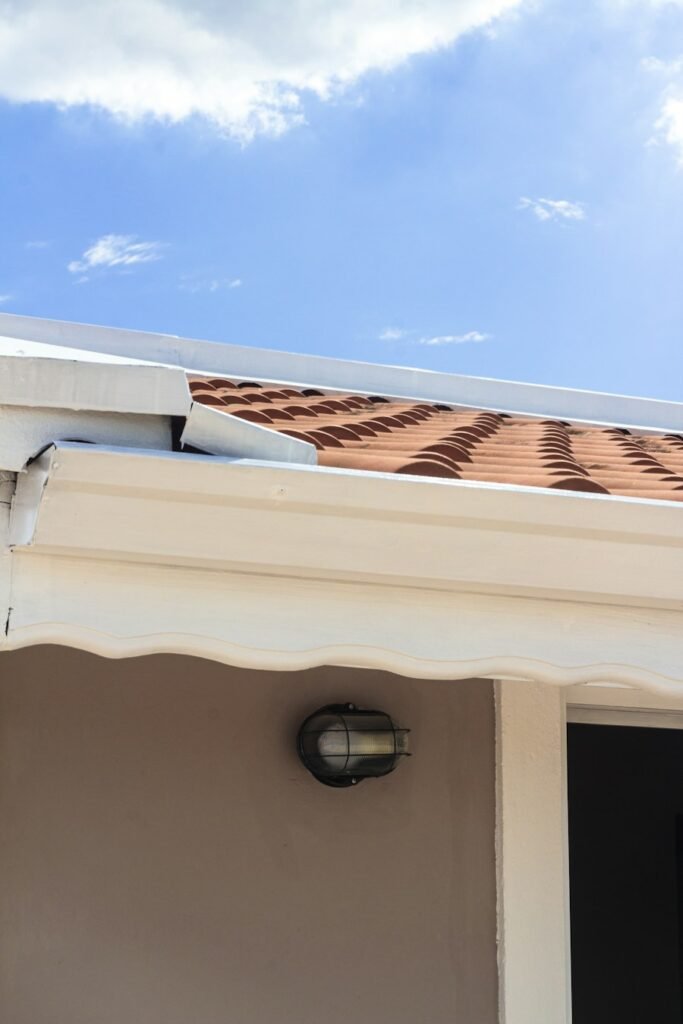
New Jersey roofs take freeze-thaw cycles, nor’easters, coastal wind, summer heat and heavy tree cover, and most damage starts small and out of sight. Regular inspections catch these NJ-specific wear patterns while they are still repairs.
Freeze-thaw in the northwest counties
In Sussex, Warren, Morris, Passaic and Hunterdon, roofs freeze and thaw dozens of times a winter. Water that gets into a cracked shingle, a loose nail hole or the mortar of a chimney crown expands as it freezes and widens the gap. By spring a hairline crack can be an open leak path, which is why spring inspections matter most in these hills.
Nor’easter season from October to April
Nor’easters bring sustained wind from the northeast and rain that blows sideways for hours. That combination drives water under step flashing, up through ridge vents and behind siding where it meets the roof. Inspecting in early fall, before the season starts, lets you fix weak flashing on a dry day instead of during a storm.
Coastal wind and salt air at the Shore
In Monmouth, Ocean, Atlantic and Cape May counties, salt air corrodes exposed nails, metal flashing and gutter hangers faster than inland. Wind off the ocean also works on shingle edges and ridge caps. Shore homes benefit from closer looks at fasteners, drip edge and any metal components, along with checks after every tropical system.
Summer heat, humidity and algae
Attic temperatures in a NJ July can bake shingles from below when ventilation is poor. That shortens shingle life and can void some manufacturer warranties. Humidity also feeds the algae that leaves black streaks on north-facing slopes. An inspection checks intake and exhaust venting and tells you whether streaks are cosmetic or a sign of deeper wear.
Tree cover in older suburbs
Mature oaks and maples in towns across Bergen, Essex, Morris and Somerset drop leaves, seed pods and branches. Debris packs valleys and gutters, holds moisture against shingles and backs water up under the eaves. Overhanging limbs also scrape granules off. Fall inspections focus on valleys, gutters and limbs that need trimming.
Older housing stock and past repairs
Much of New Jersey’s housing was built before 1980. Many homes carry a second layer of shingles, patched chimney flashing, tar-covered valleys or a skylight added decades ago. Each earlier repair is a place where materials meet and can fail. Inspections on these homes pay special attention to layers, old patches and mixed materials.
Tropical systems and summer storms
Tropical systems from June through November, like Sandy in 2012 and the remnants of Ida in 2021, showed how fast NJ roofs can take damage from wind and heavy rain. Strong summer thunderstorms add hail and downed limbs. A prompt inspection after these events documents damage for insurance before the next storm adds to it.
How we do it
How Does a Roof Inspection Work in NJ? Our Step-by-Step Process
A full roof inspection takes about one to two hours for a typical NJ home: a ground walk-around, the roof surface and flashings, the attic, the gutters, then a photo report and a plain-language review of your options. Here is exactly what we do.
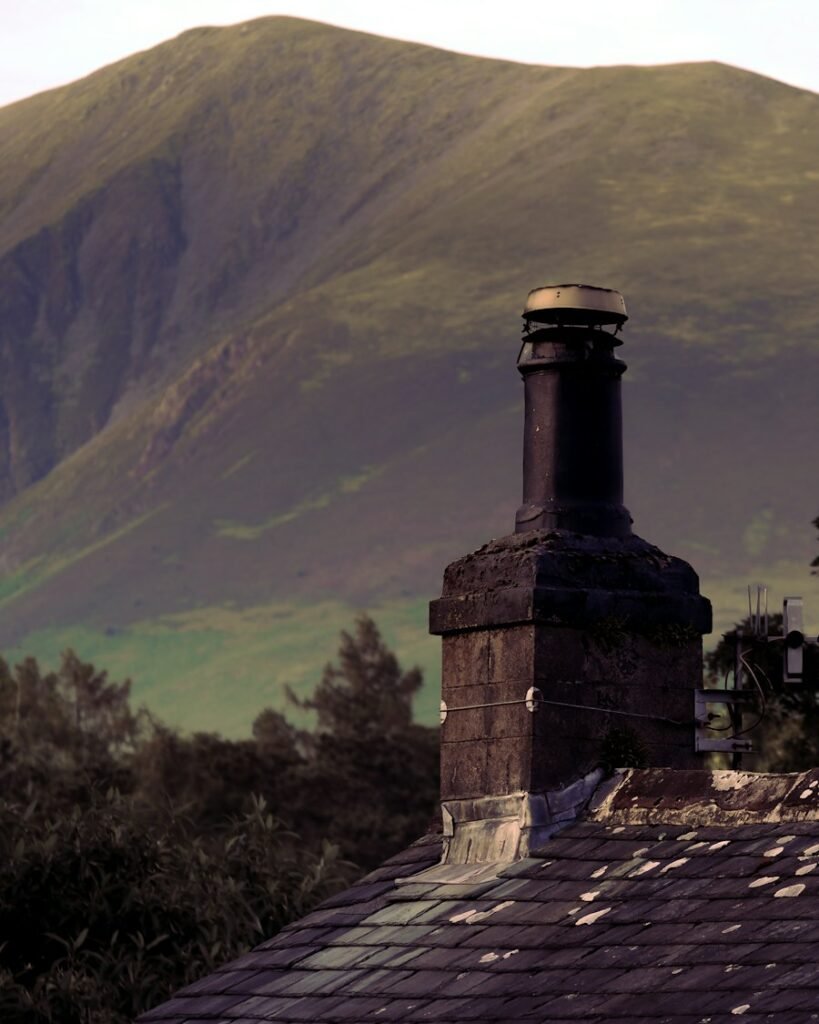
1. Book and tell us the history
When you send us a request online through our contact page, we ask what prompted the inspection, the approximate roof age, any past leaks or repairs, and whether this is for a sale, an insurance question or general planning. Receipts, old contracts or home inspection reports help us estimate age and target the right areas from the start.
2. Walk the property from the ground
We start at ground level. We look at roof lines for sagging, check the overall shingle pattern for missing or lifted tabs, note trees touching the roof, and look at gutters, downspouts, fascia and soffits. We also check exterior walls below roof-to-wall joints for staining, which often points to failed step flashing or kick-out flashing.
3. Inspect the roof surface up close
When the roof is safe to walk, we go up and check shingles or roofing material slope by slope: granule loss, cracking, curling, blistering, nail pops, soft spots underfoot and hail or wind marks. We count layers at the edge and look at the drip edge and starter course. On steep, slate or wet roofs we inspect from a ladder at the eaves and from the attic, or use a pole camera or a drone flown by an FAA-certified pilot where one is available instead.
4. Check every flashing and penetration
Most NJ leaks start at transitions, so we spend real time on them. We check chimney step and counter flashing, skylight curbs, plumbing pipe boots, exhaust vents, valleys, roof-to-wall joints and the ridge vent. We look for cracked rubber boots, lifted metal, missing kick-out flashing, failed caulk used where metal should be, and mortar gaps on the chimney.
5. Inspect the attic from inside
From the attic we look at the underside of the roof deck for water stains, dark or delaminating plywood, rusted nail tips and mold. We check insulation for compressed or wet spots, confirm bathroom and kitchen fans vent outside, and look at intake and exhaust ventilation. Frost on nails in winter or a musty smell in summer tells us moisture is trapped.
6. Check gutters and drainage
We check whether gutters are pitched toward downspouts, whether hangers are loose or rusted, whether water overshoots the gutter at valleys, and whether downspouts discharge away from the foundation. Granule buildup in gutters gives a good read on shingle wear. Poor drainage is a common cause of rotted fascia and eave leaks in NJ homes.
7. Build the photo report and life estimate
We organize photos by area: overview shots of each slope, close-ups of every defect with a note on what it is, attic photos and gutter photos. We add the roof material, approximate age, number of layers and our estimate of remaining life, with findings grouped into fix now, fix soon and monitor. You keep the report whether you hire us or not.
8. Review options and next steps
We walk you through the photos and explain what each finding means in plain terms. If work is needed, you get a written, itemized quote showing our legal name, address and NJ registration number, as state law requires for home improvement contracts. Your options are usually to repair, to maintain and monitor, or to plan a replacement on your schedule.
Pricing · updated November 2026
How Much Does a Roof Inspection Cost in NJ?
Our roof inspection is free for New Jersey homeowners considering repair. As of November 2026, paid standalone roof inspections in the U.S. typically run about $100 to $400, with drone, infrared and certification work priced separately. Real-estate inspections and signed letters may differ, and we tell you any fee before we schedule.
Homeowner inspection from Roof Repair SNJ
$0 (free)
Full roof, flashing, attic and gutter check with a photo report and remaining-life estimate, for homeowners considering repair or replacement. You get a written, itemized quote if work is needed, with no obligation to hire us.
Standalone paid roof inspection
$100 – $400
Typical national range for a paid visual inspection by a roofer or roof inspector, with a reported average near $280. Price rises with roof size, steepness, height and how detailed the written report is.
Drone roof inspection
$100 – $450
Aerial photos and video of every slope, useful for steep, tall or fragile roofs and quick storm documentation. A drone cannot lift shingles or feel for a soft deck, so it may be combined with spot checks.
Infrared moisture scan (low-slope roofs)
$400 – $600
Thermal imaging that finds wet insulation under flat or low-slope membranes, mostly on commercial buildings and larger flat roofs. It is usually followed by core cuts to confirm what the camera shows.
Roof certification letter
$75 – $200
Typical add-on fee on top of an inspection for a signed letter stating roof condition and estimated remaining life. Any repairs needed before a letter can be issued are priced separately.
General home inspection (whole house)
$250 – $400
A licensed home inspector’s review of the whole house, which includes a visual look at the roof covering, drainage, flashing, skylights and chimney exterior. Usually paid by the buyer during a purchase.
What moves the price
- Purpose of the inspection. A homeowner inspection tied to a possible repair is free from us. A transaction-timed inspection, a signed letter or a report formatted for a third party involves more documentation and may carry a fee.
- Roof size and number of slopes. A simple ranch with two planes takes far less time than a Victorian with turrets, dormers and six valleys. More slopes mean more photos and more flashing to check.
- Pitch and height. Steep roofs above roughly 8/12 and three-story homes need extra safety equipment, roof jacks or a different inspection method, which adds time.
- Roof material. Slate, tile and old cedar need careful footwork or a no-walk method. Flat roofs may call for moisture scans and core samples.
- Attic access. A pull-down stair is quick. A scuttle hole in a closet, a floored attic packed with storage or a cathedral ceiling with no attic limits what can be seen and changes the approach.
- Method used. Walking, a ladder at the eaves, a pole camera, a drone or infrared each carry different costs. Many roofs need two methods.
- Report detail. A quick verbal summary costs less to produce than a full photo report with measurements, a life estimate and a priority list.
- Timing. Inspections booked the week after a major nor’easter or tropical storm may wait longer, since demand spikes across the state.
Paid inspection, drone, infrared, certification and home inspection ranges come from HomeGuide’s roof inspection cost guide and reflect national pricing; NJ prices can sit at the higher end. Repair and replacement figures referenced on this page come from the Roof Observations NJ cost guide (January 2026) and Fixr (2026). All figures are planning ranges as of November 2026, not quotes. Your written quote after inspection is the only number to rely on.
Methods & materials
What Does a NJ Roof Inspection Check, and What Happens After?
A complete NJ roof inspection checks the roof covering, flashings, penetrations, deck, attic and drainage, estimates remaining life by material, and ends with a clear choice: repair, maintain or plan replacement. The tabs below cover the checklist, lifespans, inspection methods and what comes next.
A full inspection covers three zones: the roof itself, the attic underneath it and the drainage system at its edges. Skipping any one of them is how leaks get misdiagnosed.
On the roof
- Shingles or roofing material: missing, cracked, curled, cupped, blistered or creased tabs, and granule loss down to the black mat.
- Fasteners: nail pops, exposed nails and nails driven too high, which let shingles lift in wind.
- Edges: drip edge present and fastened, starter strip in place, no rot at the first course.
- Valleys: open metal or woven shingle valleys checked for wear, debris and cracked tar patches.
- Flashing: chimney step and counter flashing, skylight flashing kits, roof-to-wall step flashing and kick-out flashing where a roof edge dies into a wall.
- Penetrations: plumbing pipe boots, bath and kitchen exhaust caps, gas flues and satellite or solar mounts.
- Ridge and hips: ridge caps cracked or missing, ridge vent secured and not crushed.
- Chimney: crown cracks, missing mortar, cap and spark screen, and whether a cricket is needed behind wide chimneys.
- Deck: soft or spongy areas underfoot that point to rotted sheathing.
In the attic
- Water stains, dark or delaminating sheathing and rusted nail tips.
- Daylight showing around penetrations or at the ridge where it should not.
- Insulation depth and wet or compressed spots.
- Intake vents at the soffits clear of insulation, and exhaust at the ridge or gables working.
- Bath and kitchen fans ducted outside instead of into the attic.
- Mold, frost on nails in winter or a musty smell.
At the gutters and edges
- Gutter pitch, loose or rusted hangers and open seams.
- Granule buildup and debris load.
- Downspouts discharging away from the foundation.
- Fascia and soffit rot, and signs of ice damming at the eaves.
If you have had leaks, we compare attic findings to the roof surface directly above. That pairing is what turns a stain into a precise repair. See our roof leak repair page for how we trace active leaks.
Roofers estimate remaining life by combining the roof’s age with how worn it actually looks, then adjusting for the material, the exposure and the attic. Age alone is not enough, and in New Jersey age is often a guess.
Here is why. Since March 5, 2018, re-roofing a detached one- or two-family home in NJ is ordinary maintenance under N.J.A.C. 5:23-2.7 and needs no permit, so town records may not show when your current roof went on. We look for receipts, manufacturer wrappers in the attic, shingle style and the number of layers at the edge.
Typical service life ranges (general industry experience; actual life depends on installation, ventilation and exposure):
- 3-tab asphalt shingles: about 15 to 20 years.
- Architectural (dimensional) shingles: about 20 to 30 years.
- Standing-seam metal: often 40 years or more, with fasteners and sealant the usual weak points on screw-down panels.
- Natural slate: many decades and often far beyond a century for hard slate; soft slate and failed flashing or nails end its life sooner.
- Cedar shakes and shingles: about 20 to 30 years, shorter on shaded, damp slopes.
- EPDM, TPO and modified bitumen flat roofs: commonly 15 to 30 years depending on product, thickness and drainage.
What moves the estimate up or down
- Granule loss exposing the mat, cracking and curling shorten the estimate quickly.
- A hot, poorly vented attic ages shingles from below.
- South- and west-facing slopes in full sun wear faster than north slopes.
- Shore salt air shortens the life of metal fasteners and flashing.
- A second layer of shingles traps heat and usually shortens life of the top layer.
We give a range, such as three to six years, and say what would change it. That range is our professional opinion based on what we can see, which is how any honest estimate works.
Walking the roof gives the most information, but it is not always safe or wise; ground, ladder, pole-camera and drone methods fill the gap when footing, pitch or material make walking the wrong call. The right inspector picks the method for the roof, and tells you which method was used.
Walking the roof lets an inspector feel soft decking, lift a shingle tab to check the seal and nails, press on a pipe boot and look straight into a valley. It is the best choice for most asphalt roofs at moderate pitch on a dry day.
When walking is the wrong call
- Slate and clay tile, which can crack under foot traffic.
- Very steep roofs without proper roof anchors.
- Wet, icy or frost-covered roofs, common in NJ from November through March.
- Roofs so deteriorated that the deck may not hold weight.
Ground and ladder inspections use binoculars, a ladder set at the eaves and a camera on an extendable pole. They work well for one-story homes, quick storm checks and slate roofs where we can reach most details from the edge.
Drone inspections capture high-resolution photos of every slope without anyone on the roof. They are useful for tall, steep or fragile roofs and for fast storm documentation. Commercial drone flights in the U.S. require the pilot to hold an FAA Part 107 Remote Pilot Certificate, so ask any company that flies one to confirm it. Drones do not fly well in rain or high wind, and they cannot lift a shingle, check underlayment or feel a soft deck. Many good inspections combine aerial photos with hands-on spot checks.
Infrared is mainly a flat-roof tool. It finds wet insulation under membranes and is confirmed with small core samples.
Whatever the method, the attic inspection from inside is the same, and it often answers questions the exterior cannot.
Most problems an inspection finds are repairable: replacing damaged shingles, renewing flashing, swapping pipe boots, resealing or rebuilding chimney details, and fixing rotted deck sections. Here is how we typically fix what we find, with typical NJ planning ranges.
- Damaged or missing shingles ($350 to $800 for a few). We break the seal on surrounding shingles, remove the damaged ones and nails, slide in matching shingles, nail them in the correct nailing zone and reseal. On older roofs we note color match honestly.
- Pipe boots and vent flashing ($250 to $600). Cracked rubber collars are one of the most common leaks in NJ. We replace the whole boot and weave it into the shingle courses instead of smearing sealant on the old one.
- Chimney re-flashing ($600 to $1,800). We replace step flashing that runs under each shingle course and cut new counter flashing into the mortar joints. Wide chimneys get a cricket behind them to divert water.
- Skylight re-flashing ($400 to $1,200). We install a proper flashing kit and ice and water shield around the curb. Old skylights with failed seals may be better replaced at the same time.
- Valley repair ($500 to $1,500). We remove worn shingles and tar patches, install ice and water shield and either open metal or a closed-cut valley.
- Rotted deck sections ($500 to $2,000+). We cut out soft sheathing back to sound rafters and install new plywood or OSB, then re-shingle the area.
- Flat roof seams and patches ($400 to $2,500). EPDM, TPO and modified bitumen get primer and compatible patch materials, never generic roof cement over a seam.
- Slate repair ($500 to $2,500+). We replace broken slates with matching salvaged or new slate held by copper or stainless hooks or strips.
Repairs come with dated before-and-after photos so you have a record. Prices depend on access, material and how much hidden damage is found once work starts. For wind and hail damage, see storm damage roof repair.
When an inspection shows a roof near the end of its life, the report becomes your replacement plan: what system to install, what deck work to expect, and when to schedule it. Planning ahead keeps you out of emergency pricing and lets you pick your season.
What a proper NJ replacement includes
- Tear-off to the deck. We recommend removing old layers so the deck can be inspected. NJ code allows at most two layers, and a third layer requires a permit and is generally not allowed.
- Deck repair. Soft or delaminated sheathing is replaced. Replacing roof sheathing requires a permit under N.J.A.C. 5:23-2.7, which we pull when needed.
- Ice and water shield. Self-adhered membrane at eaves, valleys and around chimneys and skylights. It matters most in the freeze-thaw counties of northwest NJ.
- Underlayment. Synthetic underlayment over the rest of the deck as a second line of defense.
- Drip edge and starter strip. Metal drip edge at eaves and rakes, and a starter course so the first row of shingles seals properly.
- New flashing. Step, counter, kick-out and pipe boots replaced, not reused.
- Balanced ventilation. Intake at the soffits matched with exhaust at the ridge, which protects shingles and limits ice dams.
- Shingles or metal installed to the manufacturer’s instructions, so the manufacturer warranty applies.
Typical NJ costs. Fixr puts a typical NJ replacement at $8,500 to $17,000, about $13,500 for roughly 1,700 square feet. Roof Observations’ NJ guide lists architectural shingles around $7.95 per square foot installed with tear-off, standing-seam steel at $16.45 to $20.50 and slate at $31.00 to $40.35.
An inspection lets you replace in spring or fall on your terms instead of in January after a leak. See roof replacement and the roof repair cost guide for details.
Repair when damage is limited to a few areas and the roof has years of life left; plan replacement when wear is widespread, leaks keep returning, or repairs would cost a large share of a new roof. The inspection gives you the facts to make that call.
Repair usually makes sense when
- The roof is under about two-thirds of its typical life and shingles still flex without cracking.
- Damage is local: one slope after wind, a pipe boot, a chimney or a skylight.
- The deck is solid except for a small soft area.
- Matching shingles are available or the repair is on a less visible slope.
Replacement usually makes sense when
- Granule loss, curling or cracking shows across most slopes.
- You have had leaks in several places, or the same area keeps failing after repair.
- There are already two layers, so any major work means tear-off anyway.
- Deck rot is spread across several sections.
- Your insurer is pressing on roof age and repairs will not change the age answer.
The middle ground: repair now, replace on a plan. Many NJ homeowners have a roof with three to five years left and one active problem. In that case we fix the leak, document the rest and set a target replacement season so you can budget and compare quotes calmly.
A simple cost test. If the repairs we find add up to roughly a quarter or more of a replacement quote on a roof that is past mid-life, replacement often gives better value. That is a rule of thumb, not a rule, and we will show you both numbers side by side so you can decide.
We do not push replacement on a roof that has life left. If a repair keeps your roof going, that is what we recommend.
NJ rules
NJ Permits and Insurance for Roof Inspections
Permits
A roof inspection itself needs no permit in New Jersey. Whether the work it finds needs one depends on the scope. Under N.J.A.C. 5:23-2.7, since March 5, 2018, repairing or replacing the existing roof covering on a detached one- or two-family dwelling is ordinary maintenance, with no permit, inspection or notice required. A permit is required if the inspection leads to replacing roof sheathing or deck, rafter or truss repair, other structural work, a third layer of roofing, or any work on a building that is not a detached one- or two-family dwelling, such as attached townhomes, larger multi-family buildings and commercial property. Ordinary maintenance is still expected to meet code. Note one practical side effect for buyers: because most re-roofs no longer need permits, municipal records often cannot tell you a roof’s age, which makes a roofer’s age and condition estimate more useful. Any contractor doing the repairs should be registered with the NJ Division of Consumer Affairs, with a number starting 13VH that you can check at newjersey.mylicense.com.
Insurance
Homeowners insurance does not usually pay for routine inspections, but an inspection is often the first step in a claim. Policies usually cover sudden damage from wind, hail, falling trees and the weight of ice or snow, and usually exclude wear, age and neglect. A good inspection report separates the two: it shows creased or missing shingles, impact marks and broken flashing tied to a storm date, and notes general aging separately. To document a claim, take your own dated photos of the roof and any interior damage, keep receipts for emergency tarping, and ask for a report with overview and close-up photos of each damaged area. Your insurer will usually send its own adjuster, and we can meet the adjuster on site to point out what we found. Shore homeowners should check for separate wind or hurricane deductibles, which can be much higher than the standard deductible. Some carriers also ask for roof photos or condition letters at renewal on older roofs. Your policy and agent have the final word on coverage. See storm damage roof repair for the full claim process.
Who does the work
Why NJ Homeowners Choose Roof Repair SNJ for Roof Inspection
- Repairing NJ roofs for 25+ years
- General liability + workers’ comp insurance
- Workmanship warranty: 2 years on repairs, 10 years on full replacements, in writing
Check any NJ roofer before you sign
Ask for the 13VH registration number and confirm it on the NJ license lookup. NJ law requires a signed written contract showing the registration number and total price, and gives you until midnight of the third business day to cancel (N.J.S.A. 56:8-151).
In depth
Roof Inspection Questions NJ Homeowners, Buyers and Sellers Ask
Home inspection vs roof inspection when buying a house in NJ
A New Jersey home inspection is a broad, visual check of the whole house by a licensed home inspector; a roofer’s inspection goes deeper on the roof alone and estimates remaining life and repair costs. Buyers often need both.
NJ home inspectors are licensed by the state, complete a 180-hour approved course with field training, pass a national exam and carry errors and omissions insurance. Their standards of practice, N.J.A.C. 13:40-15.16, require them to inspect the roof surface, drainage, flashing, skylights and the chimney exterior. They may do this by walking the roof, from a ladder at the roof edge, with binoculars from the ground or with a drone, and the report must say which method was used.
The same rule also says home inspectors are not required to determine the life expectancy of any component, the cause of a condition or future failures. That is reasonable for a whole-house inspection, but it leaves buyers asking the question that matters most: how many years does this roof have, and what will it cost to fix?
A roofer’s inspection answers those questions. We look at each slope and flashing up close, check the attic, count layers, estimate remaining life and price any repairs or replacement in writing. If the home inspector wrote “recommend evaluation by a qualified roofing contractor,” this is that evaluation.
Tips for buyers
- Read the home inspection report first and note which method was used on the roof. Binoculars or a drone may have missed soft decking or lifted tabs.
- Book the roof inspection inside your attorney review or inspection contingency window.
- Ask for the report in writing with photos so your attorney and agent can use it in negotiations.
- Confirm the seller will allow attic access.
Should sellers get a roof inspection before listing?
Yes, if the roof is over 15 years old or has had leaks: a pre-listing inspection lets you fix small problems on your terms and avoid surprises from the buyer’s inspector.
When a buyer’s home inspector finds a roof issue, it usually lands in the middle of attorney review with a short deadline. The buyer asks for a credit, often based on a worst-case guess. You have little time to get your own quote, and the deal can stall.
A pre-listing roof inspection flips that order. You learn the roof’s condition, remaining life and any repair needs weeks before listing. You can then:
- Repair small items like a cracked pipe boot, a few missing shingles or loose chimney flashing, usually for a few hundred to a couple thousand dollars.
- Price the listing honestly if the roof is near the end of its life, instead of being negotiated down later.
- Hand buyers documentation: dated photos, the inspection report and receipts for repairs. Buyers and their inspectors tend to trust a roof more when the paperwork is in order.
Sellers should be honest on any disclosure forms about known leaks and repairs. A documented repair with photos and an invoice is far easier to explain than a fresh patch of paint over a ceiling stain, which inspectors and buyers notice.
Timing. Book four to six weeks before listing so there is time to schedule repairs. In winter, inspections can still happen from the ground, ladder and attic, though some details may need a dry day.
If replacement is the honest answer, a written quote helps you decide whether to replace before selling or offer a credit. Our roof replacement page explains what a full job involves.
What is a roof certification letter, and is it required in NJ?
A roof certification letter is a signed statement from a roofer or inspector describing the roof’s condition and estimating its remaining life; it is usually requested by a buyer, lender or insurer, and it is a professional opinion, not a warranty.
There is no single standard form. A typical letter includes:
- Property address and inspection date.
- Roof material, approximate age and number of layers.
- Condition of the covering, flashing and penetrations.
- Repairs made or still needed.
- An estimated remaining service life, often stated as a range of years.
- The issuer’s name, business information and signature, and for a contractor, the NJ registration number.
Is it legally required? We are not aware of a general New Jersey law requiring a roof certification to sell a home. Requests usually come from a lender, an insurer or the buyer’s side of a contract. If someone tells you a letter is required, ask who requires it and what it must say, then get that in writing so the letter meets the need.
What to check before relying on one
- How long the issuer stands behind the opinion. That is set by the issuer and the requesting party, so read it.
- Whether the letter includes any limited leak promise, and what it excludes, such as storms or later alterations.
- Whether repairs were required first and were actually done, with photos.
- That the inspection method is stated. A letter based on a ground view is weaker than one based on a walked roof and attic check.
Typical add-on fees are around $75 to $200 on top of an inspection, according to HomeGuide, and repairs needed before a letter can be issued are separate. Ask us when you book whether you need a letter, so we schedule the right visit.
Post-storm roof inspections for NJ insurance claims
Get a roof inspection as soon as it is safe after a storm with high wind, hail or fallen limbs, before filing or right after filing your claim, so damage is documented while it is fresh and clearly tied to the event.
Insurers look closely at whether damage is sudden and storm-related or long-term wear. Clear documentation makes that distinction obvious. A post-storm inspection report from us typically includes:
- The date of the inspection and the storm date you reported.
- Overview photos of each slope, then close-ups of creased, lifted or missing shingles, broken ridge caps, dented metal and damaged flashing.
- Photos of collateral damage that helps show storm force, such as dented gutters, downspouts and vents.
- Attic photos of any new water entry.
- Separate notes on pre-existing wear, so the claim is not mixed up with age-related issues.
What you should do right away
- Photograph interior damage and the roof from the ground with your phone.
- Stop active water entry. Emergency tarping is usually a reasonable cost to mitigate further damage; keep the receipt. See emergency roof repair.
- Read your policy for reporting deadlines and any separate wind or hurricane deductible, common on Shore policies.
- Do not sign a contract or an assignment with a door-to-door crew under pressure. NJ home improvement contracts must be in writing and include a three-business-day right to cancel.
When the adjuster comes, we can be there to walk through the photos and point out damage they might miss on a quick look. Coverage decisions are up to your insurer under your policy. Our storm damage roof repair page covers what happens next.
How often should you inspect a roof in New Jersey?
Plan on a professional inspection about once a year for roofs over 10 years old, and every two to three years for newer roofs, plus a check after any major storm. The National Roofing Contractors Association recommends scheduled roof inspections at least twice a year, preferably in spring and fall, along with checks after major storms. Homeowners can cover one of those with a careful ground look and gutter check.
A practical NJ schedule
- March to May, after winter. Look for freeze-thaw damage, shingles lifted by winter wind, ice-dam staining at the eaves and chimney mortar damage. This matters most in Sussex, Warren, Morris, Passaic and Hunterdon.
- September to early November, before nor’easter season. Clear valleys and gutters after leaf drop, check flashing and pipe boots, and fix weak spots before wind-driven rain starts.
- After any storm with damaging wind, hail or falling limbs. Including tropical systems from June through November and strong summer thunderstorms.
- Before buying, selling, refinancing or an insurance renewal that asks about the roof.
Adjust for your home
- Shore homes: add a check after every tropical system and look closely at metal fasteners and flashing for salt corrosion.
- Heavily wooded lots: inspect gutters and valleys twice each fall.
- Flat roofs and commercial buildings: inspect at least twice a year, since ponding and seam failures develop quietly. See commercial roofing.
- Roofs with past repairs: check those spots each year.
Keep every report in one folder. A history of dated inspections shows buyers and insurers the roof has been maintained.
What should a roof inspection photo report include?
A useful photo report shows every slope, labels every defect, explains what it means, and ends with a remaining-life estimate and a prioritized list of what to fix and when. If a report is a handful of unlabeled phone photos, it is hard to use for anything.
What our homeowner reports typically contain
- Property and roof summary: address, date, weather at inspection, inspection method, roof material, approximate age, number of layers and approximate size.
- Overview photos: each slope from the ground or roof so you can see the whole picture.
- Close-ups with captions: each issue photographed close enough to see, with a plain note such as “cracked rubber pipe boot, likely source of bathroom ceiling stain.”
- Flashing and penetrations: chimney, skylights, vents, pipe boots, valleys and roof-to-wall joints.
- Attic findings: stains, sheathing condition, insulation, ventilation and moisture signs.
- Gutters and drainage: pitch, granule load, hangers, downspouts and fascia.
- Priority list: fix now (active or likely leaks), fix soon (within a season or two) and monitor.
- Remaining-life estimate: a range of years with the reasons behind it.
- Itemized quote, if work is needed: separate from the report so you can compare contractors.
How to use it
- Buyers and sellers can share it with their attorneys and agents during negotiations.
- Insurance claims benefit from dated, captioned storm photos.
- Future roofers can see the history and compare changes.
The report is yours to keep, whether or not you hire us for the work.
What can you safely check yourself between inspections?
Homeowners can safely check a lot from the ground and the attic; leave climbing the roof to professionals with fall protection. Falls from roofs and ladders are a serious risk, and walking on a roof can damage shingles, especially in hot weather or on slate.
From the ground, with binoculars
- Missing, lifted or crooked shingles, especially along ridges and edges after wind.
- Exposed nails or bare spots where granules are gone.
- Flashing pulled away from the chimney or walls.
- Sagging roof lines or wavy areas that could mean deck problems.
- Tree limbs touching or hanging over the roof.
At the gutters
- Heavy granule piles at downspout outlets.
- Gutters pulling away from fascia or overflowing in rain.
- Downspouts dumping water next to the foundation.
In the attic, with a flashlight
- Water stains, damp insulation or dark spots on the sheathing, best checked during or right after rain.
- Daylight around pipes or chimneys.
- Frost on nail tips on cold mornings, which means warm moist air is reaching the roof deck.
- Bath fan ducts that end in the attic instead of outside.
Inside the house
- New ceiling stains, especially near chimneys, skylights and exterior walls.
- Peeling paint or swollen trim below roof-to-wall joints.
If you spot any of these, take dated photos and ask for a professional attic and roof check. A small finding caught early usually means a smaller repair. Gutter issues may be covered on our gutter repair page.
How to choose a roof inspector in New Jersey
Choose a registered NJ contractor or licensed inspector who checks the attic as well as the roof, gives you a written photo report you keep, and tells you plainly when a repair is enough.
Questions to ask before you book
- Are you registered? NJ home improvement contractors must register with the Division of Consumer Affairs and carry a registration number starting with 13VH, which requires at least $500,000 of commercial general liability insurance. Look it up at newjersey.mylicense.com/verification. Licensed home inspectors are also listed with the state.
- Do you check the attic? An exterior-only inspection misses moisture, ventilation and deck problems.
- What method will you use on my roof? The answer should fit your material and pitch. If a drone is used, ask whether the pilot holds an FAA Part 107 certificate.
- What does the report include? Ask for a sample or a description: overview photos, captioned close-ups, a life estimate and priorities.
- Is there a fee, and does it change for a certification letter or a real-estate deadline? Get any fee in writing before the visit.
Red flags
- Door-to-door crews after storms pushing you to sign immediately or hand over your insurance claim.
- An inspector who climbs up alone and comes down with damage claims but no photos.
- Pressure to replace a roof that, by their own photos, has only one problem area.
- No written, itemized quote. NJ law requires home improvement contracts to be written and signed, list the contractor’s legal name, address and registration number and the total price, include proof of liability insurance, and give you three business days to cancel.
A good inspector earns your trust by showing you what they saw. You can book a roof inspection with a photo report online.
Service areas
Roof Inspection Across New Jersey
We provide roof inspection in all 21 New Jersey counties. Find your county and town on our New Jersey service locations page for local roof types, permit notes and prices.
FAQ
Roof Inspection in NJ: Frequently Asked Questions
How much does a roof inspection cost in NJ?
Roof Repair SNJ inspects homes free for New Jersey homeowners considering repair, including a photo report. Paid standalone roof inspections in the U.S. typically run about $100 to $400, drone inspections $100 to $450 and infrared scans $400 to $600. Real-estate inspections and certification letters may carry a fee, which we state before booking.
How long does a roof inspection take?
Most roof inspections on New Jersey single-family homes take about one to two hours. That covers the ground walk-around, the roof surface and flashings, the attic and the gutters. Large, steep or complex roofs, slate roofs and homes with difficult attic access take longer. Writing up the photo report adds time after the visit.
Do I need to be home for a roof inspection?
Being home is helpful but not always required. We need access to the attic for a complete inspection, so someone usually has to let us in for that part. If you cannot be there, we can inspect the exterior, then send you the photo report, answer your questions through our contact page and schedule an attic check separately.
Is a home inspection enough when buying a house in NJ?
Often not for the roof. NJ home inspectors may view the roof from the ground, a ladder or a drone, and their standards do not require them to estimate remaining life. A roofer’s inspection checks the roof and attic up close, estimates remaining life and prices repairs, which helps buyers negotiate with real numbers.
What is a roof certification, and does New Jersey require one?
A roof certification is a signed letter describing a roof’s condition and estimated remaining life. It is a professional opinion, not a warranty. We are not aware of a general NJ law requiring one to sell a home; requests usually come from lenders, insurers or buyers. Ask who needs it and what it must include.
Can a roof be inspected in winter in New Jersey?
Yes. Attic inspections work well in winter because frost on nails and moisture problems are easy to see. Snow, ice or frost can make walking the roof unsafe, so we may use ground, ladder or camera methods instead and come back on a dry day to check anything the conditions hid.
Are drone roof inspections as good as walking the roof?
Drones are good for photographing steep, tall or fragile roofs without anyone on them. They cannot lift a shingle, check underlayment or feel a soft deck, and they do not fly well in rain or high wind. The most reliable inspections pair aerial or ground photos with hands-on checks where needed.
How often should I have my roof inspected in NJ?
Plan on a professional inspection about once a year for roofs over 10 years old and every two to three years for newer roofs. Add a check after any storm with damaging wind or hail. The National Roofing Contractors Association recommends inspections twice a year, preferably in spring and fall.
Will my insurance pay for a roof inspection?
Insurers usually do not pay for routine inspections, and they often send their own adjuster after a claim. A contractor’s inspection after a storm helps you document damage for your claim. Policies generally cover sudden storm damage and exclude wear and age. Your policy and agent decide what is covered.
What happens after a roof inspection?
You receive a photo report with findings grouped as fix now, fix soon and monitor, plus a remaining-life estimate. If work is needed, you get a written, itemized quote. Your options are usually to repair the problem, maintain and monitor the roof, or plan a replacement on your own schedule.
Reviewed by the Roof Repair SNJ team · Last updated November 2026
Maintenance
Related maintenance services
Roof Inspection is part of our maintenance services. See every service on our roof repair NJ homepage.
Free inspection
Book a Free Roof Inspection in NJ
Request a free roof inspection in New Jersey to schedule a visit anywhere in the state. We check the roof, attic and gutters, give you a photo report and a remaining-life estimate, and put any recommended work in a written, itemized quote. For an active leak or storm damage, send an emergency roof request any time; our 24/7 emergency service handles requests around the clock.
No pressure and no obligation: the report is yours to keep.
No pressure and no obligation. If a repair will do, we’ll tell you.
Roof Repair SNJ
- Serving all 21 NJ counties
- Send a roof inspection request
- Mon–Fri 5:00 AM–10:00 PM · Sat 5:00 AM–6:00 PM · Emergencies 24/7
Sources: N.J.A.C. 5:23-2.7, Ordinary maintenance (Cornell LII) · N.J.A.C. 13:40-15.16, Home inspector standards of practice (Cornell LII) · NJ Division of Consumer Affairs, Home Inspection Advisory Committee FAQ · AHIT, What home inspectors don’t have to do · Professional Roofing (NRCA), A new resource for consumers · HomeGuide, Roof inspection cost · Drone Launch Academy, Drone roof inspection guide (FAA Part 107) · Roof Observations, New Jersey roof cost guide (Jan 2026) · Fixr, Roof replacement cost in New Jersey (2026) · N.J.S.A. 56:8-151, Contractors’ Registration Act contract requirements (Justia) · NJ Division of Consumer Affairs license verification. Prices are planning ranges, not quotes. Permit and insurance information is general guidance; your town, policy and agent have the final word.