
Roof Repair NJ › NJ Locations › Burlington County
Evesham · Mount Laurel · Willingboro · 40 towns
Roof Repair in Burlington County, NJ
Roof Repair SNJ fixes leaks, storm damage and worn roofs across all 40 Burlington County towns, from Willingboro and Mount Laurel to Medford, Mount Holly and the Pinelands townships. Every visit starts with a free inspection, dated photos of what we found and a written, itemized quote. Request a free roof inspection in Burlington County and we will schedule the visit.
- Free inspection with dated roof photos
- Written, itemized quote before any work
- 2-year repair warranty in writing
Free roof inspection in Burlington County
Photos of every problem we find and an itemized written price before any work. Emergency requests handled 24/7.
Roof Repair SNJ
40 Burlington County towns · all 21 NJ counties
Free inspection
Roof, attic and gutters checked at no cost.
Insured
Liability and workers’ comp; certificate on request.
Written quotes
Itemized price in writing before any work.
Photo-documented
Every problem photographed, before and after.
Burlington County at a glance
Burlington County at a Glance: What Shapes Its Roofs
Burlington County is the largest county in New Jersey by land area, and its roofs range from 1700s river-town houses to 1958 Levitt capes, Route 73 townhomes and cedar log cabins in the pines. The median home here was built around 1977, so a large share of houses are on their second or third roof.
Land area
798.54 sq mi
Largest county in New Jersey by land area per the Rutgers NJ Data Book, so drive times between Riverton and Bass River can exceed an hour.
Municipalities
40 towns
461,860 residents in the 2020 Census municipal totals, led by Evesham, Mount Laurel and Willingboro, each above 30,000 people.
County seat
Mount Holly
A township of 9,981 residents whose historic district ordinance spells out which roof replacements need commission review and which can be approved administratively.
Housing units
187,321
Census ACS 2024 one-year estimate. Median owner-occupied home value was $383,500, about three-quarters of the New Jersey median.
Median year built
1977
Census ACS 2023 five-year data via Stacker ranks Burlington 16th oldest of 21 NJ counties, younger than Camden but older than Gloucester.
Pinelands towns
14 municipalities
The Pinelands Commission lists 14 Burlington towns with land in the Pinelands Area, including Tabernacle, Shamong, Woodland, Medford Lakes and Washington Township.
Homes & roofs
What Kinds of Homes and Roofs Does Burlington County Have?
Burlington County has four distinct roof markets: Delaware River towns with 18th and 19th century houses, postwar tract homes in Willingboro and Maple Shade, 1970s to 2000s subdivisions and townhomes along Routes 70 and 73, and wooded Pinelands lots. Each fails in its own way, so we inspect with the house type in mind.
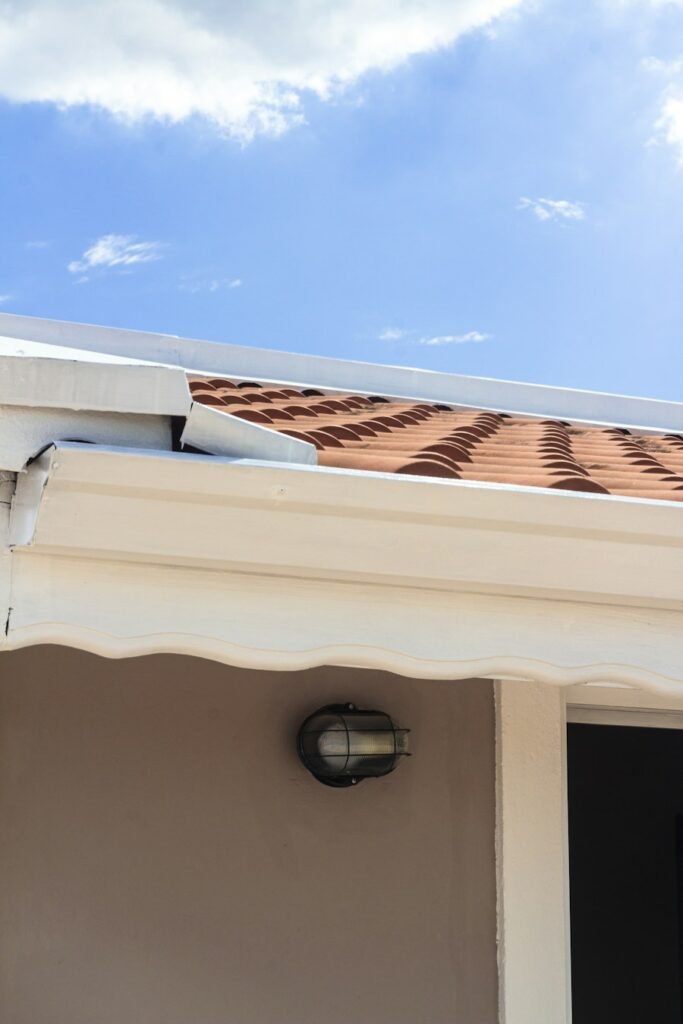
Willingboro Levitt capes and colonials
Levitt and Sons sold the first Willingboro home in June 1958 and built about 11,000 houses on roughly 90 percent of the township, mixing Cape Cod and Colonial models on the same streets. Many of these roofs are now on their third covering. We often find original plank or thin plywood decking, small gable vents that trap attic heat, and dormer step flashing that was caulked over during an earlier reroof instead of replaced.
Marlton and Mount Laurel subdivisions and townhomes
Evesham and Mount Laurel grew through the 1960s to the 2000s with split-levels, two-story colonials and large townhome and condo associations such as those in Kings Grant and Ramblewood. Typical issues are cut valleys over garages, builder-grade pipe boots cracking at 15 to 20 years, and ridge vents that were never matched with soffit intake. Attached units add HOA approvals and, under state rules, a construction permit.
Delaware River towns
Burlington City, Beverly, Riverside, Delanco, Riverton, Palmyra and Bordentown City hold some of the oldest housing in South Jersey: brick and frame row houses, Italianate and Victorian twins, and porch roofs in standing seam or flat membrane. Built-in box gutters, flat rear kitchen additions, slate main roofs and party-wall flashing between twins are the common leak points, and several of these blocks sit in mapped Delaware River flood zones.
Mount Holly and the historic cores
Mount Holly’s historic district, Burlington City’s district and Moorestown’s Main Street corridor have Federal, Georgian and Victorian houses with slate, cedar and standing-seam metal. Mount Holly’s ordinance exempts same-material repairs from commission review and lets staff approve architectural shingles on some listed buildings. Here we document existing materials with photos before any quote so a homeowner can show the commission exactly what will change.
Moorestown, Cinnaminson and Medford estates
Larger colonials and custom homes from the 1980s to 2000s in Moorestown, Cinnaminson, Medford and Mount Laurel’s Laurel Creek area carry steep, cut-up rooflines with multiple valleys, skylights, chimneys and cedar or designer shingles. Leaks usually start where a second-story wall meets a lower roof. Kick-out flashing at the eave end of those walls is often missing, which sends water behind siding and into first-floor ceilings.
Pinelands ranches and lake communities
In Tabernacle, Shamong, Southampton, Woodland and Pemberton Township, ranches and capes sit under pitch pine and oak on sandy lots. Needles pack valleys and gutters, shade keeps north slopes damp enough for moss and algae, and long distances between houses mean a tree-fall leak can go unnoticed for days. Many of these homes are on wells and septic, so we keep tear-off debris off drain fields.
Medford Lakes log cabins
Medford Lakes was laid out by a development company formed in 1927, and more than 10 percent of its homes are log cabins built from imported cedar logs. Cabin roofs meet round logs instead of flat sheathing, so standard step flashing does not seat properly. Low eaves, heavy shade from the lake woods and chimneys built through log walls call for hand-formed metal and careful sealing where shingles meet wood.
Homes around Joint Base McGuire-Dix-Lakehurst
The joint base covers about 42,000 acres across Wrightstown, New Hanover, North Hanover, Pemberton and Springfield plus three Ocean County towns. Off-base housing in these towns runs from 1950s capes to newer townhome and rental communities. Owners and landlords here often need a fast, photo-documented roof condition report when a home changes hands, and we write those up in plain language.
Burlington County weather
How Does Burlington County Weather Damage Roofs?
Burlington County roofs take three kinds of punishment: summer thunderstorms and tornadoes along the Delaware, heavy rain that overwhelms gutters, and Pine Barrens cold that swings wide between day and night. The events below are documented by the National Weather Service, USGS and the state climatologist.
July 12-13, 2004: the Rancocas flood
USGS documented more than six inches of rain on average across the Rancocas Creek, Cooper River and Pennsauken Creek basins in Burlington and Camden counties, with 45 dams topped, damaged or failed. A federal disaster declaration followed on July 16. Rain that heavy overruns 5-inch gutters, backs water under the first shingle course and finds every weak pipe boot. It is a good reminder to size gutters and downspouts for cloudbursts.
September 1, 2021: Ida’s Burlington Township tornado
During Ida’s remnants, the National Weather Service confirmed an EF1 tornado with 90 mph peak winds that touched down about two miles southwest of Burlington at 6:59 PM and crossed into Bristol, Pennsylvania. Damage centered in Burlington Township, where nearly thirty trees were uprooted or snapped on Beverly Road. Tree impacts like these crack rafters and sheathing, which turns a shingle job into permitted structural work.
June 29-30, 2012: the derecho
The June 2012 derecho crossed southern New Jersey with peak gusts near 90 mph across the region, taking down trees and power lines; hundreds of thousands of customers lost power and some waited a week. In wooded Burlington towns like Medford and Shamong, derecho damage is mostly limbs through roofs and lifted shingle tabs along rakes and ridges, which may not leak until the next heavy rain.
January 23-24, 2016: the blizzard
The state climatologist’s office recorded 10.5 to 22.2 inches of snow across Burlington County in the January 2016 blizzard. Deep, wind-packed snow loads low-slope porch and addition roofs in the river towns, and melt that refreezes at cold eaves forms ice dams on the uninsulated capes of Willingboro and Maple Shade. Ice and water shield at the eaves is the long-term fix.
Pine Barrens cold nights and wide swings
The state climatologist notes that clear nights in the Pine Barrens zone produce surprisingly low minimum temperatures and wider daily temperature swings than elsewhere in New Jersey. For roofs in Tabernacle, Woodland and Pemberton Township, that means more frost on the underside of the deck, more attic condensation in poorly vented houses, and more expansion and contraction stress on flashing sealants and nail heads.
Dry sandy ground and wildfire exposure
Pine Barrens soils drain fast and leave surfaces dry, which the climatologist ties to the area’s vulnerability to forest fires. Dry needles collecting in valleys and gutters are fuel sitting on the roof. For homes along Route 206, Route 72 and the Wharton State Forest edge, regular gutter and valley cleaning and metal drip edge with no gaps are simple steps that also prevent water damage.
Roofing services
Roof Repair Services We Provide in Burlington County
We provide all 12 of our roofing services in every Burlington County town, adjusted for the housing in each area. A Willingboro cape, a Marlton townhome and a Medford Lakes cabin need different repairs, so each card below says how the service applies here. Most jobs start with a roof inspection in Burlington County.
Roof Leak Repair in Burlington County
Leaks in Burlington County most often trace to dormer step flashing on Willingboro capes, cracked pipe boots on 1980s Marlton colonials and missing kick-out flashing on Moorestown two-stories. We trace water from the attic side, photograph the entry point and fix the source instead of caulking the stain.
Emergency Roof Repair in Burlington County
After a tree comes through a roof in Shamong or Medford, or wind peels a section off a Burlington Township ranch, send an emergency request through our contact page any time. We tarp and secure the opening, photograph everything for the insurer and schedule the permanent repair.
Storm Damage Roof Repair in Burlington County
Burlington County storms range from the 2021 EF1 in Burlington Township to derecho-driven limbs in the pines. We document lifted tabs, creased shingles, bent flashing and cracked decking with dated photos, and separate fresh storm damage from age wear so your claim describes what the storm actually did.
Roof Replacement in Burlington County
Many Willingboro, Maple Shade and Edgewater Park homes already carry two layers, the state maximum. Replacement there means full tear-off, deck repair where planks have gapped, ice and water shield at eaves and valleys, and balanced attic ventilation. Full replacements carry our 10-year workmanship warranty in writing.
Roof Inspection in Burlington County
Our free inspections cover shingles, flashing, attic, ventilation and gutters, with photos you can keep. In Burlington County we add checks that matter locally: needle-packed valleys in Pinelands towns, two-layer counts on postwar capes and box gutters on river-town houses in Burlington City and Beverly.
Flat Roof Repair in Burlington County
Flat and low-slope roofs are common on rear additions in Burlington City, Riverside and Palmyra, on porch roofs across the river towns and on townhome connectors in Mount Laurel. We repair modified bitumen, EPDM and TPO seams, rebuild failed flashing at walls and keep scuppers draining.
Metal Roof Repair in Burlington County
Standing-seam porch roofs in Bordentown City and Mount Holly, metal barns in Chesterfield and Springfield, and newer metal roofs on Pinelands homes all need different care. We re-secure loose panels, replace failed sealant at seams and fasteners, and match profiles as closely as the existing system allows.
Slate Roof Repair in Burlington County
Slate survives on older houses in Burlington City, Mount Holly, Moorestown and Bordentown City. We replace broken slates with matching stock, re-flash chimneys and valleys in copper or compatible metal, and avoid walking practices that crack more slate than they fix, keeping historic-district rules in mind.
Shingle Roof Repair in Burlington County
Asphalt shingles cover most of the county, from Levitt capes to Marlton townhomes. We replace wind-lifted and creased shingles, reseal tabs, fix nail pops and match color as closely as current product lines allow. On older 3-tab roofs we tell you honestly when repair money is better saved for replacement.
Roof Cleaning in Burlington County
North-facing slopes under pine and oak in Medford, Medford Lakes, Tabernacle and Southampton grow algae and moss quickly. We use low-pressure, shingle-safe cleaning, clear needles from valleys and can add zinc or copper strips near the ridge to slow regrowth without damaging granules.
Gutter Repair in Burlington County
Burlington County gutters fill with pine needles in the Pinelands and oak leaves in Moorestown and Cinnaminson. We repair sagging runs, re-flash the roof-to-gutter edge with drip edge, reline built-in box gutters on river-town houses and resize downspouts for cloudbursts like the July 2004 storm.
Commercial Roofing in Burlington County
Commercial roofs along Route 38, Route 73 and Route 130, plus warehouses near the New Jersey Turnpike in Florence, Burlington Township and Mount Laurel, mostly carry TPO, EPDM or modified bitumen. We handle leak tracing, seam and flashing repair, drain and scupper work and written condition reports for owners.
Burlington County rules
Burlington County Roofing Permits, Pinelands Rules and Historic Districts
Permits & local review
Replacing the roof covering on a detached one- or two-family house in Burlington County needs no construction permit, because New Jersey treats it as ordinary maintenance under N.J.A.C. 5:23-2.7. A permit from your town’s construction office is required for sheathing or rafter replacement, any attached townhome or condo (common in Mount Laurel, Evesham and Burlington Township), larger multi-family and commercial buildings, and any third roof layer.
Burlington adds two local layers. First, Pinelands rules: the Pinelands Commission lists 14 Burlington towns with Pinelands Area land. Under N.J.A.C. 7:50-4.1, improving a single-family dwelling or its accessory structures is not development needing a Pinelands application, except on Commission-designated historic resources. Second, historic review: Mount Holly’s ordinance exempts same-material repairs, Burlington City’s commission lists roofing among exterior alterations it reviews, and Moorestown created a commission in 2025. In Delaware River flood zones, storm repairs above half the building’s value can trigger FEMA substantial-damage rules. HOA approval is separate from all of this.
Insurance claims
Most Burlington County roof claims are tree and wind claims, and homeowners policies usually cover that sudden damage while excluding wear and age. Inland Burlington policies rarely carry the separate hurricane deductibles common on the Ocean County shore, though you should confirm yours. For a tree-fall in a wooded Medford or Shamong lot, photograph the tree on the roof before removal, keep the tree service invoice and save any tarp receipt. Flood damage from overflowing creeks, as in July 2004, is a flood-policy matter, while rain entering through a wind-damaged roof is usually a homeowners matter. That distinction matters in Lumberton, Mount Holly and the river towns. We provide dated photos and a written scope of storm-related damage; your policy and adjuster have the final word on coverage.
Pricing · updated November 2026
How Much Does Roof Repair Cost in Burlington County?
As of November 2026, most Burlington County roof repairs fall between $350 and $1,800, while a full replacement on a typical New Jersey home runs about $8,500 to $17,000. Price depends on access, roof pitch, material and how much hidden deck damage we find. Read our roof repair cost guide for more detail.
Shingle and nail-pop repair
$350 – $800
Replacing a few wind-lifted or creased shingles and resealing tabs, the most common call after a summer storm on Willingboro capes and Marlton colonials. Includes color matching and photos.
Pipe boot and vent flashing
$250 – $600
Replacing cracked rubber boots and vent flashing, a frequent fix on 1980s and 1990s subdivisions in Mount Laurel, Evesham and Medford where builder boots are reaching the end of their life.
Single-source leak repair
$400 – $1,500
Tracing and fixing one leak, such as dormer step flashing in Willingboro or a missing kick-out on a Moorestown two-story, including minor deck repair under the leak.
Chimney or skylight re-flashing
$400 – $1,800
Skylight work runs $400 to $1,200 and chimney re-flashing $600 to $1,800. Older river-town chimneys in Burlington City and Bordentown often need new counter flashing cut into the mortar.
Flat-roof patch or seam
$400 – $2,500
Seam, blister or flashing repair on modified bitumen, EPDM or TPO, typical on rear additions in Riverside and Palmyra and townhome connectors in Mount Laurel.
Emergency tarp
$300 – $1,200
Securing a storm opening after a tree-fall or wind event, with photos for your insurer. Wooded Pinelands lots with tall pines sit at the higher end because of access and debris.
What moves the price in Burlington County
- Distance and travel. Burlington is New Jersey’s largest county by land area, so a repair in Bass River or Woodland involves more drive time than one in Maple Shade.
- Layer count. Many Willingboro and Edgewater Park houses already have two layers, so repairs must work through both and replacement requires tear-off.
- Deck condition. Older plank decks on postwar capes often hide rot near eaves; replacing sheathing adds cost and requires a permit.
- Tree cover. Tall pines in Shamong, Tabernacle and Medford Lakes slow access, add debris haul-off and sometimes require coordination with a tree service.
- Historic materials. Slate, copper and standing seam in Mount Holly, Burlington City and Bordentown City cost more to match than asphalt, and commission review can add steps.
- Attached homes and HOAs. Townhome work in Mount Laurel and Evesham needs a construction permit and often HOA approval of shingle color and style.
- Log and specialty construction. Medford Lakes cabins need hand-formed flashing where shingles meet round logs.
- Season. Demand spikes after summer storms and in late fall, which can affect scheduling on non-urgent repairs.
Planning ranges, not quotes, as of November 2026. Repair ranges are our site-wide planning figures; replacement range from Fixr’s 2026 New Jersey roof replacement guide; per-square-foot material costs from the Roof Observations NJ cost guide (January 2026). Your written quote after inspection is the only firm price.
Who does the work
Why Burlington County Homeowners Choose Roof Repair SNJ
- Repairing NJ roofs for 25+ years
- General liability + workers’ comp insurance
- Workmanship warranty: 2 years on repairs, 10 years on full replacements, in writing
- Photo report with every inspection
Check any roofer before you sign in Burlington County
Ask for the 13VH registration number and confirm it on the NJ license lookup. NJ law requires a signed written contract showing the registration number and total price, and gives you until midnight of the third business day to cancel (N.J.S.A. 56:8-151).
40 towns
Roof Repair Notes for Burlington County Towns
We serve all 40 Burlington County municipalities, and the ten below cover most of the county’s homes and its most distinct roof types. The full town list appears further down this page.
Evesham (Marlton)
The county’s largest town at 46,826 residents. Marlton’s subdivisions and associations, including Kings Grant with its lakes and wooded common land, mix detached colonials with attached townhomes. Expect HOA color rules, construction permits on attached units, and leaks at cut valleys, pipe boots and second-story wall flashing. Part of Evesham lies in the Pinelands Area, so check your zone before any addition.
Mount Laurel
With 44,633 residents, Mount Laurel stretches from older Ramblewood neighborhoods to newer townhome rows off Route 38 and Union Mill Road. Many 1970s and 1980s roofs are on their second covering, and townhome rows share ridge and valley details where one owner’s leak can start on a neighbor’s roof. We document shared areas carefully so association and owners know who is responsible.
Willingboro
About 11,000 Levitt homes built from 1958 define Willingboro. Roofs are simple gables, but many are on a second layer laid over the original, plank decks have gapped, and dormer step flashing has been tarred over. Replacement here almost always means full tear-off, deck repair at the eaves and better attic ventilation. Ice dams appear after big snows such as the 2016 blizzard.
Pemberton Township
With 26,903 residents spread over a large area, Pemberton Township ranges from lake communities like Browns Mills to wooded Pinelands lots and homes close to the joint base. Tree cover, pine needles in gutters and long-neglected roofs on rentals are typical. We give owners and landlords a photo condition report and a prioritized repair list instead of a single total.
Medford and Medford Lakes
Medford’s 24,497 residents live in lake communities, horse-country colonials and newer custom homes, much of it under heavy oak and pine. Next door, Medford Lakes has more than 10 percent log cabins. Moss on shaded slopes, needle-packed valleys and flashing at log walls are our most common findings. Both sit wholly or partly in the Pinelands Area.
Burlington Township
Burlington Township’s 23,983 residents live in subdivisions off Route 130 and Burlington-Columbus Road, plus townhome communities. It took the September 1, 2021 EF1 tornado that snapped nearly thirty trees on Beverly Road. Townhome repairs need permits, and the warehouse corridor near the Turnpike brings commercial flat-roof work. We see wind-lifted shingles along rakes on open lots.
Moorestown
Moorestown’s 21,355 residents include some of the county’s oldest and largest homes along Main Street and in Moorestown’s historic core, with slate, cedar and steep custom rooflines. The township adopted a historic preservation ordinance in April 2025, so confirm whether your property needs a Certificate of Appropriateness before changing roof materials. Copper valleys and chimney flashing are common repair items.
Maple Shade
Maple Shade’s 19,980 residents live on tight postwar blocks of capes, ranches and twins between Route 38 and Route 73. Small lots and narrow driveways make access and dumpster placement a planning issue. Many roofs are two layers, and low-slope rear additions leak where they tie into the main roof. We protect neighboring properties carefully on close-set lots.
Burlington City
One of the oldest towns in New Jersey, Burlington City has 9,743 residents and a historic district where the Historic Preservation Commission lists roofing among the alterations it reviews and asks for roof material samples. Brick and frame row houses, box gutters, slate and flat rear roofs dominate. Parts of the riverfront sit in mapped flood zones.
Mount Holly
The county seat has 9,981 residents and a historic district with a detailed ordinance: same-material repairs that do not change appearance are exempt from commission review, and architectural shingle replacements on some listed buildings can be approved administratively. Federal and Victorian houses with slate, cedar and standing seam are common, along with flat-roof commercial buildings on High Street.
All 40 municipalities we serve in Burlington County
Evesham · Mount Laurel · Willingboro · Pemberton Township · Medford · Burlington · Moorestown · Maple Shade · Delran · Cinnaminson · Florence · Lumberton · Bordentown · Southampton · Mount Holly · Burlington City · Chesterfield · Westampton · Edgewater Park · Mansfield Township (Burlington County) · Riverside · North Hanover · Palmyra · Tabernacle · Shamong · New Hanover · Eastampton · Hainesport · Delanco · Medford Lakes · Bordentown City · Springfield (Burlington County) · Riverton · Beverly · Woodland · Pemberton Borough · Bass River · Wrightstown · Washington Township (Burlington County) · Fieldsboro
Seasonal roof care
Burlington County Roof Maintenance Calendar
Burlington County roofs need four checks a year: a spring storm-readiness look, summer attic and ventilation checks, fall gutter and needle cleanup, and winter ice and snow watch. Wooded Pinelands lots need the fall step twice.
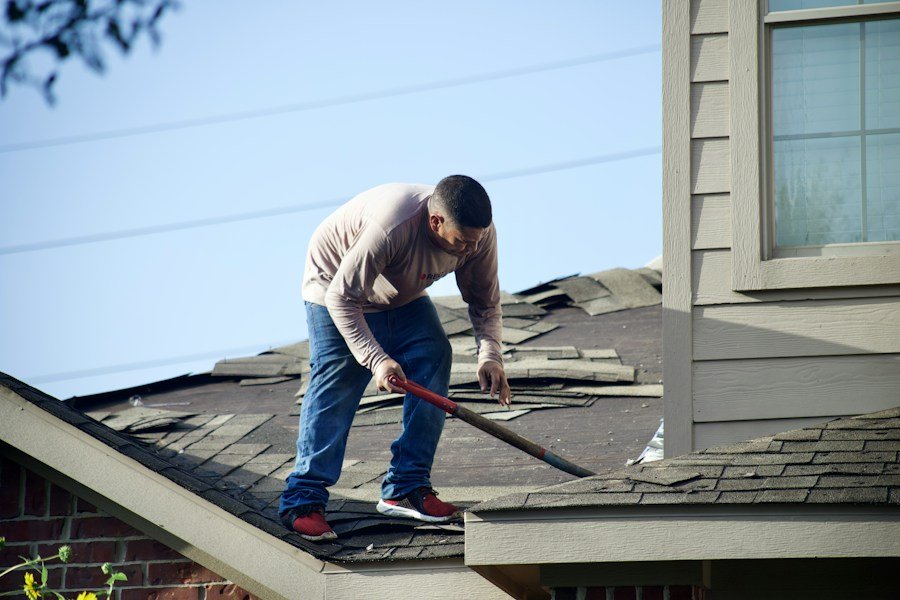
Spring is when winter damage shows up. After the last freeze, walk your property and look for shingles that slid into the yard, granules piled at downspout outlets and drip edge pulled loose by ice. In Willingboro and Maple Shade, check the ceiling under each dormer for faint stains, because those step flashing joints often leak only in long spring rains. In Marlton and Mount Laurel townhomes, look up at shared valleys and party-wall flashing from the street; association landscapers can miss lifted tabs. On Pinelands lots, clear the needles that fell over winter before the first big thunderstorm. Spring is also the best time to book a non-urgent inspection, before summer storm calls fill the calendar, and to schedule moss treatment on shaded slopes in Medford and Medford Lakes so it can work during the damp months.
Summer brings the county’s worst wind events, so the goal is to find weak spots before a storm does. The June 2012 derecho and the September 2021 Burlington Township tornado both came in warm months. Have overhanging limbs trimmed back at least several feet from the roof, especially on wooded lots in Shamong, Tabernacle and Southampton. Check attics on hot afternoons: if the space is far hotter than outdoors and there are no soffit vents, shingles are aging faster than they should, which is common on postwar capes. After any storm with strong gusts, look for creased or missing tabs along rakes and ridges, the first places wind lifts. If a limb comes through the roof, get people clear, photograph the damage and send an emergency request through our contact page so the opening can be tarped quickly.
Fall is gutter season in Burlington County, and wooded towns need it twice. Oaks in Moorestown, Cinnaminson and Riverton drop leaves late; pitch pines in the Pinelands shed needles in early fall and again through winter. Clear gutters, downspouts and valleys in October and again after leaf drop, and check that downspouts discharge away from foundations. On river-town houses in Burlington City, Beverly and Bordentown City, inspect built-in box gutters for open seams before freezing weather, since a leaking box gutter rots the cornice and wall below. Fall is also the right time to fix small leaks, because shingles seal best in mild temperatures and a minor flashing issue becomes an ice-dam leak in January. If your roof is near the end of its life, a fall inspection gives you time to plan a spring replacement instead of an emergency one.
Winter risk in Burlington County comes from ice dams, heavy snow on low roofs and cold Pine Barrens nights. The January 2016 blizzard dropped 10.5 to 22.2 inches across the county, and storms like that load porch roofs and flat additions in the river towns. If icicles form along the eaves of a cape or ranch, warm air is escaping into the attic and melting snow that refreezes at the cold overhang. Keep attic hatches sealed and do not chip ice off the roof, which damages shingles. Use a roof rake from the ground for heavy snow on low-slope sections if it is safe to do so. In Pinelands towns, frost on the underside of roof sheathing on cold clear mornings points to poor ventilation. Note any stains and request an inspection once the roof is clear of snow.
In depth
Burlington County Roofing Questions, Answered in Depth
Should I repair or replace the roof on my Willingboro or Maple Shade postwar home?
If your postwar cape or ranch already has two layers and the shingles are curling or shedding granules, replacement is usually the better investment; if it has one layer under 15 years old, targeted repair often makes sense. Willingboro’s Levitt homes were built from 1958 onward, so many are on at least their third covering, and some had a second layer nailed over the first to save money.
New Jersey’s construction code allows a maximum of two layers, so a two-layer roof cannot receive a third; the next job is a full tear-off. That changes the repair math. Spending $1,200 on flashing work on a worn two-layer roof only buys time until a replacement that will have to remove that new work anyway.
We look at four things: layer count, deck condition at the eaves, how many leak points exist, and attic ventilation. Gapped plank decking is common on these houses, and new shingles do not lie flat over it. Original attics often have only small gable vents, which cooks shingles from below and shortens their life. A replacement lets us add ice and water shield at eaves and valleys, re-flash dormers properly and balance soffit and ridge ventilation.
When a roof has one layer and isolated damage, such as a few shingles lost in a summer storm or one cracked pipe boot, repair is the sensible choice and carries our 2-year workmanship warranty. We put both options in writing with photos so you can compare. For the replacement side, see our roof replacement in Burlington County service.
What do Pinelands rules mean for roof work in Medford, Tabernacle or Pemberton?
For a single-family home, ordinary roof repair and replacement in the Pinelands Area does not need a Pinelands Commission application, but some cases do, and your town still enforces its own rules. The Pinelands Commission lists 14 Burlington County municipalities with Pinelands Area land, including Medford Lakes, Shamong, Tabernacle, Washington Township and Woodland wholly within it.
Under N.J.A.C. 7:50-4.1, the improvement of a single-family dwelling and its accessory structures is not treated as development, so a re-roof or repair on a house, garage or shed generally does not trigger Pinelands review. The exception is a property the Commission has designated as a historic resource. Commercial buildings, multi-family buildings and projects that add footprint, such as an addition with a new roof, fall outside the simple exemption and should be checked with the town and the Commission first.
Day to day, the Pinelands changes the work more than the paperwork. Sandy soil and septic fields mean we place dumpsters and haul tear-off carefully. Dry pine needles collect in valleys and gutters, and the state climatologist notes the area’s vulnerability to forest fires, so keeping roofs and gutters clear of needle litter is both a fire and water precaution. Cold, clear Pine Barrens nights and wide daily swings make attic ventilation more important than in the river towns.
If you are planning solar with a re-roof, accessory solar on an existing structure is also listed as not development under the same rule, though utility and town permits still apply.
How do historic districts in Mount Holly, Burlington City and Moorestown affect roof repairs?
In these towns, like-for-like repairs are usually simplest, while changing roof materials or visible features can require a Certificate of Appropriateness before work starts. Each town writes its own rules, so the details differ.
Mount Holly’s historic preservation ordinance is unusually specific. Repair or replacement using the same materials, without changing the building’s architectural appearance, is exempt from commission review. Replacing roofing with architectural dimensional shingles on listed properties can be approved administratively, as can repair of existing cupolas, dormers and chimneys in the same materials. The ordinance also requires the roof shape of new work to be visually compatible with related buildings.
Burlington City’s Historic Preservation Commission lists roofing among the exterior alterations owners should discuss with the commission, and its Certificate of Appropriateness application asks for roof material samples. Moorestown adopted a historic preservation ordinance in April 2025 and now accepts Certificate of Appropriateness applications, with design guidelines in draft.
Our approach in these districts is to photograph the existing roof, chimney, gutters and trim before we quote, list materials by type and color, and note anything visible from the street. That package is what commissions typically want to see. Slate and standing-seam repairs are often the cheapest way to stay within the rules, because matching existing material avoids a material-change review. For slate details, see slate roof repair in Burlington County.
Always confirm with your town’s zoning or historic office before work begins; we cannot give legal approval, only clear documentation.
Who handles a leak on a Mount Laurel or Marlton townhome: me or the HOA?
It depends on your association’s master deed and bylaws, which define whether the roof is a common element, a limited common element or the owner’s responsibility. Mount Laurel and Evesham have many townhome and condo communities, and the answer varies from one association to the next.
In many communities, the association maintains roofs and the owner reports leaks to management. In others, owners maintain the roof above their unit but must use approved shingle colors and styles. Some split it: the association handles replacement on a schedule, while owners pay for repairs between cycles. Read the documents or ask management before hiring anyone, because unapproved work can be undone at your cost.
Permits also differ from detached houses. New Jersey’s ordinary-maintenance exemption covers detached one- and two-family homes only, so roof work on attached townhomes needs a construction permit from Mount Laurel or Evesham’s construction office. A contractor who tells you otherwise is skipping a step.
Technically, townhome leaks are tricky because rows share valleys, ridges and party-wall flashing. Water entering at a neighbor’s step flashing can run along the deck and appear in your ceiling. We inspect both sides of a party wall where we can, photograph shared areas and write findings so the association and owners can see where the source is.
If you are the owner and responsible, we coordinate with management on color approvals and access. If the association is responsible, our photo report gives you evidence to support your request.
What should I do after a tree falls on my roof in a wooded Burlington County town?
Get everyone out of the affected rooms, shut off power to wet circuits if it is safe, photograph the damage before anything is moved, and request emergency tarping. Tree-falls are the most common serious roof claim in wooded towns like Medford, Shamong, Tabernacle, Southampton and Pemberton Township, and also on older tree-lined streets in Moorestown and Riverton.
Photographs matter most in the first hours. Shoot the tree on the roof from several angles, the interior ceiling and any water, and the stump if the tree came from a neighbor’s property, which can affect how insurers handle the claim. Keep receipts for the tree service, tarping and any hotel stay.
Do not climb on the roof or try to cut the tree off it yourself. A trunk resting on a roof is often holding broken rafters in place, and removing it carelessly can drop part of the roof into the house. A tree service should lift the tree off in coordination with the roofer, after which the opening is tarped.
Once the tree is off, we inspect the framing. Cracked rafters or trusses and broken sheathing are structural work that requires a construction permit even on a detached home, and the repair should be designed so the roof plane is straight again. We document everything with dated photos and a written scope that separates storm damage from pre-existing wear, which helps the adjuster. For the urgent stage, see emergency roof repair in Burlington County.
After repairs, have nearby trees assessed by an arborist, especially pines with lean or root damage after saturated ground.
How do I choose a roofer in Burlington County?
Verify the contractor’s New Jersey home improvement registration, insist on a written contract with the required details, and choose someone who explains your specific roof type with photos. Burlington’s mix of Levitt capes, townhomes, historic slate and log cabins means experience with your kind of house matters.
Every home improvement contractor working on New Jersey homes must register with the Division of Consumer Affairs. Registration numbers begin with 13VH, and you can check one on the state’s license verification site. Registration requires at least $500,000 in commercial general liability insurance; ask for the certificate.
Under N.J.S.A. 56:8-151, home improvement contracts over the threshold must be written and signed, and show the contractor’s legal name, business address and registration number, the total price, a copy of the insurance certificate and a three-business-day right to cancel. A roofer who will not put the job in writing should not be on your roof.
Local signals matter too. A good roofer will ask whether you are in a historic district, an HOA or the Pinelands, will know that townhomes need permits, and will count layers before quoting a replacement. Be cautious with door-knockers after a big storm who push you to sign over insurance proceeds on the spot.
Roof Repair SNJ has worked on New Jersey roofs for more than 25 years and has repaired and replaced more than 5,000 roofs. We give a free inspection with photos, a written itemized quote, and written workmanship warranties of 2 years on repairs and 10 years on full replacements. You can compare our quote against others and make the choice that fits your house.
FAQ
Roof Repair in Burlington County, NJ: Frequently Asked Questions
Do I need a permit to repair my roof in Burlington County?
Not for a detached one- or two-family house. New Jersey treats roof covering repair and replacement as ordinary maintenance. You do need a permit from your town’s construction office for deck or rafter replacement, attached townhomes or condos, multi-family or commercial buildings, and any third roof layer.
Does the Pinelands Commission have to approve my re-roof?
Usually not for a single-family home. Pinelands rules treat improvements to a single-family dwelling and its accessory buildings as exempt from development review, except on Commission-designated historic resources. Commercial, multi-family and projects that add new building area should be checked with your town and the Commission first.
How much does a roof repair cost in Burlington County?
Most repairs fall between $350 and $1,800 as of November 2026. A few shingles run $350 to $800, a pipe boot $250 to $600, and a single traced leak $400 to $1,500. Flat-roof repairs and rotted decking can cost more. You get a written itemized quote after a free inspection.
Can I put a new layer of shingles over my old roof in Willingboro?
Only if the house has one layer now. New Jersey allows a maximum of two layers. Many Willingboro Levitt homes already have two, so the next roof requires full tear-off. Tear-off also lets us repair gapped plank decking and add ice and water shield at the eaves.
Do Mount Holly and Burlington City require approval for roof work?
In their historic districts, often yes for material changes. Mount Holly exempts same-material repairs that do not change appearance and allows staff approval of some architectural shingle replacements. Burlington City’s commission lists roofing among reviewed alterations. Confirm with the town before work starts.
Who fixes a townhome roof leak in Mount Laurel or Marlton?
Your association documents decide. Some HOAs maintain all roofs, some leave them to owners with approved materials, and some split repair and replacement. Check the master deed or ask management first. Attached townhome roof work also requires a construction permit, unlike a detached house.
Is roof damage from a fallen tree covered by insurance?
Usually, when a storm or wind brings the tree down, homeowners policies cover sudden damage to the roof. Wear, age and neglect are usually excluded. Photograph the tree before removal, keep tree service and tarp receipts, and let your adjuster and policy confirm the coverage.
What roof problems are most common in Burlington County?
We most often see failed dormer step flashing on postwar capes, cracked pipe boots on 1980s and 1990s subdivisions, missing kick-out flashing on two-story colonials, needle-packed valleys in Pinelands towns, and box gutter leaks on older river-town houses in Burlington City, Beverly and Bordentown.
Do you repair roofs on Medford Lakes log cabins?
Yes. Log cabin roofs meet round cedar logs instead of flat walls, so standard step flashing does not seat well. We hand-form metal flashing to the log profile, seal carefully where shingles meet wood, and pay attention to shaded, damp slopes that grow moss under the lake woods.
How fast can you respond to a roof emergency in Burlington County?
Send an emergency request through our contact page any time, day or night. We prioritize active leaks and storm openings and tarp to stop water entry, then schedule the permanent repair. Travel time varies across New Jersey’s largest county, from the river towns to Bass River.
Reviewed by the Roof Repair SNJ team · Last updated November 2026
Nearby
Roof Repair Near Burlington County
We also work in the counties next to Burlington County. See every county we serve on our New Jersey service areas page, or start from our roof repair NJ homepage.
Free inspection
Get a Free Roof Inspection in Burlington County
From a Willingboro cape with a dormer leak to a Marlton townhome, a Mount Holly slate roof or a cabin in Medford Lakes, we will inspect, photograph what we find and give you a written, itemized quote. Book your Burlington County roof inspection or see our Camden County roof repair page. There is no cost and no obligation.
No pressure and no obligation. If a repair will do, we’ll tell you.
Roof Repair SNJ
- Serving all 40 Burlington County towns
- Request roof service in Burlington County
- Mon–Fri 5:00 AM–10:00 PM · Sat 5:00 AM–6:00 PM · Emergencies 24/7
Sources: Rutgers NJ Data Book: Burlington County (land area, largest county) · Census Reporter: Burlington County, ACS 2024 1-year (housing units, median value) · Stacker: Counties with the oldest homes in New Jersey (Census ACS 2023 5-year) · NJ Pinelands Commission: Pinelands Area Municipalities · N.J.A.C. 7:50-4.1 Pinelands applicability and exemptions · USGS: Flood of July 12-13, 2004, Burlington and Camden Counties · NWS Mount Holly Public Information Statement, Sept 1, 2021 tornadoes · NWS Mount Holly: June 29-30, 2012 derecho · Office of the NJ State Climatologist: January 2016 recap (blizzard totals) · Office of the NJ State Climatologist: NJ Climate Overview (Pine Barrens zone) · Encyclopedia of Greater Philadelphia: Levittowns · Medford Lakes, New Jersey (background) · Mount Holly Township historic preservation ordinance · City of Burlington Historic Preservation Commission · Moorestown Historic Preservation Commission · Joint Base McGuire-Dix-Lakehurst (background) · FEMA DR-4614 designated areas (Ida) · N.J.A.C. 5:23-2.7 ordinary maintenance · NJ license and registration verification · N.J.S.A. 56:8-151 home improvement contracts · Roof Observations: New Jersey roof cost guide (Jan 2026) · Fixr: Roof replacement cost in New Jersey (2026). Prices are planning ranges, not quotes. Permit and insurance information is general guidance; your town, policy and agent have the final word.