
Roof Repair NJ › NJ Locations › Mercer County
Trenton · Princeton · Hamilton · 12 towns
Roof Repair in Mercer County, NJ
Roof Repair SNJ repairs leaking, storm-damaged and worn roofs in all 12 Mercer County municipalities, from Trenton row houses and Hamilton subdivisions to Princeton’s historic districts and Hopewell Valley farmhouses. Each job begins with a free inspection and dated photos, then a written, itemized quote, backed by a 2-year repair and 10-year replacement workmanship warranty in writing.
- Free roof inspection with dated photos
- Row-house flat roofs to Princeton slate
- Written, itemized quote and warranty
Free roof inspection in Mercer County
Photos of every problem we find and an itemized written price before any work. Emergency requests handled 24/7.
Roof Repair SNJ
12 Mercer County towns · all 21 NJ counties
Free inspection
Roof, attic and gutters checked at no cost.
Insured
Liability and workers’ comp; certificate on request.
Written quotes
Itemized price in writing before any work.
Photo-documented
Every problem photographed, before and after.
Mercer County at a glance
Mercer County at a Glance: The Roof Facts That Count
Mercer County combines one of New Jersey’s older housing stocks, a state capital full of attached row houses, a university town with 20 historic districts, and growing suburbs along Route 1 and Route 130. Its roofs face Delaware River flooding, summer heat at the southern edge of central New Jersey, and the occasional tornado.
County seat
Trenton
Trenton is New Jersey’s capital, with dense neighbourhoods of brick and frame row houses, many with low-slope rear roofs, shared parapets and old box gutters.
Municipalities
12
Hamilton and Trenton each have about 90,000 residents, while Hopewell Borough has under 2,000. Combined 2020 Census population was 387,340.
Median year built
1967
ACS 2023 five-year estimates put Mercer’s median home at 1967, eighth oldest among New Jersey’s 21 counties, and roughly a quarter of homes date from 1960 to 1979.
Historic districts in Princeton
20
Princeton’s Historic Preservation Commission oversees 20 designated historic districts, including Witherspoon-Jackson, designated in 2016, where roof material changes can require review.
Delaware River flood stage
20 ft at Trenton
The river at Trenton crested at 28.6 feet in August 1955, then above 23 feet in 2004, 2005 and 2006, according to National Weather Service records.
Neighbouring counties
Middlesex, Burlington, Hunterdon
Mercer borders Middlesex, Burlington, Hunterdon, Somerset and Monmouth counties and faces Bucks County, Pennsylvania across the Delaware River.
Homes & roofs
Which Homes and Roofs Are Common in Mercer County?
Mercer County roofs range from flat and low-slope row-house roofs in Trenton to slate and cedar in Princeton, with asphalt shingles on most postwar and newer suburban homes. Housing age and type change sharply between towns, so roof problems do too.
Trenton row houses and twins
Trenton neighbourhoods such as Mill Hill, Chambersburg, Wilbur and the North Ward hold long blocks of brick and frame row houses and twins, many built before 1940. Front roofs may be mansard or low-pitch shingle, while rear sections are often flat. Shared parapets, built-in box gutters and party-wall flashing cause many leaks, and water on one roof often travels into a neighbour’s house.
Princeton historic homes with slate and cedar
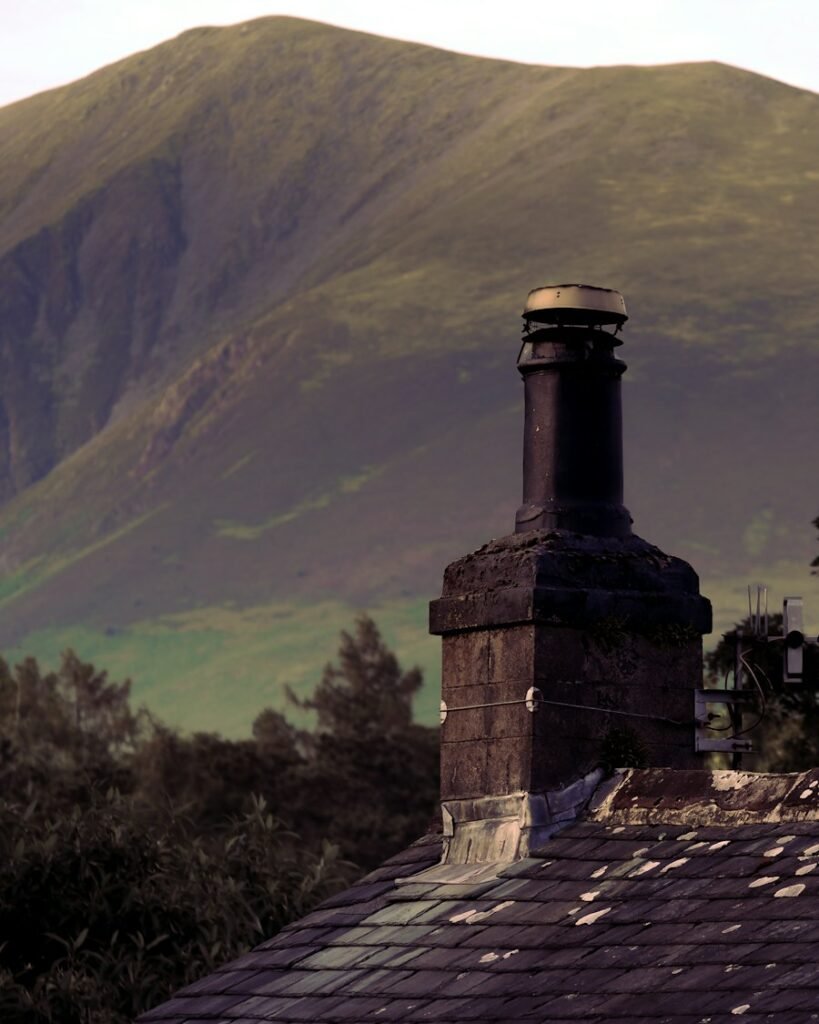
Princeton’s historic districts include Victorian, Colonial Revival, Tudor and older vernacular houses, many with natural slate, cedar shingles, copper flashing and built-in gutters. Princeton’s preservation ordinance favors keeping and repairing original roofing and matching replacement material and size. Steep slopes, dormers and tall chimneys require careful staging and specialist repair. Many leaks we find on these houses trace to tired copper valleys or old roofing-cement patches rather than the slate itself.
Postwar capes and ranches in Hamilton and Ewing
Hamilton neighbourhoods such as Mercerville, Hamilton Square and White Horse, and much of Ewing and Lawrence, have 1940s to 1960s capes, ranches and small two-stories. Many roofs carry two shingle layers and older plank decks. Dormer flashing, chimney counter flashing and poorly ventilated attics that cause winter ice dams are common issues. Low-pitch rear additions and enclosed porches built later are another frequent source of leaks on these streets.
1960s to 1980s splits and colonials
Hamilton, Lawrence, Ewing and parts of Hopewell Township expanded in the 1960s and 1970s with split-levels and center-hall colonials, part of the roughly 24 percent of Mercer homes built from 1960 to 1979. These roofs are now on second or third coverings, with leaks at roof-to-wall junctions, skylights and valleys, and ventilation that often fails modern standards.
West Windsor, Robbinsville and East Windsor subdivisions
West Windsor, Robbinsville, East Windsor and parts of Hamilton and Lawrence grew with 1980s to 2000s colonials, townhome communities and condo complexes. Large roofs with multiple valleys, skylights and dormers are common. Original architectural shingles from the 1990s and early 2000s are curling and losing granules, and associations often control replacement materials. Homes on the same street were often roofed within a few years of each other, so whole neighbourhoods reach replacement age together.
Hopewell Valley farmhouses and borough homes
Hopewell Township, Pennington and Hopewell Borough mix 18th- and 19th-century farmhouses, Victorians and newer estates. Older homes may have metal porch roofs, slate, cedar or multiple layers of asphalt. Barns and outbuildings often have metal roofs. Steep pitches, older decks and long driveways add to inspection and repair planning. Heavy tree cover across the valley also means limb damage and clogged valleys after most strong storms.
Hightstown and Lawrenceville older cores
Hightstown’s older streets and the Lawrenceville Main Street area have 19th- and early 20th-century homes with steep roofs, porches and old chimneys. Box gutters, slate remnants and several layers of patching are common. These homes need careful inspection of decks, flashing and ventilation before choosing a repair or replacement. Porch roofs, often low-slope with their own flashing to the main wall, are a frequent and overlooked leak point.
Flat roofs on state, commercial and mixed-use buildings
Trenton’s downtown and state-government area, plus commercial corridors along Route 1, Route 130, Route 33 and Nassau Street in Princeton, have many flat roofs in EPDM, TPO, modified bitumen and built-up systems. Ponding, open seams, parapet flashing and drain failures cause most leaks, especially on older multi-layer roofs. Rooftop units, hatches and skylights add penetrations whose curbs and flashing need regular checks, and many downtown roofs share walls with neighbouring buildings.
Mercer County weather
How Does Mercer County Weather Damage Roofs?
Mercer County roofs face Delaware River and creek flooding, wind and tree damage from strong storms, and heat and freeze-thaw stress. The 1955 Delaware flood, the 2004 to 2006 floods, Floyd in 1999 and Ida’s 2021 tornado and flooding all left marks here.
Ida’s EF0 tornado, September 1, 2021
At about 7:32 p.m., an EF0 tornado with 65 to 85 mph winds touched down near Route 1 in West Windsor and tracked nearly three miles past Carnegie Center and Washington Road to Lake Carnegie in Princeton. It snapped and uprooted trees and brought down utility poles. Tornadoes of this strength mainly damage roofs through falling trees, flying debris and lifted shingles.
Ida flooding, September 1 and 2, 2021
Ida set a record on Stony Brook at Princeton at 17.65 feet, and Assunpink Creek reached major flood stage near Mercerville and in Trenton. Flooding closed Interstate 295 in Hopewell, and trees and wires came down in Lawrence. Intense rain overwhelmed gutters and valleys, and wind-driven rain entered roofs through worn flashing. Homes that took water that night should have attics checked for damp insulation and stained sheathing.
Delaware River floods of 1955, 2004, 2005 and 2006
The Delaware at Trenton crested at 28.6 feet in August 1955, then reached 23.41 feet in September 2004, 25.33 feet in April 2005 and 25.09 feet in June 2006, all above the 20-foot flood stage. Riverside neighbourhoods in Trenton and Ewing that flooded often have hidden moisture damage in attics and walls, and some roofs were replaced quickly after flood repairs.
Floyd, September 16, 1999
Floyd closed about 85 Mercer roads, including parts of I-95, Route 1, Route 130 and Route 33, and Assunpink Creek damaged 40 homes and three businesses in Trenton. Roofs damaged then were often repaired quickly, and many are now well past typical shingle life. Older patches and mismatched decking can still be found in some homes.
Heat, humidity and the southern edge of central New Jersey
Trenton sits near the southern end of New Jersey’s central climate zone, at the bend of the Delaware, and areas just south see about twice as many 90-degree days as central New Jersey. Dense Trenton blocks also hold heat. Flat roofs and dark shingles age faster, and attic heat in poorly ventilated homes shortens shingle life.
Freeze-thaw, ice dams and tree cover
Winter storms in Mercer often mix snow, sleet and rain, creating freeze-thaw cycles that form ice dams on capes and splits with poor attic ventilation. Mature trees in Princeton, Lawrence and Hopewell Township drop limbs in ice storms and wind. Valleys and gutters under heavy tree cover clog quickly, which increases ice dam and leak risks.
Roofing services
Roof Repair Services We Provide in Mercer County
We handle every major roofing need in Mercer County, from a flat rear roof on a Chambersburg row house to slate on a Princeton Victorian. Here is how each service usually applies in this county. Our crews also cover roof repair in Middlesex County, Burlington County roofing and Hunterdon County roof repair as part of our roof repair NJ service.
Roof Leak Repair in Mercer County
Mercer leaks often start at shared parapets and box gutters on Trenton row houses, dormer flashing on Hamilton and Ewing capes, or skylights on West Windsor colonials. We trace leaks through attics and roof surfaces, fix the source and document the repair with photos.
Emergency Roof Repair in Mercer County
When a limb falls on a Lawrence or Princeton roof or wind tears shingles off a Hamilton home, submit an emergency request through the contact page any time. We tarp and secure the opening, photograph damage for insurance and schedule a permanent repair.
Storm Damage Roof Repair in Mercer County
After storms like Ida, Mercer roofs show lifted or missing shingles, damaged flashing, tree impacts and overflowed gutters. We separate storm damage from wear and provide an itemized scope and dated photos for your adjuster.
Roof Replacement in Mercer County
Many Hamilton, Ewing and Lawrence homes from the 1950s to 1970s need full tear-off because of multiple layers or worn decks. We replace damaged sheathing, install ice and water shield and drip edge, correct ventilation and handle permits when needed.
Roof Inspection in Mercer County
Buying in Princeton, Robbinsville or Hamilton? We inspect roofs, attics, flashing, ventilation and gutters and provide a photo report. Trenton row houses get a check of shared walls and rear flat roofs, and historic homes get material and flashing assessments.
Flat Roof Repair in Mercer County
Trenton row houses, downtown commercial buildings and Route 1 offices rely on flat roofs. We repair EPDM, TPO, modified bitumen and built-up roofs, including seams, parapets, coping, scuppers and drains, and tell you when replacement is wiser.
Metal Roof Repair in Mercer County
Standing-seam porch roofs on Pennington and Hopewell homes, barns in Hopewell Township, and copper bays or flashing in Princeton need metal-specific repair. We reseal seams, replace fasteners and panels, and match metals where possible.
Slate Roof Repair in Mercer County
Princeton’s historic homes, plus older houses in Lawrenceville, Pennington and Hopewell Borough, often have natural slate. We replace broken slates with matched stone, rebuild copper or lead-coated flashing and follow Princeton’s preservation standards when they apply.
Shingle Roof Repair in Mercer County
Most Mercer homes have asphalt shingles. We replace missing or wind-lifted shingles, rebuild ridge caps, swap pipe boots and match colors as closely as possible on Hamilton, West Windsor, Ewing and Robbinsville homes.
Roof Cleaning in Mercer County
Shaded roofs under mature trees in Princeton, Lawrence and Hopewell grow algae and moss. We soft wash at low pressure, clear valleys and gutters, and recommend zinc or copper strips to slow regrowth without damaging shingles or slate.
Gutter Repair in Mercer County
Box gutters on Trenton rows and older Princeton homes, plus leaf-filled gutters in Lawrence and Hopewell, cause many leaks. We reline and repair built-in gutters, re-pitch hanging gutters, fix fascia rot and improve downspout drainage.
Commercial Roofing in Mercer County
We repair roofs on small commercial buildings, offices, churches, mixed-use blocks and multi-family properties in Trenton, Hamilton, Ewing, Princeton and along Route 1, with written scopes and photos for owners and managers.
Mercer County rules
Mercer County Roof Permits, Princeton Historic Review, Flood Zones and HOAs
Permits & local review
Roof covering repair or replacement on a detached one- or two-family Mercer County home usually needs no permit, but Trenton row houses, Princeton historic districts, townhomes and flood-zone damage can change that. Since March 5, 2018, New Jersey has treated roof covering work on detached one- and two-family homes as ordinary maintenance under N.J.A.C. 5:23-2.7. Permits are still required for sheathing or structural work, attached dwellings, larger multi-family or commercial buildings, or a third roof layer.
- Trenton row houses and twins are attached dwellings, so roof replacement generally needs a construction permit.
- Princeton historic districts: The Historic Preservation Commission oversees 20 districts. Its standards favor repairing original roofing and matching replacement materials in material and size, so changing slate or cedar to asphalt may need review.
- Townhomes and condos in West Windsor, East Windsor, Robbinsville and Hamilton need association approval and permits.
- Flood zones: Homes near the Delaware, Assunpink Creek and Stony Brook may face substantial-damage rules after major floods. The municipal construction office decides.
Insurance claims
In Mercer County, many roof claims involve trees and wind, while river and creek flooding is usually a separate flood insurance matter. Homeowners policies generally cover sudden damage from wind, hail, falling trees and the weight of ice or snow, but exclude wear, age and neglect. Ida’s tornado in West Windsor and Princeton and its tree damage in Lawrence are examples of covered-type events, while floodwater from the Delaware, Assunpink or Stony Brook typically needs a flood policy. For historic Princeton homes, ask your insurer whether the policy covers matching slate or cedar, because replacement material can affect claim value. Photograph roof, attic and interior damage before cleanup, keep tarp and tree-removal receipts, and separate roof from flood damage. We provide dated photos and itemized scopes. Your policy and agent have the final word.
Pricing · updated November 2026
How Much Does Roof Repair Cost in Mercer County?
As of November 2026, most Mercer County roof repairs cost $350 to $1,500, while flat-roof work on Trenton rows, slate repairs in Princeton and deck replacement can cost more. Full asphalt replacements in New Jersey typically cost $8,500 to $17,000, depending on size, layers and complexity.
Minor shingle repair
$350 – $800
Replacing a few missing or wind-lifted shingles and resealing tabs, common after storms on Hamilton, Ewing and West Windsor homes, with color matching and photos.
Single-source leak repair
$400 – $1,500
Finding and fixing one leak at a dormer, valley, skylight or roof-to-wall joint, typical on Hamilton capes and Lawrence and Ewing split-levels, including attic inspection.
Flat-roof patch or seam
$400 – $2,500
Repairing seams, parapet flashing, scuppers and drains on Trenton row-house rear roofs, downtown commercial buildings and Route 1 offices, matching EPDM, TPO or modified bitumen.
Chimney re-flashing
$600 – $1,800
Installing new step and counter flashing on brick chimneys of Trenton rows, Hamilton capes and older Princeton and Pennington homes, plus a cricket on wide chimneys.
Slate repair
$500 – $2,500+
Replacing broken slates and rebuilding flashing on Princeton, Lawrenceville, Pennington and Hopewell homes. Historic review, steep pitches and matching reclaimed slate can raise costs.
Rotted deck section
$500 – $2,000+
Replacing soft or rotted sheathing found under old layers on 1940s to 1970s Hamilton, Ewing and Trenton homes. Deck replacement requires a permit, which we handle.
What moves the price in Mercer County
- Attached row houses: Trenton rows need permits, coordination with neighbours and careful flashing at shared parapets, which add time.
- Historic materials: Princeton’s preservation standards may require slate, cedar or matching materials, and natural slate runs about $31 to $40 per square foot installed.
- Multiple layers: Many postwar Hamilton and Ewing homes have two layers, requiring full tear-off and more disposal.
- Deck condition: Older plank decks or flood-damaged sheathing may need replacement and a permit.
- Access and parking: Narrow Trenton streets and dense Princeton neighbourhoods can need smaller containers, street permits or extra hand carrying.
- Association rules: West Windsor, East Windsor and Robbinsville communities may require approved materials, insurance certificates and scheduling.
- Roof size and complexity: Large colonials with valleys, skylights and dormers take more labor than simple capes.
- Flat-roof drainage: Ponding and drain problems on commercial and row-house roofs may require tapered insulation or drain rework.
Planning ranges, not quotes. Sources: Roof Observations NJ cost guide (January 2026), Fixr New Jersey roof replacement data (2026), and our site-wide repair ranges. Your written, itemized quote follows a free inspection. See our roof repair cost guide for details.
Who does the work
Why Mercer County Homeowners Choose Roof Repair SNJ
- Repairing NJ roofs for 25+ years
- General liability + workers’ comp insurance
- Workmanship warranty: 2 years on repairs, 10 years on full replacements, in writing
- Photo report with every inspection
Check any roofer before you sign in Mercer County
Ask for the 13VH registration number and confirm it on the NJ license lookup. NJ law requires a signed written contract showing the registration number and total price, and gives you until midnight of the third business day to cancel (N.J.S.A. 56:8-151).
12 towns
Roof Repair Notes for Mercer County Towns
We work in every Mercer County municipality, and each town has its own housing types and storm history. These notes cover the largest and most distinctive towns.
Hamilton Township
Hamilton is Mercer’s largest town, with postwar capes and ranches in Mercerville, Hamilton Square and White Horse, plus 1960s to 2000s splits, colonials and townhomes. Assunpink Creek reached major flood stage near Mercerville during Ida. Common work includes two-layer tear-offs, dormer and chimney flashing, and ventilation fixes for ice dams.
Trenton
Trenton’s row houses and twins in Mill Hill, Chambersburg, Wilbur and the North Ward often have flat or low-slope rear roofs, shared parapets and box gutters. The Delaware and Assunpink have flooded parts of the city repeatedly, including 40 homes damaged by the Assunpink during Floyd. Attached homes need permits for replacement, and shared-wall flashing needs careful work.
Ewing Township
Ewing has many 1940s to 1970s capes, ranches and splits, plus riverside areas near the Delaware. Common issues include aging asphalt, chimney flashing, plank decks and attic ventilation. Homes near the river that saw past flooding may have hidden moisture damage in attics and walls.
Lawrence Township
Lawrence includes the historic Lawrenceville Main Street area, postwar neighbourhoods and newer subdivisions. During Ida, trees and wires came down in Lawrence, and the township is close to the EF0 tornado path. Mature trees make limb damage, clogged gutters and moss common, and older homes may have slate or several asphalt layers.
Princeton
Princeton consolidated its borough and township in 2013 and has 20 historic districts overseen by the Historic Preservation Commission. Slate, cedar, copper flashing and built-in gutters are common. Ida’s EF0 tornado ended at Lake Carnegie and brought down trees and poles on Washington Road, and Stony Brook set a flood record at Princeton.
West Windsor
West Windsor’s 1980s to 2000s colonials and townhome communities have large, complex roofs now reaching replacement age. Ida’s EF0 tornado touched down near Route 1 and tracked past Carnegie Center. Inspections focus on granule loss, ridge caps, skylights and storm damage from trees, and associations often control replacement materials.
East Windsor and Hightstown
East Windsor has large townhome, condo and subdivision developments, while Hightstown has an older borough core with 19th- and early 20th-century homes. Association approvals and permits apply to attached homes in East Windsor. Hightstown’s older houses often have box gutters, multiple shingle layers and chimneys that need re-flashing.
Hopewell Township
Hopewell Township has farmhouses, barns, estates and newer subdivisions across the Hopewell Valley. Flooding closed I-295 in Hopewell during Ida. Metal barn roofs, older slate and cedar, and heavily wooded lots are common. Long driveways and steep pitches add to planning, and tree damage is a major storm risk.
Robbinsville
Robbinsville, including the Town Center area and newer subdivisions, has many 1990s and 2000s homes and townhomes. Original architectural shingles are reaching the end of their life, and associations often set rules on materials. Common repairs include ridge caps, pipe boots, flashing around skylights and storm damage after strong winds.
Pennington and Hopewell Borough
These small boroughs have Victorians, farmhouses and early 20th-century homes with steep roofs, porches, slate, metal and old chimneys. Box gutters and multiple layers are common. Material changes on historic homes deserve careful thought, and repairs often focus on flashing, slate replacement and porch roofs.
All 12 municipalities we serve in Mercer County
Hamilton Township (Mercer County) · Trenton · Ewing · Lawrence Township (Mercer County) · Princeton · East Windsor · West Windsor · Hopewell Township (Mercer County) · Robbinsville · Hightstown · Pennington · Hopewell Borough
Seasonal roof care
Mercer County Roof Maintenance Calendar
Mercer County roofs need a spring storm and ice check, summer heat care, fall leaf and flashing work, and winter ice-dam watch. Row houses, historic homes and flood-prone properties need a few extra steps.
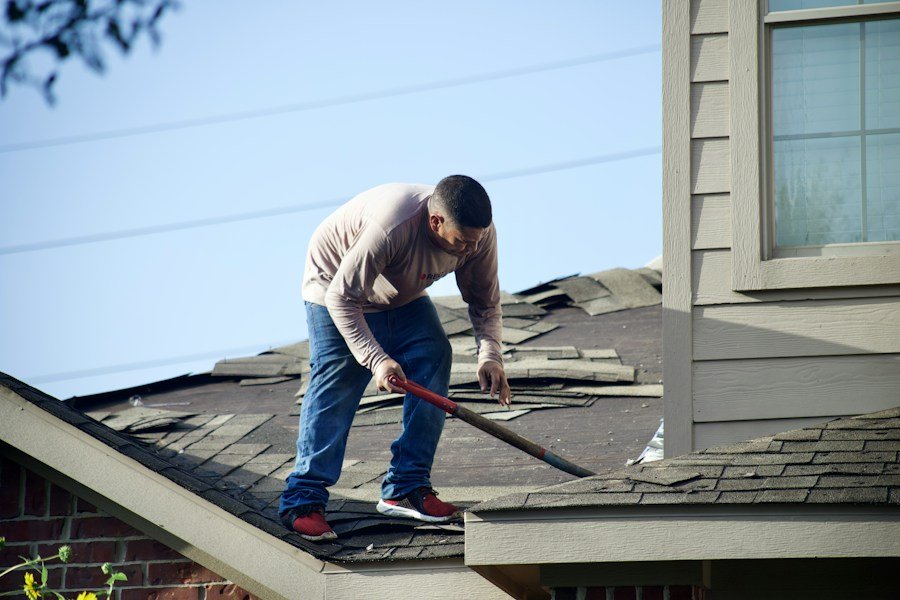
Spring is the time to check for winter damage before summer storms. Look for missing shingles, lifted ridge caps, exposed nails and granules in gutters. On Trenton row houses, inspect rear flat roofs for ponding, cracked seams and loose parapet flashing, and check box gutters for leaks. Princeton and Pennington slate roofs should be checked for slipped or broken slates after ice. In flood-prone areas near the Delaware, Assunpink and Stony Brook, make sure downspouts carry water away from foundations. Clear debris from valleys under mature trees in Lawrence and Hopewell. Spring is also a good time to book an inspection in Mercer County before summer schedules fill and before thunderstorm season begins in earnest.
Summer heat and thunderstorms test roof materials and drainage. Trenton’s dense blocks and nearby areas see hot summers, which age flat roofs and dark shingles faster. Check attic ventilation, especially in capes and older homes, and look for brittle shingles or warped decking. After strong storms, inspect for lifted shingles, tree damage and clogged gutters. Ida showed how quickly a tornado or heavy rain can affect roofs, so check your roof after severe weather. Flat roofs on row houses and commercial buildings should be inspected for ponding and seam damage. Summer is a good time for planned replacements in Hamilton, West Windsor and Robbinsville, but book early because demand peaks.
Fall is the key maintenance season for leafy Mercer neighbourhoods. Leaves from mature trees in Princeton, Lawrence, Ewing and Hopewell clog gutters and valleys quickly. Clean gutters after most leaves fall and make sure downspouts drain well away from the house. Inspect chimney flashing, skylights, pipe boots and roof-to-wall joints before winter. Box gutters on Trenton rows and older Princeton homes should be checked for cracked linings. Homes with past ice dams should have attic insulation and ventilation reviewed. Associations in West Windsor, East Windsor and Robbinsville often schedule fall inspections, so coordinate early. If your roof is near the end of its life, early fall replacement avoids winter emergencies.
Winter roof care in Mercer County focuses on ice dams, snow and wind. Storms that mix snow, sleet and rain create freeze-thaw cycles that form ice dams on capes, splits and older homes. Watch for icicles, ice ridges at eaves and water stains near exterior walls. Use a roof rake from the ground to remove heavy snow near the eaves, but never chip ice from shingles or slate. Keep flat-roof drains on Trenton rows and commercial buildings clear of ice and debris. After windstorms, check for missing shingles and tree damage. If a leak appears in winter, request emergency help through the contact page so the area can be secured until a permanent repair is possible.
In depth
Mercer County Roofing Questions Other Roofers Leave Out
Fixing flat and low-slope roofs on Trenton row houses
Most Trenton row-house leaks come from rear flat roofs, shared parapets, box gutters or party-wall flashing, and many can be repaired without replacing the whole roof. Trenton neighbourhoods such as Mill Hill, Chambersburg, Wilbur and the North Ward have long blocks of attached row houses and twins, many built before 1940.
These buildings often have a sloped front roof and a flat or low-slope rear section over kitchens and bathrooms. Over the years, many rear roofs have been covered with several layers of roll roofing, built-up roofing or modified bitumen.
Shared walls create unique problems. Water can enter at a neighbour’s parapet, travel along a joist and appear in your ceiling. Flashing where two roofs meet, or where one roof is higher than the next, is a common failure point. Box gutters built into the front cornice can crack and leak inside the wall.
We inspect the full roof area, including parapets, coping, gutters, drains and neighbouring roof transitions. Coring a small sample shows how many layers exist and whether insulation or decking is wet.
Repairs may include new seams, rebuilt parapet flashing, relined box gutters and improved drainage. When the roof has many layers or a soft deck, replacement with proper slope and drainage is usually better. Because row houses are attached dwellings, replacement generally requires a permit. Coordinating with neighbours on shared flashing also helps prevent future leaks.
Roof work in Princeton’s historic districts
If your Princeton home is in one of the town’s 20 historic districts, plan for preservation review before changing roofing materials, and expect the Commission to favor repair and in-kind replacement. Princeton’s Historic Preservation Commission reviews applications for work in designated districts, and the town’s ordinance includes standards for roofing on historic structures.
The ordinance says original roofing material should be maintained or repaired where possible. When replacement is necessary, it should match the original in material and size, and if the original material is unavailable, a substitute should match its shape and size. Roofs on new or altered non-historic buildings in districts should be visually compatible with the district.
In practice, that means slate, cedar and copper roofs are usually repaired rather than replaced with different materials. Broken slates can be replaced with matching stone, copper valleys and flashing rebuilt, and built-in gutters relined.
Before starting work, contact Princeton’s historic preservation staff to confirm whether your property is in a district and what approvals are needed. Prepare photos of the existing roof, a description of materials and a written scope. We can document current conditions and provide material details for your application.
Ordinary maintenance, such as replacing a few slates with matching material, may require less review than a full replacement or material change, but confirm with the town first. Starting work without approval can cause delays and added cost.
Repair or replace a postwar roof in Hamilton, Ewing or Lawrence?
Repair if the roof is sound and the problem is isolated; replace if the roof has two layers, widespread wear, repeated leaks or a soft deck. Mercer’s median home was built in 1967, and Hamilton, Ewing and Lawrence have many capes, ranches and splits from the 1940s to 1970s.
These homes often have specific weak points. Dormers need step flashing at every course, and chimneys need counter flashing cut into mortar joints. Split-levels have roof-to-wall joints where lower roofs meet upper walls. Older homes may have plank decks with gaps, and many attics lack adequate ventilation.
We start with the attic. Stains around chimneys or dormers point to flashing problems, while widespread darkening, rusted nails or soft decking suggest broader issues. On the roof, granule loss, cracking and curling show age.
If the roof already has two layers, New Jersey rules prevent adding a third, so replacement requires full tear-off. That is the time to correct ventilation, add ice and water shield at eaves and valleys, install drip edge and replace damaged decking. Deck replacement requires a permit.
For a younger roof with one leak, targeted repairs such as new flashing or pipe boots are often the best value. We explain options with photos so you can make the decision with the evidence in front of you.
After a tornado or windstorm: lessons from Ida in West Windsor and Princeton
After a tornado or severe windstorm, check for tree damage, lifted shingles and hidden structural damage, document everything and secure openings quickly. On September 1, 2021, an EF0 tornado with 65 to 85 mph winds tracked nearly three miles from Route 1 in West Windsor to Lake Carnegie in Princeton, snapping trees and bringing down utility poles.
- Stay safe. Keep away from downed wires and do not climb onto a damaged roof.
- Document damage. Photograph the roof, attic, ceilings and any trees or limbs before cleanup.
- Secure the roof. Tarping prevents further water damage, and insurers generally expect reasonable steps to protect the home.
- Inspect beyond the surface. A limb strike can crack rafters or decking even when shingles look intact. We check the attic side as well as the roof.
- Notify your insurer. Ask about deductibles and documentation, and keep receipts for tree removal and tarping.
- Get a written scope. We provide dated photos and an itemized scope separating storm damage from age-related wear.
Even weak tornadoes and strong thunderstorms can damage roofs through falling trees and flying debris. Mercer’s mature tree canopy in Princeton, Lawrence and Hopewell makes regular tree trimming and post-storm inspections important. Be cautious with contractors who show up uninvited after storms; verify registration and insurance and get a written contract before work begins.
Townhome and condo roofs in West Windsor, East Windsor and Robbinsville
Townhome and condo roofs require association approval, coordination across units and permits for replacement. West Windsor, East Windsor, Robbinsville and parts of Hamilton have large attached-home communities built mostly from the 1970s through the 2000s.
Start by confirming responsibility. Some associations maintain all roofs, while others leave them to owners but set rules on materials, colors and contractors. Review your master deed and bylaws, and contact your property manager before scheduling work.
Because townhomes and condos are attached dwellings, the ordinary-maintenance exemption for detached one- and two-family homes does not apply, so replacements usually require permits.
Leaks in attached buildings can be hard to trace. Water may enter through a neighbour’s skylight, a shared valley or party-wall flashing and appear in another unit. We inspect across unit lines and photograph the source.
Associations often require specific shingle lines and colors so roofs look uniform. When one section is replaced, transitions between old and new roofing need careful flashing. Clear communication with neighbours and managers helps keep the project smooth. Many original 1990s and early 2000s roofs in these communities are now reaching replacement age, so associations may plan phased replacements. Ask whether your community has a reserve study or replacement schedule.
Choosing a roofer in Mercer County
Choose a registered, insured roofer who inspects carefully, explains the problem with photos and puts the price, scope and warranty in writing. Mercer homeowners range from Trenton row-house owners to Princeton historic homeowners and suburban associations, so experience with your roof type matters.
Check the contractor’s New Jersey home improvement registration, which begins with 13VH, on the state’s license verification site. Registered contractors must carry at least $500,000 in commercial general liability insurance.
Review the contract. New Jersey requires home improvement contracts to be written and signed, list the contractor’s legal name, business address and registration number, state the total price, include proof of insurance and give a three-business-day right to cancel.
Ask how the roofer inspects. A good inspection includes attic checks, flashing review, ventilation, gutters and photos. For row houses, ask about shared parapets and neighbour coordination. For historic homes, ask about slate, cedar and preservation review experience.
Be cautious with anyone who pushes a full replacement without evidence or offers a quick patch without finding the source of the leak.
Compare written warranties. Our workmanship warranty is 2 years on repairs and 10 years on full replacements, in writing. A contractor who answers questions clearly and documents the work is more likely to stand behind it.
FAQ
Roof Repair in Mercer County, NJ: Frequently Asked Questions
Do I need a permit for roof repair in Mercer County?
For a detached one- or two-family home, roof covering repair or replacement is usually ordinary maintenance with no permit. Permits are needed for sheathing or structural work, attached homes such as Trenton row houses and townhomes, larger multi-family or commercial buildings, or a third layer. Princeton historic districts may require review.
How much does roof repair cost in Mercer County NJ?
As of November 2026, most repairs cost about $350 to $1,500. Flat-roof patches run $400 to $2,500, chimney re-flashing $600 to $1,800, slate repairs $500 to $2,500 or more, and rotted deck sections $500 to $2,000 or more. Full asphalt replacements commonly cost $8,500 to $17,000.
Do I need Princeton historic approval to replace my roof?
If your home is in one of Princeton’s 20 historic districts, roof replacement or material changes may require Historic Preservation Commission review. The ordinance favors repairing original roofing and matching replacements in material and size. Contact Princeton’s historic preservation staff before starting work.
Why do Trenton row houses leak so often?
Trenton row houses often have flat or low-slope rear roofs, shared parapets, box gutters and party-wall flashing. Water can enter on one roof and travel into a neighbour’s house. Multiple old roofing layers and clogged drains add to the problem. Careful inspection of shared areas finds the real source.
Was there a tornado in Mercer County during Ida?
Yes. On September 1, 2021, an EF0 tornado with winds of 65 to 85 mph tracked nearly three miles from Route 1 in West Windsor to Lake Carnegie in Princeton. It snapped and uprooted trees and brought down utility poles, mainly threatening roofs through falling trees and debris.
Does homeowners insurance cover roof damage in Mercer County?
Homeowners policies generally cover sudden roof damage from wind, hail, falling trees and ice or snow weight, but not wear or age. Flooding from the Delaware, Assunpink or Stony Brook usually requires flood insurance. Document roof damage with photos and keep tarp and tree-removal receipts.
Can slate roofs in Princeton or Pennington be repaired?
Yes, in many cases. Hard slate can last a century or more, and leaks often come from worn flashing, valleys or fasteners. Replacing broken slates with matching stone and rebuilding copper flashing can keep a slate roof serviceable for decades, which also fits Princeton’s preservation standards.
Should I repair or replace an old Hamilton cape roof?
Repair it if the roof is sound and the leak is isolated, such as a chimney flashing or pipe boot problem. Replace it if the roof has two layers, widespread granule loss, repeated leaks or a soft deck. Replacement is also the time to fix ventilation and add ice and water shield.
Do West Windsor or Robbinsville townhomes need HOA approval for roofing?
Usually yes. Associations often control roof materials, colors and contractor approval, and some maintain roofs themselves. Because townhomes are attached dwellings, roof replacement generally needs a permit as well. Check your association documents and contact your property manager first.
How do I get roof help in Mercer County after a storm?
Submit a request through our contact page at any time. For active leaks or tree damage, ask for emergency tarping so the area is secured. We then inspect, photograph the damage and provide a written, itemized quote for the permanent repair.
Reviewed by the Roof Repair SNJ team · Last updated November 2026
Nearby
Roof Repair Near Mercer County
We also work in the counties next to Mercer County. See every county we serve on our New Jersey service areas page, or start from our roof repair NJ homepage.
Free inspection
Schedule a Free Roof Inspection in Mercer County
Whether you own a Trenton row house with a leaking rear roof, a Princeton home with slate, or a Hamilton cape with ice dams, we will inspect, photograph what we find and give you a written, itemized quote. Request a free roof inspection in Mercer County today. There is no obligation, and the decision stays with you.
No pressure and no obligation. If a repair will do, we’ll tell you.
Roof Repair SNJ
- Serving all 12 Mercer County towns
- Request roof service in Mercer County
- Mon–Fri 5:00 AM–10:00 PM · Sat 5:00 AM–6:00 PM · Emergencies 24/7
Sources: N.J.A.C. 5:23-2.7 Ordinary maintenance (roof covering exemption) · NJ Division of Consumer Affairs license verification · N.J.S.A. 56:8-151 Home improvement contract requirements · City-Stats: Mercer County housing (ACS 2023) · Stacker: Counties with the oldest homes in New Jersey (ACS 2023) · DVRPC Housing Data Profile: Mercer County · NWS MARFC: Delaware River at Trenton historic crests · NWS Mount Holly: Ida event review, September 1, 2021 · Planet Princeton: Ida tornado path through West Windsor and Princeton · Effects of Hurricane Ida in the Northeastern United States · Effects of Hurricane Floyd in New Jersey · Preservation New Jersey: Princeton Historic Preservation Commission · Princeton Code: historic preservation review criteria · Office of the NJ State Climatologist: Climate overview · Roof Observations: New Jersey roof cost guide (2026) · Fixr: Roof replacement cost in New Jersey (2026). Prices are planning ranges, not quotes. Permit and insurance information is general guidance; your town, policy and agent have the final word.