
Roof Repair NJ › NJ Locations › Passaic County › Paterson
Silk City · Eastside Park · Great Falls · 07501
Roof Repair in Paterson, NJ: Keeping Silk City’s Mill-Era Houses, Eastside Park Slate and Brick Storefronts Dry
Roof Repair SNJ repairs the roofs Paterson’s builders left behind, from the slate and clay tile of the Eastside Park Historic District to the flat rear roofs of Silk City era two- and three-families in Riverside, Sandy Hill and People’s Park and the brick parapets of Downtown and the mill district. Each job begins with a free inspection with dated photos and a written itemized quote, and repairs carry a 2-year written workmanship warranty.
- Flat rear roofs on Silk City multi-families
- Eastside Park slate repaired in kind
- Free photo inspection and written itemized quote
Free roof inspection in Paterson
Photos of every problem we find and an itemized written price before any work. Emergency requests handled 24/7.
Roof Repair SNJ
Paterson · Passaic County · all 21 NJ counties
Free inspection
Roof, attic and gutters checked at no cost.
Insured
Liability and workers’ comp; certificate on request.
Written quotes
Itemized price in writing before any work.
Photo-documented
Every problem photographed, before and after.
Neighborhoods & homes
Paterson’s Building Eras, Ward by Ward
Each Paterson ward records a different chapter of the city’s growth: mill buildings and raceways at the Great Falls, brick commercial blocks Downtown, frame workers’ houses in Riverside, Sandy Hill and the Totowa Section, and owners’ revival-style homes around Eastside Park. The roofs follow those chapters, and so do their failures.
Stoney Road and the Great Falls (2nd Ward)
This is where Paterson started. The 77-foot falls fed raceways that powered mills until 1914, and the brick mill buildings of the Great Falls Historic District still stand around them, near the 1932-33 Art Deco Hinchliffe Stadium. Their roofs are low-slope behind brick parapets, with remnants of standing-seam metal and slate on older structures. Century-old mortar, failing parapet caps and roof drains set into thick masonry walls are where these roofs leak.
Downtown (1st Ward, 07505)
Around City Hall, Market Street and Main Street, the Downtown Commercial Historic District holds brick and stone commercial buildings from the city’s peak decades, most with apartments or offices upstairs. Builders of that period roofed them flat behind tall parapets with bulkhead stairs and skylights. A century of added rooftop units and replaced coverings has left many pitch pans, curbs and parapet joints to seal. The district has its own preservation guidelines for visible work.
Riverside and Wrigley Park (3rd and 4th Wards)
The river wards grew as mill workers’ neighbourhoods, filled with frame two- and three-families and small brick apartment houses close to the Passaic. A typical house has a short front gable or mansard and a nearly flat rear roof that was once tar and gravel and is now modified bitumen or rolled roofing. Decades of patches, gutters full of riverside leaves and walls that took on floodwater in 2011, 2021 and 2023 define the work here.
Eastside Park (3rd Ward, 07501 and 07503)
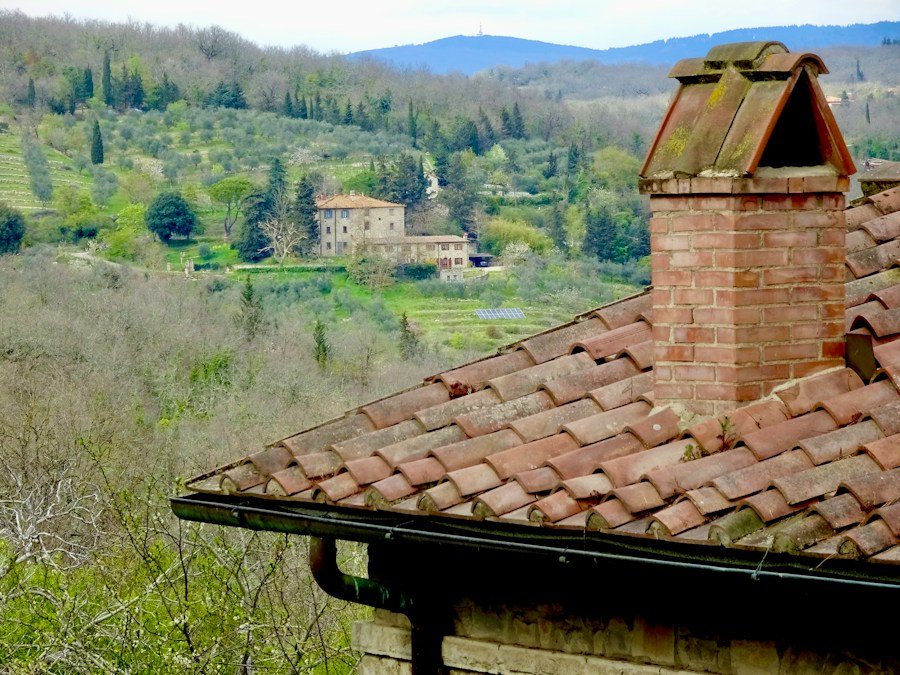
When Paterson’s silk money moved uphill, it built here. The district’s houses on Broadway, Derrom Avenue, Park Avenue, East Park Drive and Overlook Drive date from 1860 to 1953 and lean to Dutch Colonial and Colonial Revival, then Tudor, with Italian Renaissance homes in clay tile and work by architects such as Fred Wesley Wentworth. Slate, copper valleys and massive stone or brick chimneys are typical, and visible changes need Historic Preservation Commission review.
Manor Section (3rd Ward)
East of East 33rd Street and north of Broadway, the Manor Section continued Eastside Park’s residential growth on quieter blocks, with single-families and two-families that are generally simpler than the mansions near the park. Pitched asphalt roofs, some over earlier slate or wood shingle, are common. Typical repairs are worn step flashing at dormers, chimneys that lost their crowns, and second shingle layers that are failing together on houses that have never had a full tear-off.
Sandy Hill, Near Eastside and People’s Park (5th Ward)
The 5th Ward filled in with workers’ frame houses on narrow lots, and 21st Avenue became its shopping street, with storefronts below and flats above. The rear roofs are the classic Paterson low-slope type, built to drain toward a single scupper. Houses stand inches apart, so seams between neighbouring roofs, storefront parapets with rusted coping and leaders that empty at old stone foundations are the repairs we make most often.
Northside, Totowa Section and Hillcrest (1st and 2nd Wards)
On the hills north and west of downtown, Paterson’s later growth produced the Northside’s steep streets of frame multi-families with views toward New York, the dense Totowa Section near the river bends, and Hillcrest, a middle-class enclave of colonials and capes with more owner-occupied homes. Pitched shingle roofs with dormers and brick chimneys dominate Hillcrest, while the Northside and Totowa Section mix gables, mansards and low-slope rear roofs on tight lots.
South Paterson and Lakeview (6th Ward)
The 6th Ward grew along Main Street toward the Clifton line, with brick mixed-use buildings on the avenue and two-families and single-families behind them; Lakeview is home to the Paterson Farmers Market. The commercial roofs are flat, often with air-conditioning units and sign mounts added long after construction. On the residential streets, early twentieth century frame houses with pitched roofs show the same flashing and shingle wear as neighbouring Clifton.
Paterson at a glance
A Mill Town Built Fast and Dense: Paterson’s Housing in Six Facts
The houses that went up for Paterson’s mill workers between the 1880s and the 1920s still set the terms for roofing here: tight lots, many households per building and a city where about three in four homes are rented. Around that core sit an Eastside Park district of slate-roofed revival houses for the owners and managers, and a river that has flooded the lower wards three times since 2011.
Population (2020 Census)
159,732
Census QuickFacts. New Jersey’s third-largest city fits on 8.41 square miles of land, the legacy of workers’ housing packed within walking distance of the mills.
Owner-occupied homes
26.2%
Census QuickFacts, 2019-2023. Paterson was built as a renters’ city and still is, so most roof decisions rest with landlords or owners living on the first floor.
Median owner home value
$335,400
QuickFacts 2019-2023 estimate; the ACS 2024 one-year figure is $387,400. Owners of century-old multi-families weigh each repair against rents and building age.
Persons per household
3.14
Census QuickFacts, 2019-2023. Full top-floor apartments under old flat roofs mean a single failed seam quickly reaches a bedroom ceiling and a tenant.
Eastside Park Historic District
790 buildings
Contributing buildings in the National Register nomination, built from 1860 to 1953. Paterson made it a municipal historic district on May 28, 2014.
Passaic County median year built
1956
The oldest of all 21 New Jersey counties, per ACS 2023 estimates, and Paterson’s mill-era wards hold much of that county’s oldest housing.
Paterson weather
Floods and Storms That Tested Paterson’s Old Roofs Since 2011
Buildings put up more than a century ago in a river bend have now faced three major Passaic River floods in twelve years, from Irene in 2011 to Ida in 2021 and the storm of December 18, 2023, along with deep snow and constant freeze-thaw. Floodwater is a matter for flood insurance, but every one of those storms also brought wind and rain onto Paterson’s roofs.
Irene, August 27-30, 2011
Irene raised the Passaic to levels Paterson had not seen in about a century. Evacuations were ordered, shelters opened and a bus was stranded on a small downtown bridge. Upstream at Little Falls the river crested at 14.19 feet, second only to the flood of 1903. Days of wind-driven rain soaked the low wards, and many owners of flooded river-ward houses later found roof and attic damage from the same storm.
Ida, September 1-2, 2021
Ida’s remnants dropped 7.14 inches on neighbouring Little Falls. In Paterson, responders made about 300 rescues and water covered River Street beside the Passaic. On rooftops the failure was capacity: rear roofs built to drain through one small scupper overflowed into walls and top-floor ceilings, even where the membrane had no hole. Many Paterson leak calls that week turned out to be drainage failures.
December 18, 2023 coastal storm
A December storm sent the Passaic over 10 feet in Paterson, a crest the mayor called the highest in recent history. Firefighters ran amphibious trucks down East Holsman Street and rescued 31 people there, and families lost power and heat. Wind-driven winter rain also worked into loose parapet caps and open seams across the city, damage many owners found only when ceilings stained days later.
January 22-23, 2016 blizzard
Passaic County received roughly 17 to 23 inches. On Paterson’s low rear roofs, drifts piled against parapets and the taller walls of neighbouring houses, then melted and refroze in scuppers and leaders. Ice in those outlets backs water under the flashing. On the pitched roofs of Hillcrest and the Northside, ice formed at eaves above poorly insulated attics, a weakness of many houses from that building era.
Freeze-thaw on century-old masonry
Passaic County has the oldest housing stock in New Jersey, and in Paterson’s valley the temperature crosses freezing many times each winter. Water soaks into soft historic mortar and old brick, freezes and pushes them apart. The damage appears in spring as loose coping, cracked chimney crowns and flashing that no longer seals, which is why we recommend a spring masonry check on Paterson’s older buildings.
What we fix in Paterson
How Paterson’s Old Building Methods Fail on Today’s Roofs
Most leaks in Paterson trace back to how its houses were first built: low rear roofs draining to one outlet, houses set inches apart, soft lime mortar in parapets and chimneys, and slate fastened with iron nails a century ago. Later layers of patching, rooftop equipment and heavier storms have exposed every one of those details.
The single-scupper rear roof
Builders of Paterson’s frame multi-families sloped the rear roof gently toward one scupper and one leader, sized for the rainfall of their day. Leaves, grit and loose patch material now block that outlet, and storms like Ida in 2021 deliver more water than it can carry. Water rises over the base flashing and into walls. Clearing the outlet, adding an overflow scupper and enlarging the leader often stop leaks that years of patching never did.
Generations of tar patches
A Paterson rear roof that has passed through several landlords usually carries layer on layer of roofing cement over old modified bitumen or rolled roofing. Every patch hides the defect beneath it and holds moisture against the deck. We probe the deck, cut out the failed patches rather than burying them, and tell you plainly whether a seam repair will last or whether the membrane has reached the end.
Houses built inches apart
Mill-era lots in Riverside, Sandy Hill and the Totowa Section left neighbouring houses nearly touching, and roofs often meet at a strip of flashing or tar that each owner patched separately. Water entering one roof can surface in the house next door. We trace stains upward from the ceiling and photograph the defect with the property line in view so both owners work from the same evidence.
Soft old mortar in parapets and chimneys
Paterson’s nineteenth and early twentieth century brick was laid in mortar softer than modern mixes, and a river-valley winter freezes and thaws it many times. Joints open, brick faces spall and counter flashing pulls out. On Downtown blocks, mill buildings and old chimneys across the city, the fix is repointing with a compatible mortar, a sealed cap or coping and new counter flashing cut into the joints.
Iron nails under century-old slate
Eastside Park’s slate roofs were fastened with iron or steel nails that rust long before good slate wears out. Slates slip, valleys of tin or copper wear through and built-in gutters split. The stone itself usually has years left. Replacing slipped and broken pieces with matched salvage slate on copper hooks and renewing valleys and flashing keeps the original roof working, as the city’s preservation guidelines prefer.
Equipment the original builders never planned for
The storefront roofs of Main Street, 21st Avenue, Market Street and Broadway were built for nothing heavier than a skylight. Decades of air-conditioning units, exhaust fans, sign brackets and dish mounts were then fastened through the membrane or into the parapet, often without curbs or pitch pans. Re-flashing curbs, removing abandoned mounts and sealing their holes solves many Paterson commercial leaks.
Paterson rules
Permits and Historic Review for Paterson’s Older Buildings
Permits & local review
For a detached one- or two-family house in Paterson, repairing or replacing the roof covering is ordinary maintenance under N.J.A.C. 5:23-2.7 and needs no construction permit. Many of the city’s mill-era buildings fall outside that rule. Paterson’s Construction Code Enforcing Agency, part of the Community Improvements Division of the Department of Community Development, requires a permit for three-family and larger buildings, attached and mixed-use buildings, commercial roofs, sheathing or rafter replacement and any third layer. City code also requires a tax collector certification that municipal taxes are current before a construction permit is issued.
Historic review is a separate step. The Historic Preservation Commission reviews exterior changes in municipal districts and on landmarks, including Eastside Park (designated May 28, 2014), the Great Falls Historic District and the Downtown Commercial district. Its Eastside Park guidelines put it simply: the first choice is the same or similar material. Matching slate and clay tile are encouraged, asphalt over slate is discouraged, and skylights or solar panels visible from the street are not permitted. Staff can approve minor work that follows the guidelines with a Certificate of No Effect; bigger changes need a Certificate of Appropriateness. Every demolition in the city needs HPC approval, and flood-damaged buildings in mapped flood zones may face substantial damage review.
Insurance claims
Homeowner and landlord policies usually pay for sudden roof damage in Paterson, such as wind-lifted coping, a fallen limb or the weight of ice and snow, and usually not for wear, age or long-running leaks. On a century-old building, that line between storm damage and age matters more than anywhere, so we document both separately. River floods add a second line: Passaic River water entering basements and first floors, as in Irene, Ida and December 2023, falls under a flood policy, while rain coming through a storm-damaged roof is a property-policy claim. Many Paterson multi-families are insured on dwelling-fire or landlord forms that handle interior damage and lost rent differently from a homeowner form, so read the declarations page. Your policy and agent have the final word.
Roofing services
Our Twelve Roofing Services, Fitted to Paterson’s Building Types
Every one of our twelve services is available in Paterson, and most jobs here pair flat-roof and leak work on mill-era multi-families with masonry flashing, storm repairs and slate in Eastside Park. Each card explains how the service suits the city’s older buildings.
Roof Leak Repair in Paterson
Leaks in Paterson’s closely built houses often travel along a parapet or across to the neighbouring roof before showing inside. We follow the stain from the top-floor ceiling up, test scuppers, seams and penetrations, and photograph the true source so owners and tenants know what failed.
Emergency Roof Repair in Paterson
When river-valley rain, a fallen limb or a December storm opens a Paterson roof, send an emergency request through our contact page at any hour. We tarp the opening, clear blocked scuppers and seal loose flashing to keep water out of occupied apartments.
Storm Damage Roof Repair in Paterson
Storms like Irene, Ida and December 2023 leave lifted coping, peeled membrane edges, torn shingles on hilltop houses and limb punctures. We record each item with dated photos for your insurer and separate new storm damage from the wear an old building already had.
Roof Replacement in Paterson
When a mill-era rear roof is more patch than membrane, a new modified bitumen, EPDM or TPO roof with better drainage is the lasting fix. Three-family and attached buildings need a Paterson construction permit, which we obtain; detached one- and two-families do not.
Roof Inspection in Paterson
Our free Paterson inspection covers the roof surface, parapets, coping, scuppers, leaders, chimneys, rooftop equipment and top-floor ceilings, with notes on the building’s age and past repairs. Buyers of older multi-families use it before closing, and landlords before a unit turns over.
Flat Roof Repair in Paterson
The low-slope rear roof is Paterson’s signature building detail. We repair modified bitumen, EPDM, TPO and old built-up roofs, re-flash parapets and drains and rebuild seams between neighbouring houses. Our flat roof repair page explains each method.
Metal Roof Repair in Paterson
Paterson’s metal is mostly parapet coping, mansard faces, porch roofs and old standing-seam on mill and Downtown buildings. We refasten and reseal seams, replace rusted sections in matching profiles and coat sound metal so it keeps shedding water for years.
Slate Roof Repair in Paterson
Eastside Park’s revival-style houses still wear much of their original slate. We replace broken pieces with matched salvage slate on copper hooks, rebuild valleys and re-flash chimneys, which follows the Paterson HPC’s preference for keeping slate in place.
Shingle Roof Repair in Paterson
Hillcrest colonials, Manor Section houses and Northside two-families carry asphalt shingles, often over old board sheathing. We replace wind-lifted shingles, fix dormer and wall step flashing, swap cracked pipe boots and count existing layers before quoting.
Roof Cleaning in Paterson
On Paterson’s flat roofs, cleaning means clearing leaves, grit and old patch debris from scuppers and drains. On shaded Eastside Park slate under mature trees, we remove moss by hand without pressure washing the stone or forcing water under the courses.
Gutter Repair in Paterson
Many Paterson leaders run down narrow side passages and empty at old stone foundations. We re-hang and resize gutters, connect rear-roof scuppers to proper leaders, reline built-in gutters on Eastside Park homes and add overflow paths sized for Ida-type rain.
Commercial Roofing in Paterson
Downtown commercial blocks, Main Street and 21st Avenue storefronts, churches and mill-district businesses run on low-slope roofs behind brick parapets. We repair and replace commercial membranes, flash equipment curbs and pitch pans and handle the permits commercial work requires.
Pricing · updated November 2026
What Repairs Cost on Paterson’s Older Roofs
As of November 2026, most Paterson roof repairs cost between $350 and $2,500, and the commonest are seam, scupper and parapet repairs on mill-era two- and three-families. Eastside Park slate, rotted decks and permit-required work on three-family and mixed-use buildings cost more. Use them for budgeting; a free inspection of your Paterson building produces the real figure in writing.
Shingle and small repairs
$350 – $800
A few wind-lifted shingles on a Hillcrest colonial or a Northside front gable, resealed tabs and a look at the flashing around them. Steep streets and tight side yards in the 1st and 2nd Wards can add ladder time.
Pipe boots and vent flashing
$250 – $600
New boots or flashing at plumbing vents, bath fans and old kitchen exhausts on multi-family rear roofs, where each apartment added its own penetration over the decades and the rubber collars crack in summer heat.
Single-source leak repair
$400 – $1,500
Finding and fixing one leak at a scupper, a seam between houses, an equipment curb or a skylight. Leaks crossing between nearly touching houses in Sandy Hill or Riverside take longer to trace and document.
Flat-roof patch, seam or scupper
$400 – $2,500
Patching modified bitumen or EPDM, rebuilding a scupper and leader, re-flashing parapet bases and replacing rusted coping on frame multi-families and on Downtown or Main Street commercial blocks.
Chimney and skylight re-flashing
$400 – $1,800
Budget $400 to $1,200 for a skylight and $600 to $1,800 for a chimney. Eastside Park’s large stone and brick chimneys need flashing let into soft historic mortar, and crowns often need rebuilding too.
Slate, valley and deck repair
$500 – $2,500+
Matched salvage slate in Eastside Park, rebuilt valleys ($500 to $1,500) or a rotted section of old plank deck ($500 to $2,000+). Deck work on three-family buildings needs a city permit, adding time and fees.
What moves the price in Paterson
- Number of units. A detached one- or two-family needs no permit for covering work; a three-family, attached or mixed-use building does, adding fees, the tax certification step and an inspection.
- Historic district rules. In Eastside Park, the Great Falls district and Downtown, matching slate, clay tile or original details costs more than standard materials, and review adds lead time.
- Old plank decks. Boards under century-old rear roofs often have soft areas that only show once the membrane is opened.
- Access on narrow and steep lots. Many Northside and Totowa Section houses have no driveway, so materials go up by ladder or hoist from the sidewalk.
- Patch history. Roofs carrying years of tar patches take longer to open and repair properly than a clean membrane.
- Masonry condition. Parapets and chimneys in soft old mortar may need repointing or new caps before flashing can hold.
- Rooftop equipment. Storefront roofs often need curbs and abandoned mounts dealt with before the membrane can be sealed.
- Drainage upgrades. An overflow scupper or larger leader costs extra and often prevents the next Ida-type leak.
Paterson prices shown are planning ranges for November 2026, not quotes, taken from our site-wide repair ranges, Roof Observations’ New Jersey cost guide of January 2026 and Fixr’s 2026 replacement data for the state. A written itemized quote follows your free inspection. Read more in our roof repair cost guide.
Who does the work
Why Paterson Homeowners Choose Roof Repair SNJ
- Repairing NJ roofs for 25+ years
- General liability + workers’ comp insurance
- Workmanship warranty: 2 years on repairs, 10 years on full replacements, in writing
- Photo report with every inspection
Check any roofer before you sign in Paterson
Ask for the 13VH registration number and confirm it on the NJ license lookup. NJ law requires a signed written contract showing the registration number and total price, and gives you until midnight of the third business day to cancel (N.J.S.A. 56:8-151).
Nearby
How Neighbouring Towns Were Built Differently From Paterson
The towns around Paterson mostly grew later and looser, as suburbs rather than mill neighbourhoods, so their roofs are simpler and more often pitched. See our roof repair in Clifton page for the city’s largest neighbour, or the Passaic County roof repair page for the rest of the county.
Clifton
Clifton filled in mainly from the 1920s to the 1960s with detached capes, colonials, splits and ranches, and has far fewer three-families than Paterson. Its typical calls are shingle, pipe boot and dormer flashing repairs rather than mill-era flat-roof membrane work.
Haledon and Prospect Park
These small boroughs on the hills north of Paterson grew alongside it with dense two-families and single-families on steep streets, much like the Northside. Pitched asphalt roofs over old board sheathing and low-pitch porch roofs are the usual repairs.
Totowa
Across the Passaic to the west, Totowa is mostly post-war detached ranches and splits plus commercial roofs along Route 46. Its low areas near the river share Paterson’s flood exposure, but the roofs are mostly simple shingled gables.
Woodland Park
Woodland Park, the former West Paterson, climbs Garret Mountain with post-war houses and later townhome and condo complexes. Attached townhomes there need permits for roof work, and hillside exposure brings more wind-lifted shingles than in Paterson’s valley.
Fair Lawn and Elmwood Park (Bergen County)
East of the river, Fair Lawn is largely detached colonials and capes, including the planned 1920s Radburn section, and Elmwood Park mixes capes with two-families. Both have fewer flat roofs and far more owner-occupied homes than Paterson.
Service areas
Roof Repair Near Paterson: Passaic County Service Areas
We serve Paterson and every town around it. Bordering towns we also cover include Haledon, Hawthorne, Prospect Park, Totowa, Woodland Park, Elmwood Park (Bergen County), Fair Lawn (Bergen County). See all of Passaic County on our Passaic County roof repair page or browse every county on the New Jersey service areas page.
In depth
Old House, New Roof: Paterson Building Types in Depth
The mill-worker’s three-family: repairing its low rear roof
Most rear roofs on Paterson’s mill-era three-families can still be repaired if the deck is sound and the leaks trace to a few points. These houses were built quickly for the workers who filled the silk mills, usually with a short front gable or mansard facing the street and a long, nearly flat roof behind it. The original covering was tar and gravel or rolled roofing, drained toward a single scupper and a narrow leader in the side passage. Most have since been re-covered in modified bitumen, sometimes more than once, and patched at every vent stack that each apartment added over the decades.
We begin with drainage, because a roof that holds water fails at its weakest point however good the patch. That means clearing the scupper and leader, checking for sags where old rafters have settled, and finding a second way off the roof. Then we cut out loose patches rather than burying them, probe the old plank deck and take a core where it feels soft, and repair with matching membrane installed to the manufacturer’s method. Base flashing is run well up the parapet or the neighbouring wall and tucked under coping or counter flashing.
When more than about a third of the roof is blistered, soft or patched, or the boards are rotted in several places, a new roof is the better investment. Because a three-family is not a detached one- or two-family house, a full replacement or deck work needs a permit from Paterson’s construction code agency, and the city wants proof that property taxes are current before issuing it. We handle the application. Ask for photos of the deck once it is opened, and for an overflow scupper. The rescues and River Street flooding during Ida in 2021 showed how quickly an old single outlet is overwhelmed. Our flat roof repair page covers the materials in more detail.
Slate and clay tile on an Eastside Park revival house
Slate and clay tile on an Eastside Park house are nearly always worth repairing, and Paterson’s preservation commission prefers it. The district’s 790 contributing buildings were built between 1860 and 1953 for the people who owned and ran the mills, and they lean toward Dutch Colonial and Colonial Revival designs, with Tudor Revival second and Italian Renaissance homes in clay tile, such as the green Roman tile at 799 Broadway. Architects including Fred Wesley Wentworth worked here. Many houses on Derrom Avenue, Park Avenue, East Park Drive and Overlook Drive were roofed in slate, with copper or tin valleys and heavy stone or brick chimneys.
The stone and tile often have decades left. What fails are the iron nails, the valley metal, the chimney flashing and the built-in gutters. Good repair replaces broken slates with salvage of the same size, colour and thickness, fixed with copper hooks or nailed and covered by the course above. Crews work from roof ladders and hooks, never walking on the stone. Valleys are rebuilt in copper, chimneys get new step and counter flashing let into the mortar, and gutter linings are renewed. Tar smeared over slate is the mark of the wrong contractor. For tile, broken pieces are replaced with matching or salvaged tile, and the Commission’s guide suggests inspecting tile roofs about every five years.
Since Eastside Park’s municipal designation on May 28, 2014, exterior changes need HPC review before a permit is issued. Like-for-like repair is the simplest path, and minor applications that follow the guidelines can be approved by staff with a Certificate of No Effect. Replacing slate with asphalt is discouraged; if it is the only practical option, the guidelines ask for a product that closely imitates slate. Skylights and solar panels visible from the street are not permitted. If your slate seems near the end, ask for a written count of failing pieces and a check for delamination before anyone proposes a tear-off. Our slate roof repair service works this way.
Between tenants: renewing the roof on a century-old rental
The best moment to repair a Paterson rental roof is between tenants, when the top-floor ceilings and the roof can be opened and checked together. Paterson was built as a city of renters and remains one, with about three in four homes rented and households averaging more than three people. In a building that old, a small leak above a top-floor bedroom soon becomes stained plaster, mould and a complaint. The city’s code includes a chapter on certificates of re-rental and compliance, so units are expected to be in sound condition between tenancies, and an active ceiling stain is the sort of defect that gets noticed.
Our free landlord inspection covers the roof surface, scuppers and leaders, parapets and coping, every vent and exhaust that tenants and previous owners added, and the top-floor ceilings and closets. We note what era the roof and its patches seem to date from, photograph each item and write it up so you can decide what to fix now and what to budget for. On a detached two-family, roof covering work is ordinary maintenance and needs no construction permit. On a three-family or a building attached to its neighbour, deck work and replacement need a permit, which takes time, so start early when a lease date or closing is near.
Owners who live on the first floor face the same choice as any landlord: a targeted repair now, or a replacement that ends years of patching. If the old deck is sound and the leaks trace to two or three points, repair. If the roof is soft, ponds across large areas or carries several layers, a new membrane with better drainage usually costs less over the building’s remaining life than repeated emergency visits, and a reflective surface cools the top apartment in summer. You can book a landlord roof inspection in Paterson through our contact page.
After a Passaic River flood: the roof on an old river-ward house
Floodwater seldom reaches a Paterson roof, but the storms that cause river floods always do, and roof damage is easy to miss in the weeks of cleanup that follow. The river wards were laid out close to the Passaic because that is where the mills needed workers, and the houses there have now lived through Irene in 2011, Ida in 2021 and the storm of December 18, 2023. Each paired river flooding in the low blocks with wind and hours of heavy rain across the city. Owners understandably deal with basements, boilers and first floors first, and a roof leak that began the same night is noticed only when a ceiling stains.
Once it is safe, check from the ground for missing coping or flashing on parapets, shingles or ridge caps in the yard, gutters pulled away from old fascia boards and limbs resting on the roof. Inside, look at top-floor ceilings and closets. On low rear roofs, debris washed into the scupper can block the next rain. We photograph each item with dates, which matters because flood policies and property policies cover different damage.
One more rule applies to older homes in mapped flood zones. If a flooded building is substantially damaged, meaning repair costs reach about half the building’s value, floodplain rules can require the whole structure to be brought into compliance before it is repaired. Roof work is usually a small share of that total, but it counts, so give the city’s construction office the full scope and keep the roof estimate separate from the flood estimate. For immediate help, request emergency roof repair and we will tarp and dry in the roof while the rest of the recovery is planned.
Brick commercial blocks Downtown and on Main Street and 21st Avenue
Paterson’s brick storefront buildings were built with flat roofs behind tall parapets, and most of their leaks come from the edges and from equipment added long after construction. The Downtown Commercial Historic District around Market Street and City Hall, and the later commercial strips along Main Street in South Paterson and 21st Avenue in People’s Park, share the same pattern: shops below, flats or offices above, a bulkhead stair or hatch to the roof, and a parapet capped in stone, terra cotta or metal. Over the decades owners and tenants added air-conditioning units, exhaust fans, sign brackets and dish mounts, many without proper curbs or flashing.
Our inspection starts at the parapet: the cap or coping, the soft historic mortar joints and the base flashing where the membrane turns up the wall. Then we check each curb and pitch pan, the drains or scuppers and the leaders that carry water to the street. Typical repairs are re-flashing curbs, removing abandoned mounts and patching their holes, resealing coping laps, repointing parapet joints with a compatible mortar, rebuilding a drain bowl and replacing torn base flashing. When the field membrane is worn out, we price a full replacement in modified bitumen, TPO or EPDM.
Commercial work always needs a construction permit in Paterson. Buildings in the Downtown Commercial Historic District also go through the Historic Preservation Commission when the work changes anything visible, such as parapet caps, cornices or rooftop additions, so plan in-kind materials where they show. Because these buildings share walls, we also check how each roof meets the one next door. Our commercial roofing service covers the full range of low-slope systems.
FAQ
Roof Repair in Paterson, NJ: Frequently Asked Questions
My Paterson two-family was built around 1920. Do I need a permit to replace its roof?
Not if it is a detached two-family. Replacing roof covering on detached one- and two-family homes is ordinary maintenance under New Jersey’s code, up to two layers. Paterson three-families, attached houses and mixed-use buildings need a permit from the city construction code agency, and replacing old plank decking always does.
Does the Paterson Historic Preservation Commission review roof work on older homes?
Yes, in municipal districts such as Eastside Park, the Great Falls district and the Downtown Commercial district, and on landmarks. In-kind slate or tile repair is the easiest approval, and staff can sign off minor work. Changing slate to asphalt is discouraged and needs fuller review.
Can a historic Eastside Park house have solar panels or a skylight?
Only where they cannot be seen from the street. The Paterson HPC’s Eastside Park guidelines accept skylights and solar on rear or hidden roof slopes but do not permit them where visible from the public right-of-way. Check with the Commission before ordering anything for a Derrom Avenue or Park Avenue home.
What does it cost to repair the flat rear roof of an old Paterson three-family?
Most seam, scupper and parapet flashing repairs on Paterson two- and three-family rear roofs cost $400 to $2,500 as of November 2026. A full new membrane costs more and needs a city permit on a three-family. Rotted plank decking adds cost. A free inspection gives you a written number.
Our Riverside houses almost touch. Who pays when the leak starts on the neighbour’s roof?
The owner whose roof has the defect, in most cases. Paterson’s mill-era lots in Riverside, Sandy Hill and the Totowa Section left houses inches apart with shared roof seams, so water can enter one roof and show up next door. We photograph the source and the property line for both owners.
Is roof damage from the December 2023 Paterson flood covered by insurance?
Roof damage from that storm’s wind and rain is normally a property-policy claim, while Passaic River water entering the building is covered only by flood insurance. Paterson owners should document roof and ceiling damage separately from flood damage, with dated photos, and confirm the details with their own agent.
Why does the top floor of my old Paterson building leak only in heavy rain?
Usually the roof cannot drain fast enough. Paterson’s older rear roofs were built with one small scupper and leader, and in downpours like Ida water rises over the base flashing at parapets and walls. Clearing the outlet, adding an overflow scupper or enlarging the leader often stops it without a new roof.
Should a century-old Eastside Park slate roof be repaired or replaced?
Repaired, in most cases. Eastside Park slate often has decades left while the iron nails, valleys and flashing wear out. Replacing broken slates with matched salvage and rebuilding valleys and chimney flashing costs far less than new slate and fits the Paterson HPC’s guidelines for the district.
What paperwork does Paterson need before it issues a roofing permit?
Paterson city code requires a certification from the tax collector that municipal taxes and assessments are current before a construction permit is issued. Historic properties also need HPC review first. We prepare the roofing application for jobs that need a permit, such as three-family replacements and deck work.
Do you work on the older colonials and capes in Hillcrest and the Northside?
Yes. Hillcrest and the Northside have more pitched-roof single-families and two-families than the river wards, on hilly streets west and north of downtown. Typical repairs there are wind-lifted shingles, dormer step flashing, worn pipe boots and ice at eaves above poorly insulated older attics.
Why does the roof of my Main Street storefront leak around the air conditioner?
Paterson’s brick storefronts on Main Street, 21st Avenue and Market Street were built long before rooftop units, and many curbs were added without proper flashing. We re-flash the curb, remove or seal old mounts nearby and check the drains. Commercial roofing work in Paterson requires a construction permit.
How quickly can you tarp an old Paterson roof after a storm?
Send an emergency request through our contact page at any hour, with photos if you can take them safely. We schedule tarping for open or punctured Paterson roofs as soon as crews can reach you, putting occupied apartments with water coming in first, then plan the permanent repair.
Reviewed by the Roof Repair SNJ team · Last updated November 2026
Free inspection
Book a Free Inspection for Your Paterson Roof
Whether it is a patched rear roof on a Riverside three-family, slate on Derrom Avenue or a brick storefront on 21st Avenue, we will photograph the whole roof, explain how it was built and what failed, and give you a written itemized quote. Request your free Paterson roof inspection or send photos through our contact page. Repairs carry a 2-year written warranty and full replacements 10 years.
No pressure and no obligation. If a repair will do, we’ll tell you.
Roof Repair SNJ
- Serving Paterson and all of Passaic County
- Request roof service in Paterson
- Mon–Fri 5:00 AM–10:00 PM · Sat 5:00 AM–6:00 PM · Emergencies 24/7
Sources: U.S. Census Bureau QuickFacts: Paterson city, New Jersey · Census Reporter: Paterson, NJ (ACS 2024 1-year) · City of Paterson Historic Preservation Commission · Paterson HPC: Eastside Park Historic District guidelines (2015) · National Register nomination: Eastside Park Historic District · Paterson Code: Construction Code Enforcing Agency (eCode360) · Wikipedia: Paterson, New Jersey (wards, sections, landmarks) · WBUR Here and Now: Paterson residents struggle with flooding (Irene, 2011) · ABC7 NY: Paterson flooding after Ida (2021) · ABC7 NY: Rescues as the Passaic River crests (December 2023) · Office of the NJ State Climatologist: Ida remnants strike New Jersey · NWS MARFC: Passaic River at Little Falls top crests · Office of the NJ State Climatologist: January 2016 blizzard · Stacker: Counties with the oldest homes in New Jersey · N.J.A.C. 5:23-2.7 Ordinary maintenance (Cornell LII) · Roof Observations: New Jersey roof cost guide (Jan 2026) · Fixr: Roof replacement cost in New Jersey (2026). Prices are planning ranges, not quotes. Permit and insurance information is general guidance; your town, policy and agent have the final word.