
Roof Repair NJ › NJ Locations › Passaic County › Passaic
Passaic Park · Eastside · Main Avenue · 07055
Roof Repair in Passaic, NJ: From Passaic Park to the Dundee Canal
Roof Repair SNJ works street by street across the City of Passaic, fixing flat rear roofs on Eastside two- and three-families, slate and steep gables on Passaic Park’s Queen Anne and Tudor houses, and mixed-use roofs along Main Avenue and Broadway. We start on the sidewalk and finish on the roof: a free inspection with dated photos, a written itemized quote, and a 2-year written warranty on the repair.
- Flat rear roofs on two- and three-families
- Passaic Park slate, gables and box gutters
- Free photo inspection, written itemized quote
Free roof inspection in Passaic
Photos of every problem we find and an itemized written price before any work. Emergency requests handled 24/7.
Roof Repair SNJ
Passaic · Passaic County · all 21 NJ counties
Free inspection
Roof, attic and gutters checked at no cost.
Insured
Liability and workers’ comp; certificate on request.
Written quotes
Itemized price in writing before any work.
Photo-documented
Every problem photographed, before and after.
Neighborhoods & homes
Roofs Along Passaic’s Streets, Section by Section
Start in Passaic Park and the houses are big, steep and often slated; drive toward the river and they become tight rows of two- and three-families with flat rear roofs, ending at mill buildings along the Dundee Canal. Here is what we find on the roofs in each part of the city.
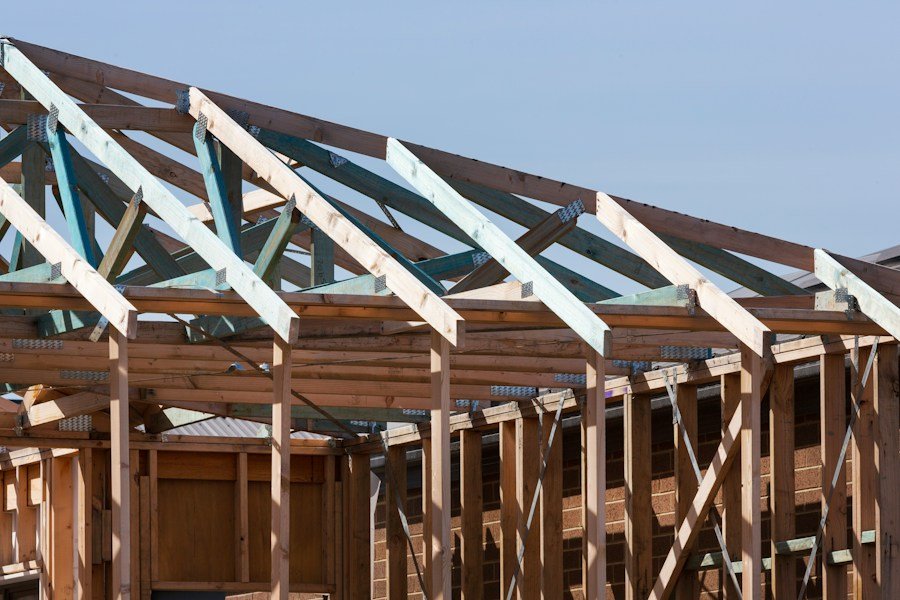
Passaic Park
Head up Main Avenue past the Passaic rail station and the houses grow larger: Queen Anne and Tudor homes with turrets, steep cross gables, slate and wide porches. Much of the city’s Orthodox Jewish community lives here, and many houses have been enlarged with rear additions and dormers. On these roofs we repair slate, rebuild copper or lined box gutters, re-flash big brick chimneys and seal the joints where newer additions meet the original roof.
Eastside and the Dundee section
Down by the river, the Eastside or Dundee section filled with housing once the Dundee Dam and Canal opened in July 1861 and the mills followed. Narrow lots carry frame two- and three-families, many with a shingled front and a nearly flat rear roof. Around Pulaski Park and Dundee Island Park the houses sit inches apart, so we chase leaks across shared seams, clogged rear scuppers and leaders that spill into a neighbour’s alley.
Botany mill blocks: Dayton Avenue and Mattimore Street
Along Dayton Avenue and Mattimore Street, the Botany Worsted Mills Historic District marks the old woolen mills that employed thousands. Around them, worker housing and small apartment buildings carry low-slope roofs with brick parapets. The mill-scale buildings themselves have large flat roofs, monitors and old skylights. Typical work here is parapet cap and base flashing repair, drain replacement and membrane patches on long-neglected industrial roofs being reused.
Numbered streets near the Eighth Street Bridge
Turn onto Third Street and you pass St. Stephen’s Magyar Church at 223 and St. Peter’s and St. Paul’s Russian Orthodox Church at 200, reminders of the immigrant parishes that grew around the mills. The blocks near the Eighth Street Bridge hold attached and closely spaced frame houses. During Ida in September 2021, water rushed down Hadley and Third Street, so we look closely at gutters and leaders that drain toward foundations here.
Downtown: Main Avenue, Broadway and Lexington Avenue
Main Avenue runs from Passaic Park to downtown and Broadway crosses the city east to west. Their storefronts carry apartments above and flat roofs behind parapets, with bulkheads, old skylights and rooftop units. The People’s Bank and Trust building at 663 Main Avenue and St. John’s Lutheran on Lexington Avenue are register-listed. Leaks here start at parapet copings, pitch pans and roof drains, and work has to be planned around shop hours.
The Hill section and the older First and Fourth Wards
The Hill section was where Passaic’s industrial leaders built from the mid-1870s through about 1910, while the First and Fourth Wards filled in toward the end of the 1800s. Expect larger Victorian frame houses, some converted to apartments, with steep slopes, slate remnants, ornate cornices and internal gutters. The city still counts these wards, with the Second Ward, among its most densely populated. Roof work often means matching old details while stopping leaks.
Second and Third Wards
The Second Ward developed rapidly in the early 1900s and was largely Italian and Jewish into the 1940s; the Third Ward was the last part of the city to build up, once considered too far from the center. Here the two-families, singles and small apartment buildings are a little younger than on the Eastside. Shingle front slopes over rear flat roofs, dormer flashing and two-layer roofs at the code limit are the common findings.
River Drive, Washington Park and the apartment towers
Along River Drive and Route 21, past the old YMCA at 45 River Drive and Washington Park at Acquackanonk Landing, the city meets the Passaic River. Large buildings dominate: Carlton Tower and Presidential Towers condominiums, the Barry Gardens co-op and Passaic Towers apartments. Their flat roofs, bulkheads and mechanical penthouses belong to boards and managers, and repairs there need a construction permit and careful coordination with residents.
Passaic at a glance
Passaic in Six Facts That Shape Its Roofs
Drive any block in Passaic and you see the numbers: old houses, almost touching, most of them rented and full of people. The city packs more than 70,000 residents into about three square miles along the Passaic River, and more than half its homes went up before 1940, so drainage, shared walls and tired decks decide most roof repairs here.
Population (2020 Census)
70,537
On 3.13 square miles of land, about 22,514 people per square mile, seventh-densest of New Jersey’s 565 municipalities and the densest in Passaic County.
Built before 1940
About 58%
NeighborhoodScout’s reading of Census data. Most of the city’s houses date to its mill era, so plank decks, brick chimneys and many layers of old patching are normal.
Owner-occupied homes
23.8%
Census QuickFacts, 2020-2024. About three in four Passaic homes are rented, so a landlord or association usually orders the roof work while tenants live with the leak.
Persons per household
3.29
QuickFacts 2020-2024, well above the state average. Busy households mean more cooking and bath moisture, more vents through the roof and more additions and dormers.
Median owner home value
$429,900
QuickFacts 2020-2024. Two- and three-family owners weigh roof cost against rental income, which keeps targeted repairs more common than full tear-offs.
Land border
Clifton only
Clifton wraps the city on three sides; across the Passaic River lie Garfield, Wallington, Rutherford and East Rutherford in Bergen County. ZIP code 07055 covers the whole city.
What we fix in Passaic
Roof Problems We Keep Finding Around Passaic
On most Passaic blocks the trouble sits at the back of the house: worn flat rear roofs, scuppers too small for a summer downpour, and seams shared with the house next door. Older chimneys, slate and the strain of very full households add the rest.
Flat rear roofs on two- and three-families
Behind nearly every Eastside and Dundee front gable sits a low-slope rear roof covered in rolled roofing, tar or old modified bitumen. With about 58 percent of Passaic housing built before 1940, many of these roofs have been patched for decades. Water ponds in the back corner, laps open and the plank deck goes soft. A clean cut-out and new modified bitumen beats another bucket of roof cement.
Seams with the neighbour’s roof
Houses in Passaic often stand a few feet apart or share a wall outright, and gutters, leaders and flashing cross the line. A neighbour’s overflowing gutter can soak your side wall, and a shared flat roof can carry their leak into your top floor. We photograph both sides so owners and landlords can agree on who fixes what before the next rain.
Drains that cannot keep up
Ida’s remnants on September 1 and 2, 2021 turned streets near Benson Court, Passaic Avenue and Third Street into rivers. On roofs, the same storm showed how fast one clogged scupper floods a flat roof behind its parapet. Larger scuppers, an overflow opening and 3 by 4 inch leaders that discharge away from basements are the cheapest storm protection a Passaic flat roof can get.
Vents, exhausts and additions
At 3.29 people per household, Passaic homes run kitchens and bathrooms hard. Every bath fan, dryer vent and kitchen exhaust is a hole in the roof with a boot or collar that eventually cracks. Rear additions and dormers built to fit growing families add more roof-to-wall joints. Many Passaic leaks trace to these penetrations rather than to the field of the roof.
Old chimneys and parapets
Mill-era brick chimneys and parapets soak up water, freeze and spall through Passaic winters, opening mortar joints behind flashing. Many chimneys no longer vent anything but were never capped. We repoint, rebuild crowns, cap unused flues and cut new counter flashing into the brick, which stops leaks that owners often blame on the shingles below.
Tenant-occupied roofs nobody watches
With roughly three in four homes rented, a small leak in a Passaic three-family can run for months before the landlord hears about it. By then the deck is soft and the ceiling is stained across two units. A yearly inspection and a simple way for tenants to report drips save more money here than any material upgrade.
Passaic weather
Storms and Seasons That Have Hit Passaic Roofs
Passaic’s roofs take the worst from intense rain that overwhelms flat-roof drains, from river flooding along the Passaic, and from winter snow and freeze-thaw on old brick. These dated storms and recurring conditions show why drainage comes first on our inspections here.
September 1-2, 2021: Ida in the city
Ida’s remnants intensified after 6 p.m. on September 1. In Passaic, a 70-year-old man drowned when floodwater overtook his car, two young adults were reported swept into a swollen brook near Benson Court and Main Avenue, and a resident at Passaic Avenue and Lackawanna found a flood line on his garage door. City pumps ran for hours. Flat roofs with blocked outlets overflowed into walls the same night.
August 2011: Irene and the Passaic River
Irene drove the Passaic River at Little Falls, upstream of the city, to 14.19 feet on August 30, 2011, the highest there since 1903. The river carries that water past Passaic’s riverfront along River Drive and Route 21. River floods enter buildings from below, a separate insurance matter from roof leaks, but they also drop trees and leave soaked eaves and siding on low riverside blocks.
January 23-24, 2016: the blizzard
Snow totals across Passaic County ran from 16.9 to 22.6 inches in that storm, per the state climatologist. On Passaic’s flat rear roofs, snow drifted against the back wall and sat for days. As it melted, water found every open lap and the joint where the flat roof meets the house. Clearing a path to the scupper and keeping leaders open through thaw prevents most of these leaks.
Winter freeze-thaw on mill-era brick
Temperatures in the southern Passaic County cities swing around freezing many times each winter. Old soft brick in chimneys and parapets absorbs rain, freezes and spalls, and ponded water at flat-roof edges cracks membranes as it freezes and thaws. Spring is when the damage shows indoors, so March and April inspections catch it before summer storms make it worse.
Summer cloudbursts and street trees
Short, heavy summer thunderstorms are when Passaic roofs fail most visibly. Water arrives faster than one scupper can drain, while wind drops limbs from street trees and the shade trees around Passaic Park and the city’s parks onto porch roofs and gutters. Trimming limbs back from roofs and upsizing outlets before July are the two jobs we recommend most.
Roofing services
Our Roofing Services on Passaic Homes and Buildings
On a typical week in Passaic, our work is flat-roof repair, leak tracing and drainage upgrades on two- and three-families, plus slate, chimney and gutter work on older Passaic Park and Hill section houses. All twelve services are available here; each note below explains how it fits Passaic.
Roof Leak Repair in Passaic
Passaic leaks often surface one floor or one unit away from their source. We follow stains from the ceiling up to the roof, test the rear wall joint, scupper, vents and chimney, and photograph the cause so the owner, landlord and tenant all see the same evidence before money is spent.
Emergency Roof Repair in Passaic
If an Ida-style downpour or a limb off a street tree breaks into a Passaic roof, mark your message urgent on our contact page, whatever the hour. The crew covers the opening, unclogs the back scupper and closes split flashing so the top-floor apartment stops taking water.
Storm Damage Roof Repair in Passaic
Storm damage here is mostly limb strikes, wind-lifted shingles on front slopes, peeled flat-roof edges and torn gutters. We document every item with dated photos for the insurer and separate fresh storm damage from long-term wear, which on old Passaic roofs is often the question an adjuster asks first.
Roof Replacement in Passaic
When a rear roof is more patch than membrane, or a front slope already has two layers, replacement is the honest fix. Detached one- and two-families need no permit for covering work; attached houses, three-families and larger buildings do, and we file it with the city.
Roof Inspection in Passaic
Our free inspection covers the front and rear roofs, chimneys, parapets, scuppers, gutters, leaders, vents and top-floor ceilings. Buyers of Passaic two- and three-families use it before closing, and landlords use it each spring to catch leaks before tenants report them.
Flat Roof Repair in Passaic
Walk behind almost any Passaic multi-family or downtown storefront and the roof is flat or nearly so. Blistered modified bitumen, cracked rolled roofing, EPDM and TPO all get patched or sectioned out, and we rebuild roof edges, parapet flashing and undersized scuppers. Details are on our flat roof repair page.
Metal Roof Repair in Passaic
Metal in Passaic means parapet coping, porch roofs, bay window caps, old tin on storefront cornices and some metal roofs on mill buildings. Loose pieces get new fasteners, open seams get resealed, rusted runs are cut out and replaced, and metal that is still sound gets a coating for more winters of service.
Slate Roof Repair in Passaic
Passaic Park and the Hill section still have slate on turrets, gables and steep main roofs. Cracked slates come out and matching stone goes in on copper hooks, valleys are rebuilt and chimneys get new flashing, keeping the original roof working instead of tearing off a material that can last generations.
Shingle Roof Repair in Passaic
Asphalt shingles cover the front slopes of most Eastside, Second Ward and Third Ward houses. Shingles that lifted or blew off get replaced, dormer and sidewall step flashing gets reworked, cracked vent boots come out, and we count the layers already on the roof before suggesting repair or tear-off.
Roof Cleaning in Passaic
On Passaic flat roofs, cleaning means clearing leaves, grit and old patching debris from the surface, scuppers and drains, and washing reflective coatings. On shaded Passaic Park slate and shingle slopes, we remove moss and debris gently without pressure washing.
Gutter Repair in Passaic
Narrow side yards mean Passaic gutters often discharge onto a neighbour’s wall or straight at a foundation. We rebuild box gutters on older houses, resize gutters and leaders, add extensions and splash blocks, and finish the roof edge with drip edge over a strip of ice and water shield.
Commercial Roofing in Passaic
Storefronts on Main Avenue and Broadway, churches, mill buildings near Dayton Avenue and the Dundee Canal, and apartment and condo buildings along River Drive need membrane, parapet and drainage work. We repair and replace commercial roofs, file permits and work around businesses and residents.
Passaic rules
Permits, Register Listings and Insurance for Passaic Roof Work
Permits & local review
A detached one- or two-family house in Passaic needs no permit to repair or replace its roof covering, because N.J.A.C. 5:23-2.7 treats that as ordinary maintenance; most other Passaic buildings do need one. Three-families and larger buildings, attached houses, mixed-use storefronts on Main Avenue and Broadway, condominiums such as Carlton Tower and Presidential Towers, co-ops such as Barry Gardens and every commercial roof go through the city’s construction code office. So does any job that replaces sheathing or rafters, and any proposed third layer, since two is the maximum.
Passaic has many buildings on the New Jersey and National Registers of Historic Places, including the Botany Worsted Mills Historic District on Dayton Avenue and Mattimore Street, the Dundee Canal Industrial Historic District, the Aycrigg Mansion at 15 Temple Place, the People’s Bank and Trust building on Main Avenue and several churches. Register listing by itself does not add a local review step for a private owner’s roof repair, but projects that use public funds or approvals can trigger state review, and owners of these buildings usually want materials that match. Along River Drive and other riverside blocks, repairs after a flood that reach a large share of a building’s value can bring floodplain substantial-damage rules into play. Ordinary maintenance must still meet code.
Insurance claims
On a Passaic house, a limb through the roof, shingles torn off by wind or a roof strained by heavy snow are the kinds of sudden damage insurers usually pay for; age, wear and leaks that went on for months usually are not. Because so many Passaic buildings are rented two- and three-families, check whether yours is insured on a homeowners, dwelling or commercial form, since interior damage and lost rent are treated differently. Water that rose from the street or river during Ida or Irene falls under flood coverage, which is separate from a claim for rain that came in through the roof. Photograph roofs and ceilings with dates before cleanup, and keep tarp receipts. Your policy and agent have the final word.
Pricing · updated November 2026
Roof Repair Prices in Passaic, November 2026
As of November 2026, most Passaic roof repairs cost between $350 and $2,500, and the most common jobs are flat rear roof seams, scuppers and flashing on two- and three-families. Slate on Passaic Park houses, soft decks under old rear roofs and permit-required work on larger buildings cost more. These are planning ranges; your number comes from a free inspection and a written quote.
Shingle and small repairs
$350 – $800
A few lifted or missing shingles on a Third Ward or Eastside front slope, resealed tabs and a check of the step flashing at the dormer. Tight side yards can add ladder setup time.
Pipe boots and vent flashing
$250 – $600
New boots and collars on the many plumbing vents, bath fans and kitchen exhausts that pierce Passaic roofs, where busy households and summer heat wear the rubber out quickly.
Single-source leak repair
$400 – $1,500
Tracing and fixing one leak at a rear wall joint, chimney, skylight or addition tie-in. Leaks that cross into a neighbour’s roof or a second apartment take longer to trace and document.
Flat-roof patch, seam or scupper
$400 – $2,500
Cutting out failed rolled roofing, new modified bitumen on a section, a wider scupper with an overflow and a bigger leader on the flat rear roofs found behind most Passaic multi-families.
Chimney and skylight re-flashing
$400 – $1,800
Skylights usually run $400 to $1,200 and chimneys $600 to $1,800. Old Passaic Park and Hill section chimneys often need repointing and a new crown along with step and counter flashing.
Slate, valley and deck repair
$500 – $2,500+
Matched slate on a Passaic Park Queen Anne, a valley rebuild ($500 to $1,500) or a rotted plank deck section under an old rear roof ($500 to $2,000+), with a permit where required.
What moves the price in Passaic
- Building size. A detached two-family needs no permit for covering work; a three-family, attached house or mixed-use building adds permit fees and an inspection.
- Access between houses. Many Passaic houses stand a few feet apart with no driveway, so ladders go up from the sidewalk or a narrow alley and debris is carried out by hand.
- Street parking. On the densest blocks, finding space for a dumpster or a material drop can take a permit from the city and adds time.
- Patch history. Rear roofs with many layers of cement and rolled roofing take longer to cut back to a sound edge.
- Deck condition. With most houses built before 1940, soft plank sheathing is common and only shows up once old layers come off.
- Slate and details. Matching slate, copper and cornice details on Passaic Park and Hill section houses costs more than standard shingles.
- Tenants. Work that needs access through occupied apartments takes coordination with residents and the landlord.
- Drainage upgrades. An overflow scupper or larger leader adds a modest amount and often prevents the next storm’s leak.
Ranges are planning figures for November 2026, based on our site-wide repair ranges and published New Jersey cost guides (Roof Observations, January 2026; Fixr, 2026). They are not quotes. See our roof repair cost guide for more.
Who does the work
Why Passaic Homeowners Choose Roof Repair SNJ
- Repairing NJ roofs for 25+ years
- General liability + workers’ comp insurance
- Workmanship warranty: 2 years on repairs, 10 years on full replacements, in writing
- Photo report with every inspection
Check any roofer before you sign in Passaic
Ask for the 13VH registration number and confirm it on the NJ license lookup. NJ law requires a signed written contract showing the registration number and total price, and gives you until midnight of the third business day to cancel (N.J.S.A. 56:8-151).
Nearby
How Roofs Change Past the City Line and Across the River
Leave Passaic in any direction and the houses spread out: Clifton’s capes and split-levels on one side, Bergen County river towns across the bridges on the other. For the whole county, see our roof repair in Passaic County page.
Clifton
Cross into Clifton and lots widen into single-family capes, colonials, bungalows and split-levels, with prewar homes in Botany Village and Lakeview and postwar split-levels in Allwood and Rosemawr. Dormer flashing and second-layer shingle roofs replace Passaic’s flat-roof work. See our roof repair in Clifton page.
Garfield
Across the Passaic River from the Eastside, Garfield shares Passaic’s mill-town past along the water, but more of its housing climbs away from the river as detached houses with pitched shingle roofs. Its river blocks see the same drainage and flood concerns as Passaic’s River Drive.
Wallington
Wallington is a small Bergen County borough just across the river. Its tight blocks of older homes resemble parts of Passaic’s Eastside, but with fewer large apartment buildings, so most of its roof work is shingle and small flat-roof repair on houses rather than commercial membranes.
Rutherford
South across the river, Rutherford is a borough of larger detached houses on wider lots, including many Victorian and early twentieth century homes under mature trees. Leaf-filled gutters, slate repairs and ice dams on big pitched roofs matter more there than party-wall seams.
East Rutherford
East Rutherford sits at the southern edge of the river bend, closer to the Meadowlands. In the February 23, 2026 blizzard, nearby Carlstadt measured 30.2 inches, and roofs there face open Meadowlands wind that Passaic’s dense blocks are sheltered from.
Service areas
Roof Repair Near Passaic: Passaic County Service Areas
We serve Passaic and every town around it. Bordering towns we also cover include Garfield (Bergen County), Wallington (Bergen County), Rutherford (Bergen County), East Rutherford (Bergen County). See all of Passaic County on our Passaic County roof repair page or browse every county on the New Jersey service areas page.
In depth
Questions We Hear on Passaic Blocks
Walking the flat rear roof on an Eastside three-family
Climb out the back window of a typical Eastside or Dundee three-family and you will usually find a low-slope roof that has been patched for decades, draining to one scupper in the back corner. That roof decides whether the top-floor tenants stay dry, and in most cases it can be fixed in sections rather than replaced all at once.
Here is what we check as we walk it, front to back:
- The joint with the front slope. Where the shingled front gable meets the flat rear roof, a cricket or a strip of metal should send water sideways. Often it is just roof cement over a gap.
- The side walls. With houses a few feet apart, the flashing up each side wall and any shared parapet gets checked for open laps and missing counter flashing.
- The field. We look for ponding, blisters and soft spots underfoot, and make a small test cut if layers feel wet.
- Penetrations. Bath fans, plumbing vents and kitchen exhausts, often three or four per floor in a busy Passaic house, each need a sound boot or collar.
- The scupper and leader. Size, debris, and where the leader empties. Many are 2 by 3 inch leaders dumping against a foundation or into the next yard.
If the deck is sound, a cut-out and new modified bitumen over the failed area, plus a wider scupper and a bigger leader, usually costs well under a full roof. If test cuts show water through several layers and the planks are soft, we price a full tear-off and new roof. Because a three-family is not a one- or two-family dwelling, that work needs a construction permit from the city, which we file. Either way, you get photos from every step of the walk.
Expanding a Passaic Park house: dormers, additions and roof decks
Many Passaic Park houses have grown upward and backward over the years, and the roof is where those additions either seal tight or leak. With an average of 3.29 people per household citywide and many large families in Passaic Park, owners add dormers, rear additions, second-floor bathrooms and, on some houses, open roof decks for outdoor use and holidays that call for open sky.
What to plan for:
- Permits. New dormers, additions and roof decks are structural work and always need a construction permit, even on a detached one- or two-family house. Only re-covering an existing roof is exempt.
- Tie-ins. The weak point is where the new roof meets the old one. Step flashing, counter flashing, ice and water shield in the valleys and a clean transition from new shingles or membrane to old slate matter more than the brand of material.
- Slate next to new work. On Queen Anne and Tudor houses with slate, workers on a new addition often crack slates nearby. Ask that the existing roof be protected and that any broken slates be replaced with matched stone.
- Roof decks. A deck over a flat roof needs sleepers or pedestals that do not puncture the membrane, a membrane rated for foot traffic, and drainage that still reaches the scupper with the deck in place.
- Box gutters. Many older Passaic Park houses have built-in box gutters. When an addition changes the roof line, the gutter often ends up carrying more water than it was built for.
We are often called after an addition is finished, when the first big rain finds the joint. Bringing us in before the framer closes up the walls costs less, and we can tie the new roof into the old one properly from the start.
After a storm like Ida: drainage on low blocks near the river and the brook
When a storm like Ida hits Passaic, roof leaks and street flooding arrive in the same hour, so the first job afterwards is figuring out which water came from where. On September 1 and 2, 2021, water rushed down Hadley and Third Street, left a flood line on garage doors at Passaic Avenue and Lackawanna, and swept people into a swollen brook near Benson Court and Main Avenue. On the roofs above those streets, single scuppers backed up and water spilled over parapets and into walls.
Once it is safe:
- Separate the water. Stains on top-floor ceilings and upper walls point to the roof or the gutters. Water on the ground floor and in basements is usually from outside flooding, which is a flood insurance matter.
- Photograph everything with dates: roof surface, scupper, gutters, ceilings and any ground-level water, kept separate.
- Clear outlets. If you can safely reach the scupper from a window in daylight, removing leaves and debris lets ponded water leave.
- Request an inspection through our contact page. We tarp openings, check whether water entered from your roof or a neighbour’s, and write up roof damage only so your claim stays clear.
Then plan the upgrade. On Passaic flat roofs, the fixes that matter most after a storm like this are a wider primary scupper, an overflow scupper set slightly higher, a 3 by 4 inch leader, and an extension that carries water away from the foundation instead of into the next yard. These cost far less than membrane work and directly reduce the chance that the next cloudburst comes through a ceiling.
Landlords, tenants and the roof in a city of renters
In Passaic, where about three in four homes are rented, most roof leaks are noticed by a tenant and paid for by a landlord, so the fastest repairs happen when both know how to report and document a leak. A drip in a third-floor bedroom can run for months if nobody tells the owner, and by then the plank deck and two ceilings may need work.
For landlords of Passaic two- and three-families:
- Give tenants one clear way to report leaks, with photos and dates.
- Book an inspection each spring after freeze-thaw season and again after any major storm.
- Keep a simple file: inspection photos, repairs, invoices and warranty papers. Insurers and buyers both ask for it.
- Remember that a three-family or larger building needs a construction permit for roof replacement and deck work; we file it.
For tenants:
- Report stains, drips or bulging ceilings in writing as soon as you see them.
- Move belongings and electronics away from the leak and put a bucket under it.
- Do not go onto the roof yourself.
When we work on an occupied building, we schedule access through apartments with the landlord in advance, protect floors and furniture, and leave the roof clean. Our photos show the owner exactly what we found and fixed, which helps when a tenant, an insurer and a landlord all need to agree on what happened. For condos and co-ops along River Drive, the association or board, not the individual owner, usually orders the roof work.
Mill buildings, churches and register-listed roofs
Passaic’s mill buildings and old churches have some of the city’s largest and most complicated roofs, and the owners of register-listed ones usually want repairs that match what is there. The New Jersey Historic Preservation Office lists the Botany Worsted Mills Historic District on Dayton Avenue and Mattimore Street, the Dundee Canal Industrial Historic District running from George Street along the canal, the Forstmann Woolen Company at 2 Barbour Avenue and churches such as St. Nicholas on Washington Place, St. John’s Lutheran on Lexington Avenue and the Third Street parishes.
What these roofs usually need:
- Mill roofs. Large flat areas with old built-up roofing, monitors, skylights and brick parapets. Typical repairs are parapet caps, base flashing, drain replacement and membrane sections, often while the building is being reused for new businesses or housing.
- Church roofs. Steep slate or tile slopes, copper valleys and flashing, towers and long built-in gutters. Repairs mean matched slate, copper work and careful access with lifts.
- Masonry. Freeze-thaw opens joints at parapets, chimneys and towers, and new flashing must be cut into sound mortar.
A note on rules: being on the State or National Register does not by itself require local approval for a private owner’s roof repair. Projects with public funding or certain state and federal approvals can trigger review, and condition reports and matched materials help in either case. Any commercial or multi-unit building also needs a construction permit for roof replacement. We provide photos, written scopes and product information so owners, congregations and their advisers can decide with the full picture.
FAQ
Roof Repair in Passaic, NJ: Frequently Asked Questions
My rear roof in the Eastside leaks every big rain. Do I need a whole new roof?
Not always. On many Eastside and Dundee section houses, the leak comes from a clogged scupper, an open lap or the joint where the flat rear roof meets the house. If the deck is sound, a section repair and a wider scupper often fix it. We make test cuts and show you photos before recommending replacement.
Do I need a permit to redo the roof on my Passaic two-family?
If the house is detached, no. New Jersey counts new covering on a detached one- or two-family as ordinary maintenance. Replacing the deck, an attached house, a third layer, or a three-family or larger building all need a permit from Passaic’s construction code office, which we handle.
Can you fix the slate on my Passaic Park house instead of tearing it off?
Usually yes. Many Passaic Park Queen Anne and Tudor slate roofs still have sound stone with broken pieces, worn valleys or failed chimney flashing. We replace broken slates with matched stone, rebuild valleys in copper and re-flash chimneys, which keeps a roof that can last far longer than shingles.
The neighbour’s gutter dumps water on my wall. What can be done in Passaic?
On blocks where houses stand a few feet apart, this is common. We can photograph the problem for both owners, re-route your own leaders, and add flashing or a diverter on your side. A friendly conversation with photos usually gets the neighbour’s gutter fixed; we can quote that work too.
What happened to Passaic roofs during Ida?
On September 1 and 2, 2021, Ida flooded streets near Benson Court, Passaic Avenue and Third Street, and a man drowned in the city. On flat roofs, blocked scuppers backed water up behind parapets and into walls. Bigger outlets, overflow scuppers and larger leaders reduce that risk next time.
How much does a roof repair cost in Passaic right now?
In November 2026, most Passaic roof repairs run $350 to $2,500. Pipe boots start near $250, single leaks run $400 to $1,500 and flat-roof seams or scuppers $400 to $2,500. Slate, soft decking and permit work on larger buildings cost more. A free inspection gives you a written itemized quote.
I rent an apartment in Passaic and the ceiling is dripping. Who fixes it?
The building owner or landlord is responsible for the roof. Tell them in writing right away, with photos and dates, move your belongings away from the leak and put a bucket under it. In condo and co-op buildings along River Drive, the association usually handles roof repairs.
Is my house near the Botany mills a historic property with roof rules?
The Botany Worsted Mills Historic District on Dayton Avenue and Mattimore Street is on the State and National Registers. Register listing alone does not add a local approval step for a private homeowner’s roof repair in Passaic. Projects with public funding can trigger review, so ask if your project uses grants.
We are adding a dormer on our house in Passaic Park. Does the roofer need to be involved?
Yes, ideally from the start. A new dormer is structural work that needs a construction permit, and the leak risk sits where the new roof meets the old. Bringing a roofer in before the walls close lets the step flashing, valleys and slate tie-ins be done properly the first time.
How often should I have my Passaic roof checked?
Once a year, ideally in spring after freeze-thaw season, and after any major storm. With most Passaic houses built before 1940 and many occupied by tenants who may not report small drips, yearly inspections catch problems while they are still small repairs.
Do you fix roofs on Main Avenue stores with apartments upstairs?
Yes. Mixed-use buildings on Main Avenue, Broadway and Lexington Avenue have flat roofs behind parapets with drains, skylights and rooftop units. We repair and replace them, handle the permit these buildings need and schedule work around shop hours and residents.
Will my insurance pay for a roof leak in Passaic?
It often covers sudden damage such as fallen limbs, wind or the weight of snow, and usually not wear or long-term leaks. Flooding from the street or river is a separate flood policy matter. Check whether your Passaic two- or three-family has a homeowners, dwelling or commercial policy, since coverage differs.
Reviewed by the Roof Repair SNJ team · Last updated November 2026
Free inspection
Get a Free Roof Inspection Anywhere in Passaic
From a Passaic Park slate roof to a flat rear roof on an Eastside three-family or a storefront on Main Avenue, we will walk it and show you what we find. Book a free roof inspection in Passaic or send us your roof photos for a written itemized quote. Repairs carry a 2-year written warranty. Learn more about our roof repair NJ work statewide.
No pressure and no obligation. If a repair will do, we’ll tell you.
Roof Repair SNJ
- Serving Passaic and all of Passaic County
- Request roof service in Passaic
- Mon–Fri 5:00 AM–10:00 PM · Sat 5:00 AM–6:00 PM · Emergencies 24/7
Sources: U.S. Census Bureau QuickFacts: Passaic city, New Jersey · Passaic, New Jersey (background, borders, density, neighborhoods) · NeighborhoodScout: Passaic NJ real estate and housing data · City of Passaic: From Its Founding to 1998, A Historical Overview of Passaic · NJ Historic Preservation Office: Passaic County historic register listings · CBS New York: Ida flood death and flooding in Passaic (Sept 2021) · NWS MARFC: Passaic River at Little Falls top crests · Office of the NJ State Climatologist: January 2016 recap · Office of the NJ State Climatologist: NJ climate overview · Patch: February 2026 blizzard ranks in NJ history · N.J.A.C. 5:23-2.7 ordinary maintenance · Roof Observations: New Jersey roof cost guide (Jan 2026) · Fixr: Roof replacement cost in New Jersey (2026). Prices are planning ranges, not quotes. Permit and insurance information is general guidance; your town, policy and agent have the final word.