
Roof Repair NJ › NJ Locations › Passaic County › Clifton
Botany Village · Athenia · Allwood · 07011-07015
Roof Repair in Clifton, NJ for Capes, Two-Families and Flat Rear Roofs
Roof Repair SNJ fixes leaking, storm-damaged and worn-out roofs across Clifton, from the tight two-family blocks of Botany Village and Delawanna to the capes of Athenia and Albion Place and the split-levels on the west side. Every visit starts with a free inspection and dated photos, then a written, itemized quote you can compare line by line.
- Flat rear roofs on Clifton two-families
- Two-layer capes needing a full tear-off
- Photos and itemized quote after every inspection
Free roof inspection in Clifton
Photos of every problem we find and an itemized written price before any work. Emergency requests handled 24/7.
Roof Repair SNJ
Clifton · Passaic County · all 21 NJ counties
Free inspection
Roof, attic and gutters checked at no cost.
Insured
Liability and workers’ comp; certificate on request.
Written quotes
Itemized price in writing before any work.
Photo-documented
Every problem photographed, before and after.
Clifton at a glance
Clifton, NJ at a Glance: What Shapes Its Roofs?
Clifton is an old, dense, largely owner-built city where the typical house dates from around 1950 and about four in ten properties are multi-family. That combination decides most roofing jobs here: older capes carrying two layers, two-family homes with a flat roof at the back, and very little room on the lot for ladders and dumpsters.
Population
90,296
2020 Census count, up 7.3 percent from 2010. Clifton is the second-largest city in Passaic County after Paterson and one of the larger cities in North Jersey.
Housing units
33,325
2020 Census total, with only 4.1 percent vacant. A homeowner vacancy rate of 0.9 percent means houses change hands fast, so pre-sale roof questions come up constantly.
Median year built
1950
Area figure reported on the homes.com Clifton guide. A 1950 house is often on its third roof, which is why two-layer tear-offs and tired decking are so common here.
Multi-family share
About 40%
Roughly four in ten Clifton properties are multi-family per homes.com, from Botany Village two-families to condo buildings like Renaissance Manor and Royal Club at Winthrop.
Median home value
$483,800
Median value of owner-occupied homes, ACS 2024 one-year estimate via Census Reporter. At that value a neglected roof leak costs more in lost equity than the repair.
ZIP codes
07011 to 07015
Five ZIP codes cover the city’s 13 named sections, including Albion Place, Allwood, Athenia, Botany Village, Delawanna, Dutch Hill, Lakeview, Richfield and Rosemawr.
Neighborhoods & homes
Which Clifton Neighbourhoods Have Which Roofs?
Clifton’s east side holds the oldest, tightest housing, mostly prewar single and two-family homes, while the west side is newer, with ranches and midcentury split-levels. The roof problems change block by block, so here is what we usually find in each section of the city.
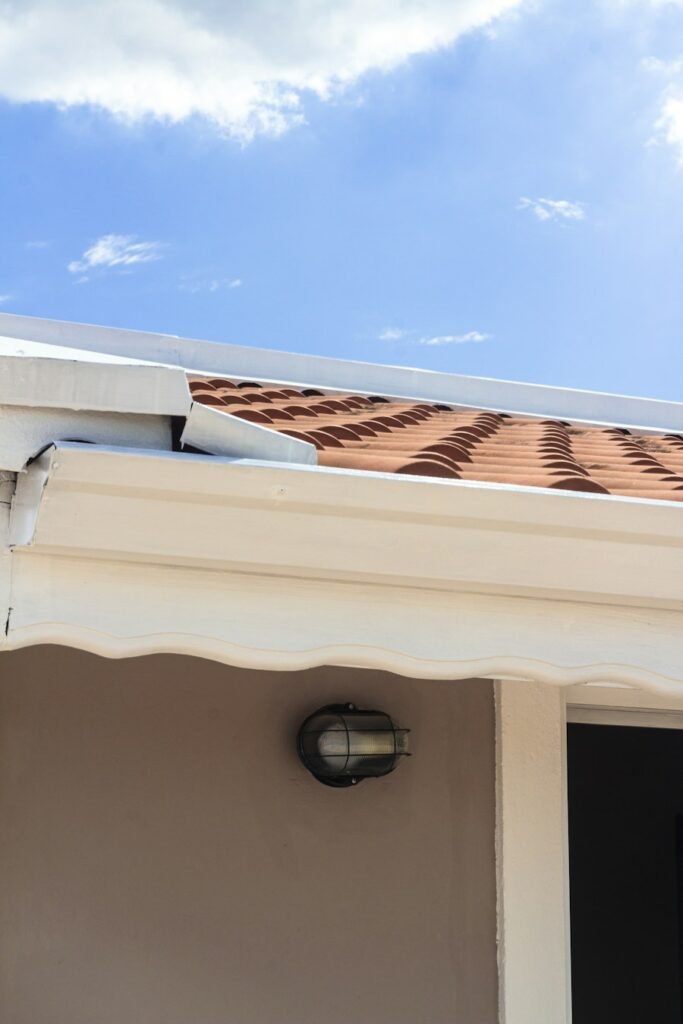
Botany Village
Botany Village grew up around the old textile mills near the Passaic city line, and its homes were mostly built in the early twentieth century, packed tightly with little yard. You see American Foursquares, Queen Anne houses and two-families around Parker Avenue, many with hipped main roofs, front porch roofs and a flat or low-slope roof at the rear. Leaks start at porch-to-wall flashing, old box gutters and rear roof seams, and staging space is the hardest part of any job.
Athenia
Athenia, centred on the Van Houten Avenue business strip, is full of twentieth-century colonials and Cape Cods on lots with driveways. Many capes have been expanded with a shed dormer across the back, and the joint where that dormer wall meets the main roof is where water most often gets in. Chimneys on these homes are brick, frequently with original step flashing under newer shingles, and plenty of Athenia roofs are on their second layer already.
Allwood
Allwood mixes Cape Cods, Colonial Revivals, split-levels and a handful of Tudor-style homes, with townhouses scattered through the section near Allwood Road. Tudors bring steep front gables and cross gables, so valleys carry more water than the rest of the roof. Split-levels add a roof-to-wall joint where the low roof runs into the two-storey section. We see valley wear, failed step flashing behind replaced siding, and the occasional slate or tile accent roof on older homes.
Albion Place
Albion Place sits beside Garret Mountain Reservation, and it is a Cape Cod neighbourhood on roughly 50 by 100 foot lots. Most homes are compact one-and-a-half-storey capes with front dormers, a centre chimney or an end chimney, and attic space that was finished decades ago. Finished knee-wall attics leave little room for ventilation, so these roofs run hot in summer and form ice at the eaves in winter. Dormer cheek walls and pipe boots are the usual leak points.
Delawanna
Delawanna, on the Nutley and Passaic side of the city near Route 21, has twentieth-century colonials and Cape Cods on gridded streets with moderately sized lots and driveways, plus a share of two-family homes. Rear additions with low-slope roofs are common, and many were roofed with rolled roofing or shingles laid below their minimum pitch. Those additions leak at the joint with the main house first, often years before the main roof shows any wear.
Dutch Hill
Dutch Hill has smaller lots than most Clifton sections, with older single-family and two-family homes close together. Narrow side yards mean ladders go up in the neighbour’s driveway, and debris control matters as much as the roof work. Expect gable roofs with a dormer or two, aluminum gutters that were hung decades ago, and chimneys that no longer serve a furnace but still let water in around the flashing.
Richfield and Rosemawr
On the west side, Richfield and Rosemawr are where Clifton’s ranches and midcentury split-levels concentrate, along with newer townhomes such as those proposed on part of the old Richfield Farms site. Ranches have long, low roofs with simple ridges, so leaks tend to come from pipe boots, bath fans and skylights. Split-levels add the step-flashing run where a lower roof meets a taller wall, the single most common leak we trace on this side of the city.
Lakeview and Main Mall
Lakeview, on the Paterson side, and the Main Mall area along Main Avenue have the city’s older commercial blocks and mixed-use buildings with apartments over storefronts. These buildings carry flat roofs behind parapet walls, with coping, scuppers and roof drains that clog with leaves and blown trash. Because they are not detached one- or two-family homes, roof replacement here needs a construction permit, and repairs need to be scheduled around tenants and shop hours.
What we fix in Clifton
What Roof Problems Are Most Common in Clifton?
In Clifton the leaks we trace most often come from flat rear roofs on two-families, dormer and chimney flashing on old capes, and roofs that already carry the two-layer maximum. Each of these traces back to the city’s 1950-era housing and its tight lots.
Flat rear roofs on two-families
Many Clifton two-families, especially in Botany Village and Dutch Hill, have a pitched front roof and a flat or nearly flat roof over the back rooms or rear porch. These were often covered with rolled roofing or built-up tar that has been patched several times. Ponding water, split seams and a failed joint at the back wall of the main house cause most of the ceiling stains we see in second-floor kitchens and bathrooms.
Roofs already at the two-layer limit
With a median build year around 1950, a typical Clifton house is on its third roof, and many owners in Athenia, Albion Place and Delawanna saved money last time by laying shingles over the old ones. New Jersey allows a maximum of two layers, so the next roof on those homes must be a full tear-off. That changes the price, the dumpster size and the chance of finding soft decking.
Shed dormer and cheek-wall leaks
Expanded capes are everywhere in Clifton. A full-width rear dormer adds bedrooms, but it also creates a long joint where the dormer face meets the main roof and two cheek walls running down the slope. When siding was replaced without new step flashing, or when the dormer roof is too flat for shingles, water gets in at those joints and shows up as a stain on a second-floor ceiling or in a closet.
Old brick chimneys
Prewar homes in Botany Village, Lakeview and Dutch Hill often have tall brick chimneys that outlived the coal or oil heat they served. Mortar joints wash out, the counter flashing loosens from the brick, and the crown cracks. Water then runs down inside the chimney chase or behind the flashing. Many Clifton chimneys also sit right at the ridge between two narrow lots, so the back side of the chimney is rarely inspected.
Split-level roof-to-wall joints
On Clifton’s west side, in Richfield, Rosemawr and parts of Allwood, split-levels and bi-levels have a low roof that dies into the wall of the taller section. That joint needs step flashing woven into every shingle course and a kickout at the bottom. When vinyl siding went on over the old flashing, the kickout was often left out, and water runs behind the siding into the wall and the lower ceiling.
Box and built-in gutters on older homes
Some Foursquares and Queen Anne houses in Botany Village and older parts of Lakeview still have built-in or box gutters hidden in the eave, sometimes covered over with aluminum. When their linings fail, water goes straight into the soffit and wall framing instead of overflowing visibly. These leaks are often blamed on the roof surface, but the fix is relining or replacing the gutter and the rotted fascia behind it.
Clifton weather
How Has Clifton’s Weather Damaged Local Roofs?
Clifton’s roofs take the most damage from tropical downpours, river-valley storms that topple mature trees, and heavy snow that sits on flat rear roofs. These are the dated events and recurring conditions that matter most here.
Ida, September 1 and 2, 2021
Ida’s remnants dropped 7.14 inches at Little Falls, the highest total in Passaic County, right on Clifton’s western border, and a man was swept away by floodwater in the neighbouring city of Passaic. Passaic County was included in FEMA’s major disaster declaration DR-4614. On Clifton roofs the problem was volume: gutters, scuppers and flat rear roofs could not shed rain fast enough, and water backed up under flashing that normally stays dry.
Irene, August 2011
Irene pushed the Passaic River at Little Falls to 14.19 feet on August 30, 2011, a crest beaten only by the 1903 flood. The river forms part of Clifton’s northeastern boundary, and days of saturated soil loosened the roots of old street and backyard trees across the city. Tree and limb strikes on tightly spaced houses are the roof damage Clifton owners remember from storms like Irene, along with long-duration leaks at chimneys and dormers.
The January 22 to 24, 2016 blizzard
The January 2016 blizzard left between 16.9 and 22.6 inches across Passaic County. On Clifton two-families, wind drifted snow against parapets and back walls, piling the most weight on the flat rear roof, the weakest part of the house. When that snow melted against a cold back wall, it found every open seam. After big snows we see a wave of rear-roof and porch-roof leaks across Botany Village and Delawanna.
Freeze-thaw on finished cape attics
Every winter, Albion Place, Athenia and Delawanna capes with finished upstairs rooms melt snow over the warm living space and refreeze it at the cold eave. Knee-wall attics rarely have enough soffit and ridge venting, so ice dams form along gutters and push water under the shingles. The leak shows up as a stain at the base of the sloped ceiling or along the knee wall, often weeks after a modest storm.
Roofing services
Which Roofing Services Do We Provide in Clifton?
We provide all twelve of our roofing services in Clifton, scaled to the city’s mix of capes, two-families, condos and commercial blocks. Here is how each one usually applies on a Clifton street.
Roof Leak Repair in Clifton
Most Clifton leaks we trace start at a shed dormer joint, a chimney on a prewar house or the seam where a flat rear roof meets the back wall of a two-family. We check from the attic and the roof, find the real entry point, and photograph it before we quote.
Emergency Roof Repair in Clifton
When a limb comes through a Dutch Hill roof or a rear roof opens up during a downpour, send an emergency request through our contact page at any hour. We tarp and secure the opening, protect the neighbour’s driveway and car, and document everything for your insurer.
Storm Damage Roof Repair in Clifton
After nor’easters and tropical storms we inspect Clifton roofs for lifted shingles, cracked flat-roof seams, bent gutters and limb strikes. Our dated photos show the condition before and after the storm, which helps when an adjuster needs to separate storm damage from age.
Roof Replacement in Clifton
Replacing a roof on a 1950 Athenia or Albion Place cape usually means tearing off two layers, checking the plank or plywood deck, adding ice and water shield at the eaves and correcting ventilation. We plan dumpster placement around tight Clifton driveways and narrow side yards.
Roof Inspection in Clifton
Clifton homes sell fast, so buyers and sellers ask us to inspect before closing. We count layers, check dormers, chimneys and rear roofs, look at attic ventilation and decking from inside, and give you photos and a written condition summary you can share with your attorney.
Flat Roof Repair in Clifton
Flat rear roofs on Botany Village and Delawanna two-families and the parapet roofs along Main Avenue are a big part of our Clifton work. We repair or replace modified bitumen, EPDM and TPO, rebuild back-wall flashing, and clear scuppers and drains that leaves have blocked.
Metal Roof Repair in Clifton
Clifton has standing-seam and painted metal on porch roofs, bay windows, storefront canopies and a few newer homes. We reseal seams, replace loose fasteners and rusted panels, and fix the flashing where a metal porch roof meets old siding on a prewar house.
Slate Roof Repair in Clifton
Slate survives on some older Clifton homes, churches and accent roofs in Allwood and Lakeview. We replace broken slates with matching stone using slate hooks or copper nails, repair valleys and chimney flashing, and tell you honestly whether the roof has years left.
Shingle Roof Repair in Clifton
Asphalt shingles cover most Clifton houses. We replace wind-lifted or missing shingles, fix nail pops, reseat ridge caps and swap cracked pipe boots, matching color and profile as closely as current shingle lines allow on capes, ranches and split-levels.
Roof Cleaning in Clifton
North-facing slopes under mature trees in Athenia and Allwood grow moss and black algae streaks. We clean with low-pressure methods that do not strip shingle granules, then suggest zinc or copper strips near the ridge to slow regrowth on shaded Clifton roofs.
Gutter Repair in Clifton
We repair and replace gutters, downspouts, fascia and drip edge, and reline the box gutters still hidden on some Botany Village and Lakeview houses. On tight lots we route downspouts away from neighbours’ foundations and shared driveways.
Commercial Roofing in Clifton
From mixed-use blocks on Main Avenue and Van Houten Avenue to industrial and retail roofs near Route 3 and Route 46, we repair TPO, EPDM, modified bitumen and built-up roofs, including parapets, coping and rooftop unit curbs, with permits where commercial work requires them.
Clifton rules
Do You Need a Permit to Repair or Replace a Roof in Clifton?
Permits & local review
On a detached one- or two-family house in Clifton, repairing or replacing the roof covering needs no construction permit, as long as the roof ends up with no more than two layers. Since March 5, 2018, New Jersey treats that work as ordinary maintenance under N.J.A.C. 5:23-2.7. That covers most Clifton two-families as well as single-family homes. Ordinary maintenance still has to meet code.
A permit from Clifton’s Building Department is required when sheathing or rafters are replaced, when a third layer is proposed, and for any building that is not a detached one- or two-family home. In Clifton that catches three- and four-family houses, the mixed-use blocks on Main Avenue, attached townhomes, and condo buildings such as Renaissance Manor in Athenia, Royal Club at Winthrop and Botany Estates, where the association also has to approve the work.
Clifton’s current list of boards and commissions includes a Planning Board, Board of Adjustment and Environmental Commission but no historic preservation commission, so a typical house roof faces no design review. Listed landmarks such as the Clifton Arts Center barns and the Vanderhoef-Westervelt House are the exception. Near the Passaic River and Weasel Brook, a home declared substantially damaged after a flood may face FEMA elevation rules before major repairs.
Insurance claims
In Clifton, most roof claims are tree strikes and wind damage, and the hardest part is keeping them separate from flood and age. Homeowners policies usually cover sudden damage such as a falling limb or wind-torn shingles and usually exclude wear, neglect and rising water. After Ida, many Clifton owners had wet basements from groundwater or sewer backup and a wet ceiling from the roof at the same time, and those are different claims. On tight lots, the tree that hit your roof may stand on your neighbour’s property; your own policy normally pays for your house either way. Two-family owners who rent the second unit should check whether the policy is written as a landlord or owner-occupied form. Take photos before any tarp goes on, keep receipts, and let us document the roof with dated photos. Your policy and agent have the final word.
Pricing · updated November 2026
How Much Does Roof Repair Cost in Clifton in November 2026?
As of November 2026, most Clifton roof repairs fall between $350 and $2,500, and a full replacement on a typical cape or two-family runs roughly $8,500 to $17,000. The ranges below are planning numbers; the itemized quote after your free inspection is what counts. For more detail see our New Jersey roof repair cost guide.
A few shingles
$350 – $800
Replacing wind-lifted or missing shingles on a Clifton cape, ranch or split-level, resealing the tabs around them and checking for nail pops. Discontinued colors on older Athenia roofs can take extra matching time.
Pipe boot or vent flashing
$250 – $600
A new boot or flashing around plumbing vents and bath fans, a frequent leak on long, low west-side ranches in Richfield and Rosemawr, plus a check of the shingles directly uphill.
Single-source leak repair
$400 – $1,500
Tracing and fixing one leak, such as a shed dormer joint in Albion Place or a split-level wall in Allwood, including step flashing, kickout flashing and the shingles around it.
Chimney re-flashing
$600 – $1,800
New step and counter flashing on a prewar brick chimney in Botany Village or Dutch Hill, cut into fresh mortar joints. Crown repair or repointing beyond the flashing line is quoted separately.
Flat-roof patch or seam
$400 – $2,500
Repairs to the flat rear roof of a Clifton two-family or a Main Avenue storefront: open seams, blisters, back-wall flashing, scuppers and drains. Larger sections may move to partial replacement.
Emergency tarp
$300 – $1,200
Temporary tarping after a limb strike or storm opening, secured without new holes where possible, with photos for your insurer. Tight Clifton lots and shared driveways can affect access and setup.
What moves the price in Clifton
- Number of layers: Many Clifton capes already carry two layers, so a replacement must include full tear-off and heavier disposal.
- Deck condition: Houses from the 1940s and 1950s often have plank decking with gaps or soft spots, which adds plywood and, when sheathing is replaced, a permit.
- Access on tight lots: Botany Village, Dutch Hill and Delawanna houses sit close together, so ladder setup, roof jacks and debris netting take longer, and a dumpster may need street placement.
- Flat rear roofs: A two-family with a pitched front and flat back is really two roofs with two materials and a transition between them.
- Dormers and chimneys: Expanded capes and prewar chimneys add flashing work that a plain gable roof does not have.
- Building type: Three-family houses, condos and mixed-use blocks need permits and, for condos, association paperwork.
- Ventilation fixes: Finished cape attics in Albion Place and Athenia often need added soffit or ridge venting and ice and water shield to stop ice dams.
- Season: Spring after a hard winter is the busiest time for Clifton rear-roof and ice-dam repairs, so book inspections early.
Planning ranges, not quotes. Repair ranges are Roof Repair SNJ site-wide figures; replacement ranges reflect the Fixr 2026 New Jersey estimate and the Roof Observations NJ guide (January 2026). Your Clifton price is set after a free inspection.
Who does the work
Why Clifton Homeowners Choose Roof Repair SNJ
- Repairing NJ roofs for 25+ years
- General liability + workers’ comp insurance
- Workmanship warranty: 2 years on repairs, 10 years on full replacements, in writing
- Photo report with every inspection
Check any roofer before you sign in Clifton
Ask for the 13VH registration number and confirm it on the NJ license lookup. NJ law requires a signed written contract showing the registration number and total price, and gives you until midnight of the third business day to cancel (N.J.S.A. 56:8-151).
Nearby
How Do Roofs in Towns Near Clifton Compare?
Clifton borders denser cities to the east and north and quieter suburbs to the west, and the roofs change accordingly. We also work across roof repair in Passaic County and the rest of our New Jersey service areas.
Passaic
Next door to Botany Village, the city of Passaic is denser still, with more three- and four-family houses, row buildings and apartments over shops. Flat roofs behind parapets are far more common there than in Clifton, and more of those buildings need construction permits for roof work.
Paterson
Paterson, across the Lakeview border, has mill-era brick, multi-family frame houses and the Great Falls Historic District, where the Historic Preservation Commission reviews exterior changes. Clifton owners face no comparable design review on an ordinary house roof.
Little Falls
Little Falls, west of Clifton along the Passaic River, recorded the county’s highest Ida rainfall at 7.14 inches and sees more direct river flooding. Its homes are mostly single-family capes and colonials with fewer two-family flat rear roofs than Clifton’s east side.
Nutley
Across the Essex County line from Delawanna, Nutley has similar early twentieth-century colonials and two-families, but more large Victorian and Tudor homes with slate on the older streets, which means more specialist slate work than a typical Clifton block.
Woodland Park
Woodland Park, north of Clifton below Garret Mountain, has more hillside lots and postwar ranches and raised ranches. Steep driveways and slopes change how a crew stages, and there are far fewer old two-families with flat rear roofs.
In depth
Clifton Roofing Questions, Answered in Depth
Fixing the flat rear roof on a Botany Village or Delawanna two-family
The flat rear roof on a Clifton two-family usually leaks at the back wall of the main house or at a low spot where water ponds, and the right fix depends on how many times it has already been patched. These roofs cover second-floor kitchens, bathrooms and back bedrooms, often built as additions or enclosed porches, and they were frequently finished with rolled roofing or hot tar.
We start with the transition. Where a flat roof meets a pitched roof or a wall, the membrane has to turn up the wall at least several inches, with counter flashing or a termination bar over it, and the shingles above must lap over it. In many Botany Village houses that joint is simply tar troweled over the top edge, which cracks with every freeze.
Next is drainage. A flat roof that holds water for days after rain will fail at the seams first. We check whether the roof drains to a scupper, a gutter or an internal drain, and whether leaves from street trees have blocked it. Sometimes the fix is a tapered cricket or a new scupper rather than more patching.
If the surface has been patched over and over, a modified bitumen or EPDM replacement of that section is often cheaper over five years than repeated repairs. Because a two-family is still a detached two-family dwelling, replacing the covering is ordinary maintenance with no permit, unless the deck boards underneath must be replaced. We photograph the deck from inside when we can, so you know before the tear-off starts. If tenants live upstairs, we schedule around them and protect the ceiling below during the work. For a closer look at materials, see our flat roof repair in Clifton and Passaic County service.
Re-roofing a 1950 Clifton cape that already has two layers
If your Clifton cape already has two layers of shingles, the next roof must be a complete tear-off down to the deck, and that is a good thing for the house. New Jersey allows no more than two roof coverings, and a third layer requires a permit that will not be approved under normal circumstances.
You can usually tell from the street. Look at the edge of the roof at the gable end or the gutter line: two stacked shingle edges, or a thick, wavy roofline, mean two layers. In Athenia, Albion Place and Delawanna, a large share of capes were re-covered in the 1980s and 1990s without stripping the original.
A full tear-off lets us see the deck. Many Clifton capes of that era have plank decking, sometimes with gaps between the boards. Shingle manufacturers require a solid deck, so we often add plywood over planks or replace rotted boards near the eaves and around the chimney. Replacing sheathing requires a construction permit from the Building Department, which we handle when needed.
Tear-off is also the moment to correct the things that make capes leak. We install ice and water shield along the eaves and in valleys, new drip edge, new step flashing at dormer cheek walls, and fresh counter flashing at the chimney. Capes with finished upstairs rooms have little attic space, so we look at adding soffit intake and a ridge vent, or baffles behind the knee walls, to cut down on ice dams.
Expect disposal costs to be higher than a single-layer job, and plan for dumpster placement on a narrow driveway or the street. Our roof replacement page explains the full process, and the quote you receive will itemize tear-off, decking and flashing separately.
Roof work in Clifton condos and garden-apartment buildings
If you own a unit in a Clifton condominium such as Renaissance Manor in Athenia, Royal Club at Winthrop or Botany Estates, the association usually controls the roof, and any replacement needs both board approval and a construction permit. These are not detached one- or two-family dwellings, so the state’s ordinary-maintenance exemption does not apply to them.
Start with the master deed and bylaws. They define whether the roof is a common element maintained by the association or a limited common element tied to particular units. In most Clifton condo buildings the roof is common, so a leak into your top-floor unit is reported to the property manager and repaired under the association’s contract. Your own HO-6 policy may cover interior damage, depending on what the master policy pays.
Renaissance Manor, completed in 1983 as a three-storey, 100-unit building, is now old enough that its original roofing systems and later replacements reach the end of their service lives. Large buildings like Royal Club at Winthrop, with 272 units, often have low-slope roofs with mechanical units, drains and parapets, where small failures can affect several units at once.
For boards and managers, we provide a roof survey with photos of every issue, a written scope that separates urgent repairs from planned work, and a certificate of insurance naming the association. Repairs can be phased to fit a reserve budget. For townhome owners in Allwood or on the old Richfield Farms site, where each unit may own its own roof section, we trace leaks across party walls, because water often enters on a neighbour’s section. Our commercial roofing service covers the larger flat roofs.
After a Passaic River storm: keeping roof and flood claims apart
After a storm like Ida or Irene, a Clifton homeowner can have two separate losses, water from the roof and water from the ground, and insurers treat them very differently. Roof leaks caused by wind damage or a falling tree are usually covered by a homeowners policy. Rising water, groundwater and, unless you bought an endorsement, sewer backup are not.
Clifton sits along the Passaic River on its northeastern boundary and is laced with brooks such as Weasel Brook, so heavy rain can flood basements on low streets while wind and rain attack roofs everywhere else. Adjusters look for clear evidence of which came first. A stained second-floor ceiling under a dormer points to the roof; a wet basement wall at grade points to the ground.
Here is what helps. Photograph ceilings, attic decking and the roof from the ground before anything is moved or tarped. Note the date and time water appeared. Keep a piece of any shingle or flashing that blew off. If you need a tarp, ask for one that is secured without new nail holes where possible, and keep the invoice. Do not sign a contract that assigns your insurance benefits to a contractor you just met at the door.
We provide dated photos of the roof, a written description of what failed and why, and a repair scope your adjuster can compare with their estimate. If the roof damage turns out to be wear rather than storm damage, we tell you that too, because a claim denied for age is wasted time. Read more on our storm damage roof repair page, and remember that your policy and agent have the final word.
Choosing a roofer in Clifton without getting burned
Hire a Clifton roofer who is registered with New Jersey, insured, gives you a written itemized contract, and can explain your roof’s problem with photos. Every home improvement contractor in the state must register with the Division of Consumer Affairs; the number begins with 13VH and you can check it at newjersey.mylicense.com. Registration requires at least $500,000 in commercial general liability insurance, and you should ask for the certificate to come straight from the insurance agent.
Under N.J.S.A. 56:8-151, your contract must be written and signed and must show the contractor’s legal name, business address, registration number, total price and a copy of the insurance certificate. You have three business days to cancel. Those rules matter in Clifton, where door-knockers work dense blocks after every big storm and a cash deposit is easy to ask for when ten houses on one street have tarps.
Ask questions that fit a Clifton house. How many layers are on my roof now, and will you tear off? What is the deck made of? How will you flash the shed dormer and the chimney? On a two-family, how will you tie the flat rear roof into the pitched front roof? Where will the dumpster go on my lot, and how will you protect my neighbour’s car and driveway? Does my building need a permit? A good answer includes photos and specifics.
Compare quotes by scope, not just total. One quote may include ice and water shield, new flashing and plywood allowances while another leaves them out. Get the workmanship warranty terms on paper as well; ours covers repairs for 2 years and full replacements for 10.
FAQ
Roof Repair in Clifton, NJ: Frequently Asked Questions
Do I need a permit to replace the roof on my Clifton two-family?
No, in most cases. A detached two-family house in Clifton counts as a one- or two-family dwelling, so replacing the roof covering is ordinary maintenance under state rules, up to two layers. You need a permit from the Building Department if the deck or rafters are replaced or a third layer is proposed.
Why does the flat back roof on my Botany Village house keep leaking?
Most Botany Village flat rear roofs leak at the joint with the main house wall or where water ponds for days. They were often covered with rolled roofing or tar and patched repeatedly. A proper wall flashing detail, better drainage to a scupper or gutter, or replacing that section usually stops the cycle.
How much does roof repair cost in Clifton, NJ?
As of November 2026, most Clifton roof repairs cost between $350 and $2,500 depending on the problem, from a few shingles to a flat-roof section. Chimney re-flashing runs about $600 to $1,800. A full replacement on a typical Clifton cape or two-family usually runs about $8,500 to $17,000.
My Athenia cape already has two layers of shingles. Can I add a third?
No. New Jersey allows a maximum of two roof coverings, so a Clifton cape with two layers needs a full tear-off at its next replacement. That also lets us inspect the deck, fix soft boards, and install ice and water shield, new drip edge and new dormer and chimney flashing.
Does Clifton have a historic commission that reviews roof changes?
Clifton’s current list of boards and commissions does not include a historic preservation commission, so a typical house roof faces no design review. Individually listed landmarks such as the Clifton Arts Center barns and the Vanderhoef-Westervelt House are different, so ask the city before altering a listed property.
Who is responsible for the roof at Renaissance Manor or Royal Club at Winthrop?
In most Clifton condominiums the roof is a common element maintained by the association, so a leak into a top-floor unit is reported to the property manager. The master deed and bylaws decide this. Replacement on condo buildings also needs a construction permit because they are not detached one- or two-family homes.
What causes ice dams on Albion Place capes?
Albion Place capes often have finished upstairs rooms with knee walls and little attic space, so heat melts snow on the upper roof and it refreezes at the cold eave. The fix combines ice and water shield along the eaves with better soffit intake, ridge venting and insulation behind the knee walls.
Can you repair my roof if my Dutch Hill house is only a few feet from the neighbour’s?
Yes. Many Dutch Hill and Botany Village homes sit close together, so we plan ladder placement, roof jacks and debris netting before work starts, and we talk with you about the neighbour’s driveway and car. We protect both properties and clean up magnets and debris on both sides.
Will homeowners insurance pay for roof damage from a storm in Clifton?
Usually, if the damage is sudden, such as wind-torn shingles or a falling limb. Policies generally exclude wear, age and flood water. After a storm like Ida, Clifton owners should photograph the roof and ceilings, keep tarp receipts and separate roof leaks from basement flooding. Your policy and agent decide coverage.
Do split-levels in Richfield and Rosemawr leak in a particular place?
Yes. The most common leak on west-side Clifton split-levels is where a lower roof runs into the wall of the taller section. That joint needs step flashing at every shingle course and a kickout at the bottom. When siding was replaced without them, water enters the wall and the lower ceiling.
Do you repair commercial flat roofs on Main Avenue in Clifton?
Yes. We repair TPO, EPDM, modified bitumen and built-up roofs on Clifton’s mixed-use and commercial buildings, including parapets, coping, scuppers and drains along Main Avenue, Van Houten Avenue and near Route 3 and Route 46. Replacement on these buildings requires a construction permit, which we handle.
How do I check that a Clifton roofer is legitimate?
Ask for the contractor’s New Jersey registration number, which begins with 13VH, and check it at newjersey.mylicense.com. Registration requires at least $500,000 in liability insurance. A Clifton roof contract must be written and signed, show the total price, and give you three business days to cancel.
Reviewed by the Roof Repair SNJ team · Last updated November 2026
Free inspection
Book a Free Roof Inspection in Clifton
Whether it is a flat rear roof in Botany Village, a dormer leak in Athenia, a split-level wall in Rosemawr or a storefront roof on Main Avenue, start with a free inspection and dated photos. Request your Clifton roof inspection and you will receive a written, itemized quote. There is no obligation, and repairs carry a 2-year written workmanship warranty.
No pressure and no obligation. If a repair will do, we’ll tell you.
Roof Repair SNJ
- Serving Clifton and all of Passaic County
- Request roof service in Clifton
- Mon–Fri 5:00 AM–10:00 PM · Sat 5:00 AM–6:00 PM · Emergencies 24/7
Sources: Clifton, New Jersey (Wikipedia): sections, ZIP codes, 2020 Census, landmarks · homes.com Clifton local guide: median year built, multi-family share, neighbourhood styles, condo buildings · Census Reporter: Clifton city profile (median home value) · City of Clifton department directory · City of Clifton boards and commissions · N.J.A.C. 5:23-2.7 ordinary maintenance · NJ Weather and Climate Network: Ida remnants (Little Falls 7.14 in) · CBS New York: Ida flood death in Passaic · FEMA DR-4614 New Jersey Ida declaration · NWS MARFC: Passaic River at Little Falls top crests · NJ Weather and Climate Network: January 2016 blizzard county totals · NJ Division of Consumer Affairs license verification · N.J.S.A. 56:8-151 home improvement contracts · Fixr: roof replacement cost in New Jersey (2026) · Roof Observations: New Jersey roof cost guide (January 2026). Prices are planning ranges, not quotes. Permit and insurance information is general guidance; your town, policy and agent have the final word.