
Roof Repair NJ › NJ Locations › Atlantic County
Atlantic City · Egg Harbor · Galloway · 23 towns
Roof Repair in Atlantic County, NJ: Absecon Island to the Pinelands
Roof Repair SNJ fixes roofs in all 23 Atlantic County municipalities, from salt-blasted homes and flat-roof buildings on Absecon Island and Brigantine to subdivisions in Egg Harbor Township and Galloway and farmhouses around Hammonton. Each job starts with a free inspection with dated photos and a written, itemized quote, so you know exactly what is wrong and what it costs.
- Free inspection with dated roof photos
- Salt-air materials for island homes
- Mainland, bayside and Pinelands roofs
Free roof inspection in Atlantic County
Photos of every problem we find and an itemized written price before any work. Emergency requests handled 24/7.
Roof Repair SNJ
23 Atlantic County towns · all 21 NJ counties
Free inspection
Roof, attic and gutters checked at no cost.
Insured
Liability and workers’ comp; certificate on request.
Written quotes
Itemized price in writing before any work.
Photo-documented
Every problem photographed, before and after.
Atlantic County at a glance
Atlantic County Roofs at a Glance
Atlantic County has about 132,000 homes with a median build year of 1977, and roughly one in seven was built before 1940. Those older homes cluster in Atlantic City, Ventnor, Pleasantville, Egg Harbor City and Hammonton, while Egg Harbor Township and Galloway hold newer subdivisions. Both National Hurricane Center landfalls of the last fifteen years in New Jersey were placed at or near Brigantine.
County seat
Mays Landing
Mays Landing, in Hamilton Township, is the county seat; Hamilton had 27,484 residents in 2020 and sits largely inside the Pinelands along the Great Egg Harbor River.
Municipalities
23
Atlantic County’s 23 municipalities had 274,534 residents in 2020, led by Egg Harbor Township at 47,842, Atlantic City at 38,497 and Galloway at 37,813.
Median year built
1977
Census ACS 2023 five-year data puts the median year built at 1977, with about 19,600 homes, or 14.8 percent, built in 1939 or earlier.
Two landfalls
Brigantine
The National Hurricane Center placed Irene’s New Jersey landfall at Brigantine Island in August 2011 and Sandy’s landfall near Brigantine in October 2012.
Pinelands towns
13
The NJ Pinelands Commission lists 13 Atlantic County municipalities in the Pinelands; Hammonton, Egg Harbor City, Folsom and Mullica lie entirely inside the state Pinelands Area.
Average snowfall
17.4 in
Atlantic City International Airport averages about 17.4 inches of snow a year under 1991 to 2020 normals, light for New Jersey but enough for ice dams.
Homes & roofs
What Homes and Roofs Are Common in Atlantic County?
Atlantic County packs five roofing worlds into one county: Atlantic City’s high-rises and rowhouses, Absecon Island and Brigantine beach homes, the older mainland bay towns, the large subdivisions of Egg Harbor Township and Galloway, and Pinelands farm towns. Each group has its own typical failures and its own repair approach.

Atlantic City rowhouses and multi-family homes
Away from the casinos, Atlantic City neighbourhoods such as Chelsea, Ducktown, Venice Park and Chelsea Heights hold attached rowhouses, older two- and three-story frame homes and small apartment buildings. Many have flat or low-slope roofs behind parapets, with coping, scuppers and old built-up or modified bitumen membranes. Shared walls mean water can travel between buildings, and attached homes need permits for reroofing.
Casinos, hotels and high-rise condos
Atlantic City’s nine casinos, beachfront hotels and the condo towers along the Boardwalk and in the Marina district sit on large commercial low-slope roofs, podium decks and parking garage tops. These membranes take constant salt wind, sun and heavy rooftop equipment. Work here is commercial: permits, crane or hoist access, fall protection and coordination with building engineers and property managers.
Ventnor, Margate and Longport beach homes
The rest of Absecon Island mixes older frame and stucco shore homes with large newer houses, many raised after Sandy, especially on the bay side of Ventnor and Margate. Salt spray rusts standard nails and steel flashing quickly, and high-wind exposure hits ridges and rakes. Roof decks, rooftop condensers and complicated hip roofs on newer homes add leak points.
Brigantine island homes
Brigantine sits on its own barrier island north of Atlantic City, reached by a single bridge, with beach blocks, lagoon streets and bayfront homes. Many houses were lifted or rebuilt after Sandy, and lagoon areas face flood-zone rules. Salt air, wind from the ocean and bay, and limited access in summer shape every repair we plan there.
Mainland bay towns
Absecon, Pleasantville, Northfield, Linwood and Somers Point line the mainland edge of the bays, with older homes near Shore Road, mid-century capes and ranches, and waterfront houses facing Lakes Bay and Great Egg Harbor Bay. Pleasantville has many older frame homes. Salt air reaches these towns too, and tall shade trees cause valley and gutter problems.
Egg Harbor Township and Galloway subdivisions
Atlantic County’s two largest mainland townships are full of colonials, ranches and split-levels built from the 1970s through the 2000s, plus townhome and adult communities. Architectural shingles around twenty years old, skylights, ridge vents and builder-grade pipe boots are the typical failures. Many of these neighbourhoods sit partly in the Pinelands on sandy, pine-shaded lots.
Hammonton, Egg Harbor City and Pinelands towns
Hammonton, Egg Harbor City, Folsom, Mullica, Buena, Buena Vista, Weymouth, Estell Manor and Corbin City have older town centres, farmhouses, barns and homes on large wooded lots. Metal roofs on farm buildings, old porch roofs, and multiple shingle layers on farmhouses are common. Pine needles, long driveways and outbuildings all affect how a job is planned.
Atlantic County weather
What Does Atlantic County Weather Do to Roofs?
Atlantic County roofs take tropical storms and nor’easters straight off the ocean, steady salt wind on the islands, and sharper cold and summer thunderstorms over the Pinelands inland. Here are the events and patterns behind most of the damage we see from Brigantine to Hammonton.
Superstorm Sandy, October 29, 2012
The National Hurricane Center says Sandy made landfall near Brigantine as a post-tropical cyclone with 70 knot winds. The Atlantic City tide gauge recorded a 5.82 foot surge, and the storm destroyed the northern part of the Boardwalk in South Inlet. Island homes in Brigantine, Atlantic City, Ventnor and Margate flooded, and many were raised or rebuilt with new roofs afterwards.
Tropical Storm Irene, August 28, 2011
Irene came ashore very near Atlantic City, at Brigantine Island, as a 60 knot tropical storm, according to the National Hurricane Center. Atlantic City measured sustained winds of 35 knots with gusts to 50 knots, and a 3 to 5 foot surge caused tidal flooding along the shore. Hours of wind-driven rain found weak flashing at chimneys and skylights across the county.
June 2012 derecho
The derecho of June 29 and 30, 2012 hit Atlantic County hard. Atlantic City Electric reported 206,000 customers without power from downed trees, most of them in Atlantic County, which declared a county-wide state of emergency, and lightning was believed to have struck a 104-year-old church in Longport. Straight-line winds tore shingles off whole slopes and dropped trees on mainland roofs.
January 2016 blizzard
On January 23, 2016, Atlantic City set a daily snowfall record of 10.1 inches while coastal flooding put water into about 150 homes in the city and forced evacuations. For roofs, the combination of wet snow load on flat and low-slope roofs and refreezing meltwater at gutters causes ice dams and membrane seam leaks, especially where scuppers were already partly blocked.
Salt air and steady wind
Absecon Island and Brigantine get salt spray and wind almost every day, which corrodes electro-galvanized nails, steel flashing, vent caps and gutter hangers. Sealants dry and crack faster in full sun and salt. Coastal nor’easters, most frequent from October to April, add long periods of wind-driven rain that push water under shingles and up behind loose membrane seams.
Pinelands temperature swings
The Rutgers state climate office notes that Atlantic City Airport, in the pines of Egg Harbor Township, can be 15 to 20 degrees cooler than the Atlantic City Marina about 13 miles away. Inland towns like Galloway, Hamilton, Hammonton and Mullica see more frost, attic condensation and freeze-thaw than the island, and summer thunderstorms bring down pine limbs.
Roofing services
Which Roof Services Do Atlantic County Homes and Buildings Need?
Atlantic County work splits between salt-air and wind damage on the islands, flat and low-slope roofs in Atlantic City, and aging shingle roofs on mainland subdivisions. Here is how each of our twelve services applies across the county, from Longport to Folsom.
Roof Leak Repair in Atlantic County
Leaks here often come from rusted flashing on Ventnor and Margate homes, failed parapet coping on Atlantic City rowhouses, and cracked pipe boots or skylights in Egg Harbor Township and Galloway. We trace water from the stain to the source and photograph both before quoting.
Emergency Roof Repair in Atlantic County
When a nor’easter peels a membrane in Atlantic City or a pine limb comes through a Hamilton Township roof, send an emergency request through our contact page. We tarp or temporarily seal the roof, clear debris and take dated photos for your insurer.
Storm Damage Roof Repair in Atlantic County
Storm damage in Atlantic County ranges from tropical-storm wind on Brigantine to derecho-style tree falls inland. We inspect every slope and edge, mark lifted and missing shingles or torn membrane, and tie the photo report to the storm date.
Roof Replacement in Atlantic County
Many mainland roofs from the 1990s and 2000s, and island roofs rebuilt after Sandy, are now reaching replacement age. Replacements include tear-off, deck repair, ice and water shield, new drip edge, and fasteners and flashing chosen for salt exposure.
Roof Inspection in Atlantic County
Buying a raised home in Margate or a colonial in Galloway, an inspection with photos shows deck condition, layer count, flashing, ventilation and remaining life. On island homes we also note corrosion of fasteners and metal that is invisible from the street.
Flat Roof Repair in Atlantic County
Flat roofs are everywhere in Atlantic City, on rowhouses, apartment buildings, shops and garages, and on rear additions in Ventnor and Pleasantville. We repair EPDM, TPO and modified bitumen seams, scuppers, drains, parapet coping and edge metal.
Metal Roof Repair in Atlantic County
Metal roofs cover barns and farm buildings around Hammonton and Buena and many newer island homes. Near salt water we use compatible metals, coated fasteners and sealants, so new screws and flashings do not corrode the existing panels.
Slate Roof Repair in Atlantic County
Slate is rare in Atlantic County but survives on some older homes and churches in Atlantic City, Ventnor, Pleasantville and Hammonton. We replace broken slates with matching stone and repair copper flashings without walking the slate and breaking more.
Shingle Roof Repair in Atlantic County
Architectural shingles cover most mainland homes from Absecon to Mays Landing. We replace wind-lifted and missing shingles, reseal ridge caps and fix nail pops, matching color as closely as current lines allow and showing you any visible difference first.
Roof Cleaning in Atlantic County
Shade from pines and oaks in Galloway, Egg Harbor Township and Hamilton grows algae and moss on north slopes. We use low-pressure, shingle-safe cleaning, never pressure washing, and can add zinc or copper strips to slow regrowth.
Gutter Repair in Atlantic County
Pine needles clog mainland gutters fast, and salt pits aluminum gutters and hangers on the island. We repair the roof edge, fascia, drip edge and gutter pitch together so water leaves the house instead of backing under shingles.
Commercial Roofing in Atlantic County
From Atlantic City hotels, condos and storefronts to offices along the Black Horse Pike and Route 9 and retail in Egg Harbor Township, we repair low-slope commercial roofs, rooftop curbs and parapets, with permits planned into the schedule.
Atlantic County rules
Atlantic County Roofing Permits, Flood Rules and Pinelands
Permits & local review
Reroofing a detached one- or two-family home in Atlantic County usually needs no permit, but Atlantic City rowhouses, condos, commercial buildings and structural repairs do. Since March 5, 2018, roof covering repair or replacement on a detached one- or two-family house is ordinary maintenance under N.J.A.C. 5:23-2.7. A permit from the municipal construction office is still needed for sheathing, rafters or trusses, a third layer, attached homes such as rowhouses and townhomes, multi-family buildings, condos and every casino, hotel or commercial roof.
Flood zones cover much of Atlantic City, Ventnor, Margate, Longport, Brigantine and the bayside parts of the mainland. Under FEMA flood rules, if a home in a mapped flood zone is damaged or improved by 50 percent or more of its market value, the building may need to meet current flood standards, often meaning elevation. Roofing alone rarely reaches that level, but storm repairs combined with other work can, and the local floodplain administrator decides.
Thirteen Atlantic County municipalities lie in the Pinelands. Routine repair of an existing roof generally does not need Pinelands review, while additions and new buildings may, so check the Pinelands Commission’s exemption guidance. Ask your construction office whether your property is in a local historic district before changing visible materials.
Insurance claims
In Atlantic County, wind damage to a roof is usually a homeowners claim, while surge and flood water is a flood insurance claim, and many island policies carry separate wind deductibles. After Sandy, owners in Brigantine, Ventnor and Margate learned that water through the first floor and shingles torn off by wind are handled by different policies.
Homes near the ocean and bay often carry a hurricane or wind deductible set as a percentage of the dwelling limit, which can be several thousand dollars. On the mainland, the typical claim is a pine or oak falling in a thunderstorm or derecho, like the June 2012 storm that knocked out power across most of the county. Policies usually exclude wear, age, rusted flashing and old membrane failure. In condos and high-rises, the association’s master policy usually covers the roof. We provide dated photos of the damage, its location and its extent. Your policy and agent have the final word.
Pricing · updated November 2026
What Does Roof Repair Cost in Atlantic County?
As of November 2026, most Atlantic County roof repairs cost about $350 to $2,500, and a full replacement on a typical home runs roughly $8,500 to $17,000. Simple mainland ranches and colonials sit near the low end; raised island homes, salt-rated materials, Atlantic City flat roofs with parapets and commercial work cost more.
Shingle and boot repairs
$350 – $800
Replacing wind-lifted shingles on a Galloway colonial or a cracked pipe boot in Egg Harbor Township, with matching shingles, sealant and photos of the finished repair.
Single-source leak repair
$400 – $1,500
Finding and fixing one leak, such as a skylight in Linwood, a dormer wall in Ventnor, or a chimney on an older Pleasantville home, with new flashing and underlayment where needed.
Flat roof patch or seam
$400 – $2,500
Seam, patch, scupper and coping work on Atlantic City rowhouses, apartment buildings and garages, or rear additions in Margate and Ventnor, covering EPDM, TPO and modified bitumen.
Emergency tarp
$300 – $1,200
Securing a roof after a nor’easter in Brigantine or a pine through a Hamilton Township roof, including tarp or temporary membrane, battens, debris cleanup and photos for the claim.
Chimney re-flashing
$600 – $1,800
New step and counter flashing on brick chimneys in Atlantic City, Ventnor, Pleasantville and Hammonton, using aluminum or copper on island homes to resist salt corrosion.
Rotted deck section
$500 – $2,000+
Replacing soft sheathing at eaves and valleys on older mainland homes and salt-damaged island roofs where long-term leaks rotted the deck. Deck replacement requires a permit.
What moves the price in Atlantic County
- Raised island homes. Houses elevated after Sandy in Brigantine, Ventnor and Margate need taller ladders, lifts or scaffolding, and roof decks add penetrations to flash.
- Salt-rated materials. Stainless or hot-dipped fasteners and aluminum or copper flashing cost more than standard steel and are essential near the water.
- Atlantic City access. Narrow streets, parking limits and attached buildings slow setup and dumpster placement, and rowhouse work needs permits.
- Parapets and coping. Flat roofs behind parapet walls need coping, counter flashing and scupper work along with the membrane.
- Commercial requirements. Hotels, condos and casino properties need permits, insurance certificates, fall protection plans and sometimes hoists or cranes.
- Bridge and summer traffic. Brigantine’s single bridge and summer traffic on the island add travel time in season.
- Pinelands debris and rural distance. Pine-packed valleys mean more deck repair, and farm properties around Hammonton and Mullica can involve long drives and outbuildings.
- Layer count. Older homes in Pleasantville, Egg Harbor City and Hammonton often already have two layers, which means a full tear-off and deck inspection on the next roof.
- Flood-zone paperwork. When storm roof repairs on Brigantine or Absecon Island are combined with other work, the town may ask for itemized costs to check the 50 percent rule, which adds documentation time.
Planning ranges, not quotes. Repair ranges are Roof Repair SNJ’s site-wide planning figures; replacement ranges come from Fixr’s 2026 New Jersey data and the Roof Observations New Jersey cost guide (January 2026). Your price follows a free inspection with photos. See the full New Jersey roof repair cost guide.
Who does the work
Why Atlantic County Homeowners Choose Roof Repair SNJ
- Repairing NJ roofs for 25+ years
- General liability + workers’ comp insurance
- Workmanship warranty: 2 years on repairs, 10 years on full replacements, in writing
- Photo report with every inspection
Check any roofer before you sign in Atlantic County
Ask for the 13VH registration number and confirm it on the NJ license lookup. NJ law requires a signed written contract showing the registration number and total price, and gives you until midnight of the third business day to cancel (N.J.S.A. 56:8-151).
23 towns
Roof Repair Notes for Atlantic County Towns
Roofs change sharply from one Atlantic County town to the next, from Atlantic City’s flat-roof rowhouses to Galloway’s subdivisions and Hammonton’s farm buildings. These are notes on the largest and most distinctive towns; we serve all 23 municipalities.
Egg Harbor Township
The county’s most populous town wraps around Atlantic City International Airport and stretches from the bay to the pines. Most homes are colonials, ranches and split-levels from the 1970s to the 2000s, now on aging architectural shingles. Pipe boots, skylights and ridge vents fail on schedule, and pine shade grows algae on north slopes.
Atlantic City
Atlantic City combines nine casinos, hotels and high-rise condos with neighbourhoods of rowhouses, older frame homes and small apartment buildings in Chelsea, Ducktown, Venice Park and Chelsea Heights. Flat roofs behind parapets, failing coping and scuppers, and salt-corroded metal are constant issues, and attached buildings need permits for reroofing even for modest jobs.
Galloway
Galloway covers a large area from the bay marshes to the pines, with subdivisions, townhomes and adult communities around Smithville and the Stockton University area, and older homes along Route 9. Twenty-year-old shingles, skylight flashing and pine-needle-packed gutters are common, and part of the township is in the Pinelands, where sandy lots and pine shade add moss.
Hamilton Township and Mays Landing
The county seat area along the Great Egg Harbor River mixes an older village core with large subdivisions and wooded lots, much of it inside the Pinelands. Tall pines bring limbs down in thunderstorms, and cold nights cause attic frost. Inspections here often find clogged valleys and soft deck at the eaves.
Pleasantville
Pleasantville has many older frame homes, two-family houses and mid-century capes close to the bay. Older roofs here often have multiple layers, worn chimney flashing and tired low-slope porch roofs. Salt air from Lakes Bay reaches the eastern side of town, so metal flashings and gutters corrode faster than inland, and narrow lots complicate ladder setup.
Hammonton
Hammonton lies entirely in the state Pinelands Area and keeps a classic small-town centre surrounded by farms and orchards. Expect older homes downtown with steep roofs and chimneys, farmhouses with layered roofs, and barns and outbuildings with metal roofing that needs fastener and seam maintenance. Rural distances shape scheduling.
Ventnor, Margate and Longport
These Absecon Island towns mix older frame and stucco shore homes with large new and raised houses, especially near the bay. Salt spray and daily wind wear out fasteners, flashing and sealants. Roof decks, rooftop condensers and complex hips are frequent leak points, and much of the island is in a flood zone.
Brigantine
Brigantine, on its own island north of Atlantic City, was close to the landfall points of both Irene and Sandy. Many homes have been lifted or rebuilt, and lagoon streets face flood-zone rules. Corrosion-resistant materials, strong edge details and planning around the single bridge in summer are part of every job.
Somers Point, Linwood and Northfield
These mainland bay towns have older homes near Shore Road, mid-century capes and ranches, and waterfront houses on Great Egg Harbor Bay. Mature shade trees fill valleys and gutters, while bay wind and salt affect waterfront streets. Chimney and skylight flashing are common leak sources here, along with clogged gutters every November.
Absecon and Egg Harbor City
Absecon sits on the bay edge with older homes and newer subdivisions, while Egg Harbor City, entirely in the Pinelands, has an older grid of homes, many built before the war. Multiple shingle layers, aging chimneys and porch roofs are common in both towns, and pine debris adds gutter problems inland.
All 23 municipalities we serve in Atlantic County
Egg Harbor · Atlantic City · Galloway · Hamilton Township (Atlantic County) · Pleasantville · Hammonton · Somers Point · Ventnor City · Absecon · Northfield · Brigantine · Buena Vista · Linwood · Mullica · Margate City · Buena · Egg Harbor City · Weymouth · Folsom · Estell Manor · Port Republic · Longport · Corbin City
Seasonal roof care
Atlantic County Roof Maintenance Calendar
Inspect an Atlantic County roof in spring and fall, after any nor’easter or tropical storm, and after strong summer thunderstorms inland. Island, Atlantic City and Pinelands roofs need slightly different attention through the year.
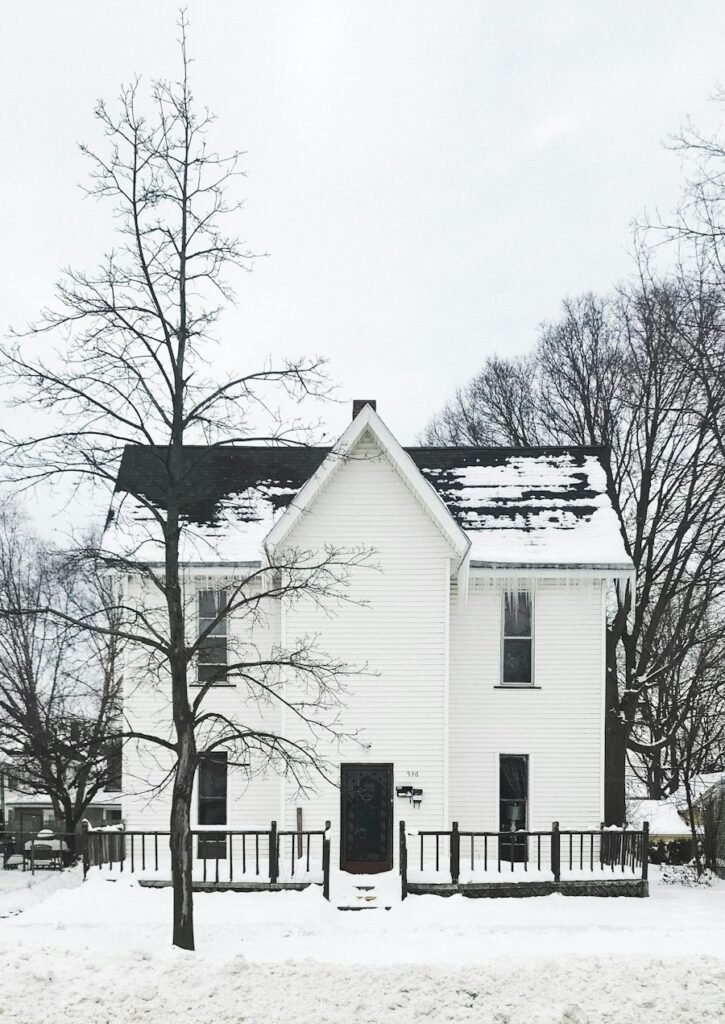
Spring is the time to repair what winter storms loosened. On Brigantine and Absecon Island, check drip edge, vent caps, ridge vents and flashings for rust and looseness, and look for cracked sealant at roof penetrations. In Atlantic City, walk flat roofs or have them checked for blistered seams, clogged scuppers and loose coping after the winter nor’easters. On the mainland in Egg Harbor Township, Galloway and Hamilton, look for missing shingles and stains on ceilings near exterior walls, and clear pine needles and oak catkins from valleys and gutters. Shore rental owners should book repairs before Memorial Day, when summer traffic and the Brigantine bridge make access slower. If your roof is over fifteen years old, a spring inspection gives you time to plan and budget before hurricane season arrives.
Summer brings heat, salt air, thunderstorms and the start of hurricane season. Flat roofs in Atlantic City and on additions in Ventnor and Margate take full sun, which dries out sealants and seams; look for cracks and ponding water after rain. Attics in mainland homes get very hot, so check that soffit and ridge vents are clear and that bath fans vent outside. Thunderstorms over the Pinelands, like the June 2012 derecho, can bring down pine limbs and lift shingles, so trim branches over the roof in Galloway, Hamilton and Hammonton. Island towns are busy in July and August, so non-urgent work is easier in June or September. Photograph your roof now so you have a before picture if a tropical storm arrives later in the season, which helps any insurance claim.
Fall preparation matters most, because nor’easter season usually starts in October. Clean gutters after leaves and pine needles drop in Egg Harbor Township, Galloway, Linwood and Mays Landing, and check that downspouts move water away from foundations. On island homes, secure loose flashing, vent caps and edge metal before the first coastal storm, and check gutter hangers for salt corrosion. In Atlantic City, clear scuppers and drains on flat roofs and check parapet coping, since standing water and winter freezing open seams. Check pipe boots, skylights and chimney flashing everywhere, because those are the most common winter leak points. Fall also offers good weather for replacing a failing shingle roof, with mild temperatures that help new shingles seal properly before winter. Book early, because fall schedules fill quickly after the first storm.
Winter in Atlantic County means coastal storms on the islands and colder, frostier nights in the pines. After a nor’easter, check for shingles or membrane pieces in the yard and wet spots in the attic, especially in Brigantine, Ventnor, Margate and Longport. Snow totals are lighter than in North Jersey, but storms like January 2016, when Atlantic City recorded 10.1 inches in a day, load flat and low-slope roofs and cause ice dams as snow melts and refreezes. Inland in Hamilton, Hammonton and Mullica, cold nights can cause attic frost that drips like a leak, so check ventilation. Use a roof rake from the ground, never chip ice, and clear drains on flat roofs. If water comes in, take photos and send an emergency request through our contact page, and keep receipts for any temporary protection.
In depth
Atlantic County Roofing Questions Local Pages Leave Out
Salt air on Absecon Island and Brigantine
On Absecon Island and Brigantine, salt air is the main thing that shortens roof life, and it attacks metal parts long before the shingles or membrane wear out. Atlantic City, Ventnor, Margate, Longport and Brigantine sit directly on the ocean, with bays behind them, so salt spray and humid wind reach every block.
Standard electro-galvanized roofing nails and steel flashing rust within a few years here. Rust stains on shingles, loose drip edge, crumbling vent caps and gutter hangers that snap are early signs. Once nails lose their grip, wind lifts shingles more easily, and corroded step flashing lets water behind siding and into walls.
For repairs and replacements on the islands, we use stainless or hot-dipped galvanized fasteners and aluminum, copper or coated flashing, chosen to avoid galvanic corrosion between different metals. Ridge vents, plumbing vent boots and exhaust caps should be corrosion-resistant too. On metal roofs, screws and sealant washers must match the panel material.
Sealants also age faster in sun and salt, so roof penetrations need checking every year or two. On raised homes, the roof sits higher into the wind, making edges and ridges the first place we inspect.
If you are buying on the island, an inspection with photos can show corrosion that is not visible from the street. Island homeowners in Ocean City and the Cape May barrier towns face the same problem; see our Cape May County roof repair page.
Flat roofs on Atlantic City rowhouses and multi-family buildings
Many Atlantic City homes and small apartment buildings have flat or low-slope roofs behind parapet walls, and most leaks come from the edges: coping, counter flashing, scuppers and drains. Neighbourhoods such as Chelsea, Ducktown, Venice Park and Chelsea Heights hold rowhouses and older multi-family buildings where the roof is out of sight and easily forgotten.
Flat roofs here are usually covered with modified bitumen, EPDM rubber, TPO or old built-up tar and gravel. Water should drain to scuppers or internal drains; when they clog with debris, water ponds and works into seams. Parapet coping, the cap on top of the wall, cracks or loosens, and water enters the wall cavity and shows up far from the actual entry point.
Shared walls add complications. A leak over one rowhouse can travel to a neighbour’s ceiling, and repairs at the party wall must keep fire separation intact. Attached homes and multi-family buildings also need a construction permit for reroofing, because the ordinary maintenance exemption covers only detached one- and two-family homes.
Repair is usually right when the membrane is sound and the problem is a seam, a scupper or a section of coping. Replacement is better when the membrane is blistered and cracked throughout, or when wet insulation is spread across the roof. We photograph the whole roof so owners and landlords see the condition clearly. Read more about flat roof repair in Atlantic County.
Casino, hotel and high-rise roofs
Roofing on Atlantic City’s casinos, hotels and condo towers is commercial work, with permits, safety plans and coordination with building engineers, and it focuses on large membranes, rooftop equipment and podium decks. The city has nine operating casinos plus beachfront hotels and high-rise residential buildings along the Boardwalk and in the Marina district.
These roofs take constant wind and salt, and the larger the membrane, the more seams, curbs and penetrations there are to fail. Rooftop HVAC units, exhaust fans, antennas and window-washing equipment sit on curbs that need flashing. Lower podium roofs over parking, retail and pool decks carry foot traffic, planters and drains.
Repairs here are planned around building operations. Work may need crane or hoist access, fall protection and coordination with security, and the property manager typically wants insurance certificates and a written scope before crews arrive. For condo towers, the association decides scope and schedule.
We focus on practical repair and maintenance: seam repairs, curb and penetration flashing, drain and scupper repairs, coping and counter flashing, plus photo reports that help managers budget. Larger replacements are planned in phases so the building stays dry. Commercial roofing in New Jersey always needs permits, and we plan for them. See commercial roofing for more on how we handle larger buildings and multi-unit properties across South Jersey.
Mainland subdivisions: repair or replace?
In Egg Harbor Township, Galloway, Hamilton and Absecon, many homes from the 1980s through the 2000s are on their first or second roof, and the choice between repair and replacement depends on shingle age, layers and deck condition. Atlantic County’s median build year is 1977, but the big mainland townships kept building well into the 2000s.
Start with age and layers. Architectural shingles installed around 2000 to 2005 are now twenty years old. If the shingles are still flat and keeping their granules, and the leak comes from one place such as a pipe boot, skylight or chimney, a repair is usually the better value. If shingles are curling, granules are piling up in gutters, or several leaks have appeared, replacement makes sense. New Jersey allows a maximum of two layers, so a home with two layers already must be torn off.
Inland homes in the pines have their own issues. Pine needles pack valleys and gutters and hold water at the eaves, rotting the deck. Shade grows algae and moss. And cold Pinelands nights can create attic frost that looks like a leak, and better ventilation is the fix for that.
We provide both options in writing with photos, and our workmanship warranty is 2 years on repairs and 10 years on full replacements, in writing. If your home is close to the county line in Buena Vista or Folsom, our Cumberland County roof repair page covers nearby conditions too.
Pinelands and farm properties around Hammonton
Thirteen Atlantic County municipalities lie in the Pinelands, and in towns like Hammonton, Mullica, Folsom, Buena Vista and Estell Manor, roof work often includes farmhouses, barns and outbuildings as well as the main house. Hammonton, Egg Harbor City, Folsom and Mullica sit entirely inside the state-designated Pinelands Area.
Older farmhouses often carry several roof layers and wood plank decks under them. When those roofs are opened, we often find old skip sheathing or rot that must be replaced, which requires a permit. Porch roofs, added kitchens and shed additions frequently have lower slopes that need low-slope materials rather than shingles.
Barns and farm buildings often have metal roofs. Exposed-fastener panels need screws and washers replaced as they loosen and rust, and seams and ridge caps need sealing. On standing-seam roofs, we check clips and seams and repair flashings at walls and vents.
Pinelands rules generally apply to development such as additions, new buildings and land clearing. Routine repair of an existing roof generally does not need a Pinelands application, but if you are adding a building or expanding a footprint, check the Pinelands Commission’s exemption guidance and your town. Long driveways, soft ground and distance also affect scheduling, so we plan rural visits carefully. Across the Mullica River, Pinelands homes in Little Egg Harbor and Tuckerton are covered on our Ocean County roof repair page.
Choosing an Atlantic County roofer after a storm
After a storm in Atlantic County, choose a roofer who is registered in New Jersey, gives you a written contract and shows you photos of the real damage before taking a deposit. Every home improvement contractor in the state must register with the Division of Consumer Affairs; the registration number starts with 13VH and can be checked at the state license lookup. Registration requires at least $500,000 in commercial general liability insurance.
New Jersey’s contractor law, N.J.S.A. 56:8-151, requires a written, signed contract that shows the contractor’s legal name, business address and registration number, the total price and an insurance certificate copy, with a three-business-day right to cancel.
After big events like Sandy or the June 2012 derecho, out-of-area crews arrive quickly in shore counties. Be careful with anyone asking for a large deposit before materials arrive, pressing you to sign the same day, offering to cover your deductible, or saying the entire roof must be replaced without showing you photos.
Ask Atlantic County questions: What fasteners will you use on my Margate home? Does my Atlantic City rowhouse need a permit? Is my Galloway townhome’s roof the association’s responsibility? Can you separate wind damage from flood damage for my insurer? A good roofer answers clearly. We do that during a free inspection with photos. Learn more about roof repair NJ across our service area.
FAQ
Roof Repair in Atlantic County, NJ: Frequently Asked Questions
Do I need a permit for roof repair in Atlantic County?
Not for most repairs or reroofs on a detached one- or two-family home, which New Jersey treats as ordinary maintenance. Permits are required for deck or structural work, a third layer, Atlantic City rowhouses, townhomes, condos, multi-family buildings and all commercial roofs, through the municipal construction office.
How much does roof repair cost in Atlantic County?
As of November 2026, most roof repairs run about $350 to $2,500. Small shingle or boot repairs cost $350 to $800, a single leak $400 to $1,500, and flat roof patches $400 to $2,500. Raised island homes, salt-rated materials and commercial work cost more.
Why do roofs wear out faster in Atlantic City and Margate?
Salt air corrodes standard nails, steel flashing, vent caps and gutter hangers, and constant wind stresses ridges and edges. Sun and salt also dry out sealants. Using stainless or hot-dipped fasteners and aluminum or copper flashing extends roof life on Absecon Island and Brigantine.
What causes leaks on Atlantic City flat roofs?
Most leaks start at the edges and drains: cracked parapet coping, failed counter flashing, clogged scuppers and open seams where water ponds. Shared walls on rowhouses let water travel between buildings, so the stain may be far from the entry point. Regular drain cleaning prevents many leaks.
Is storm damage on a Brigantine home covered by insurance?
Wind damage to shingles and roofing is usually covered by a homeowners policy, often with a separate wind or hurricane deductible near the shore. Surge and flood water is covered only by flood insurance. Wear, age and corrosion are usually excluded. Your policy and agent have the final word.
Do Pinelands rules affect roof work in Hammonton or Galloway?
Usually not for routine repair or replacement of an existing roof. Thirteen Atlantic County towns are in the Pinelands, and additions, new buildings or land clearing there may need Pinelands review. Check the Pinelands Commission’s exemption guidance or ask your municipality about a specific project.
How much does a new roof cost in Egg Harbor Township?
A full replacement on a typical home of about 1,700 square feet usually runs $8,500 to $17,000, averaging around $13,500 based on Fixr’s 2026 New Jersey data. Larger colonials, complex rooflines, skylights and deck repairs raise the price. A free inspection gives you a written quote.
Why does my attic drip in winter in Hamilton or Mullica?
Often the cause is attic frost. Pinelands nights get much colder than the coast, and moisture from the house freezes on the underside of the roof deck, then drips when it thaws. Better attic ventilation and sealing air leaks from the living space usually solve it.
Who repairs the roof on an Atlantic County condo or townhome?
Usually the association, depending on the master deed and bylaws. High-rise condos and townhome communities often treat roofs as common elements covered by the master policy. Report leaks in writing with photos, and confirm responsibility before hiring a roofer. Attached homes need permits for reroofing.
How do I get a free roof inspection in Atlantic County?
Send a request through the Roof Repair SNJ contact page with your town and a short description or photos. We inspect the roof, take dated photos, explain what we find and provide a written itemized quote. The inspection is free and there is no obligation.
Reviewed by the Roof Repair SNJ team · Last updated November 2026
Nearby
Roof Repair Near Atlantic County
We also work in the counties next to Atlantic County. See every county we serve on our New Jersey service areas page, or start from our roof repair NJ homepage.
Free inspection
Get a Free Roof Inspection in Atlantic County
Whether it is salt-rusted flashing in Ventnor, a flat roof on an Atlantic City rowhouse or twenty-year-old shingles in Galloway, start with a free inspection, dated photos and a written quote. Book an inspection in Atlantic County or send us your roof photos. You decide what happens next, with no pressure and no obligation.
No pressure and no obligation. If a repair will do, we’ll tell you.
Roof Repair SNJ
- Serving all 23 Atlantic County towns
- Request roof service in Atlantic County
- Mon–Fri 5:00 AM–10:00 PM · Sat 5:00 AM–6:00 PM · Emergencies 24/7
Sources: N.J.A.C. 5:23-2.7 Ordinary maintenance (Cornell LII) · N.J.S.A. 56:8-151 Home improvement contracts (Justia) · NJ Division of Consumer Affairs license verification · Stacker: Counties with the oldest homes in New Jersey (Census ACS 2023) · Census Reporter: Atlantic County, NJ (ACS 2024) · National Hurricane Center, Tropical Cyclone Report: Hurricane Sandy · National Hurricane Center, Tropical Cyclone Report: Hurricane Irene · June 2012 North American derecho (Wikipedia) · January 2016 United States blizzard (Wikipedia) · Atlantic City, New Jersey (Wikipedia) · Office of the NJ State Climatologist, Rutgers: Climate overview · NJ Pinelands Commission: Pinelands municipalities · NJ Pinelands Commission: Application guidance and exemptions · FEMA: Substantial improvement and substantial damage · Roof Observations: New Jersey roof cost guide (Jan 2026) · Fixr: Roof replacement cost in New Jersey (2026). Prices are planning ranges, not quotes. Permit and insurance information is general guidance; your town, policy and agent have the final word.