
Roof Repair NJ › NJ Locations › Cumberland County
Vineland · Millville · Bridgeton · 14 towns
Roof Repair in Cumberland County, NJ: Homes, Farms and Bayshore Roofs
Roof Repair SNJ repairs leaks, storm damage and worn roofs in all 14 Cumberland County municipalities, from Vineland, Millville and Bridgeton to the Delaware Bayshore villages and the farm townships. Each job starts with a free inspection with photos and a written itemized quote, with attention to Bridgeton’s historic district, bayshore flood zones and farm buildings.
- City homes, farmhouses and bayshore cottages
- Barns, packing sheds and pole buildings too
- Written itemized quotes after every inspection
Free roof inspection in Cumberland County
Photos of every problem we find and an itemized written price before any work. Emergency requests handled 24/7.
Roof Repair SNJ
14 Cumberland County towns · all 21 NJ counties
Free inspection
Roof, attic and gutters checked at no cost.
Insured
Liability and workers’ comp; certificate on request.
Written quotes
Itemized price in writing before any work.
Photo-documented
Every problem photographed, before and after.
Cumberland County at a glance
Cumberland County at a Glance: What Shapes Its Roofs
Cumberland County is three small cities surrounded by New Jersey’s most productive farmland and a long, low Delaware Bay shoreline. Roof work here ranges from 19th-century houses in Bridgeton’s historic district to ranches in Vineland, metal barns in Upper Deerfield and raised cottages near Fortescue, with bay humidity and summer wind storms as the common threads.
County seat
Bridgeton
Bridgeton sits on the tidal Cohansey River near Delaware Bay and holds the largest historic district of any New Jersey municipality, covering about a quarter of the city.
Population
154,152 (2020)
Combined 2020 Census total for the 14 municipalities. Vineland alone has 60,780 residents, followed by Millville at 27,491 and Bridgeton at 27,263.
Farm economy
1st in NJ for farm sales
The 2022 Census of Agriculture lists $305 million in sales, 539 farms and 68,491 acres, ranking first in the state for nursery and greenhouse sales and for vegetables.
Land and water
678 sq mi, 29% water
Wikipedia describes a low-lying coastal county with many salt marshes along Delaware Bay, rising only to about 140 feet at its highest point in Upper Deerfield.
Housing
57,446 units
ACS 2024 estimates show 57,446 housing units and 54,166 households, with a median owner-occupied value of about $249,900, well below the state median.
Pinelands Area
Vineland, Maurice River
The Pinelands Commission lists Vineland and Maurice River Township as Pinelands Area municipalities, which can matter for additions and new structures more than ordinary roof repair.
Homes & roofs
What Kinds of Homes and Roofs Does Cumberland County Have?
Cumberland County housing runs from Victorian and earlier houses in Bridgeton and Millville to mid-century ranches across Vineland, old farmhouses in the western townships and small cottages along the bay. Farm and commercial buildings are a large share of the roofs here, which sets this county apart from its suburban neighbors.
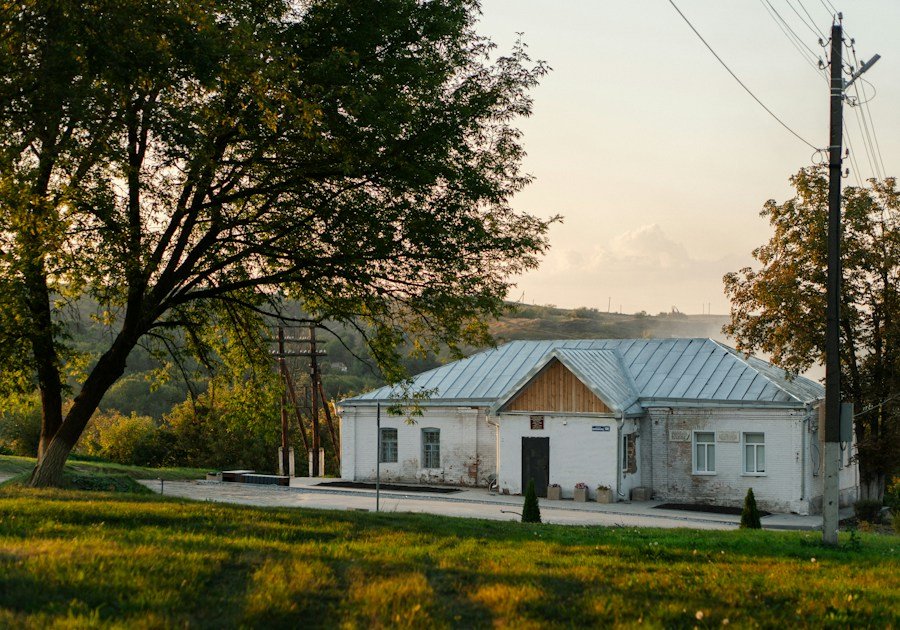
Bridgeton historic district
Bridgeton’s district, listed on the National Register in 1982, holds more than 2,000 properties, many Late Victorian frame and brick houses with steep gables, porches, bay windows and decorative cornices. Common problems are worn slate or old asphalt over original wood shingles, failing box gutters, porch roof leaks and deteriorated chimney flashing. Repairs inside the district can require a certificate of appropriateness from the city.
Vineland’s grid and neighborhoods
Vineland was laid out by Charles K. Landis starting in 1861, with Landis Avenue as its spine. Older homes near downtown include early 1900s frame houses, while East, South and North Vineland hold ranches, capes and split-levels from the 1950s on, plus newer subdivisions. Asphalt shingles dominate, often on second layers, with chimney, valley and pipe boot leaks as the usual repairs.
Millville’s older neighborhoods and Union Lake
Millville grew around glass factories, the first opening in 1806, and its older streets have modest worker homes, twins and Victorian houses near downtown and the Maurice River. Newer ranches and colonials ring Union Lake and the outskirts. Old homes often need deck repair under worn shingles, new flashing at chimneys, and attention to low-slope porch and rear additions.
Farmhouses and barns in the western townships
Upper Deerfield, Hopewell, Stow Creek, Deerfield, Greenwich and Shiloh have 19th-century farmhouses, some older, with steep roofs, multiple chimneys and additions built over decades. Barns, equipment sheds and packing houses carry metal, older asphalt or built-up roofs. Wind across open fields is the main threat, along with rust on exposed-fastener metal panels and leaks where additions meet the main house.
Delaware Bayshore cottages and raised homes
Fortescue and Gandys Beach in Downe, Bay Point in Lawrence, Heislerville and Thompson’s Beach area in Maurice River, and Port Norris in Commercial have small cottages, fishing homes and raised houses on pilings. Salt, humidity and wind off the bay corrode fasteners and flashing. Flood zones and the 50% substantial-damage rule shape what can be repaired after big storms.
Greenhouses, nurseries and packing sheds
Cumberland leads New Jersey in nursery and greenhouse sales, and many operations around Vineland, Upper Deerfield and Deerfield also run headhouses, packing sheds, coolers and offices with metal or flat roofs. Those buildings need leak repair, seam and fastener maintenance, and gutter work between growing seasons. Glass and poly greenhouse glazing is specialty work; we focus on the conventional roofs around it.
Manufactured homes and mobile home parks
Manufactured homes are common in Vineland, Millville, Maurice River and the rural townships. Their low-slope metal or shingle roofs leak at seams, vents and roof-over joints, and their light framing makes careful repair important. Roof coatings, vent boot replacement and seam sealing are typical work, and we check that any roof-over system is properly fastened against summer wind.
Commercial and industrial buildings
Vineland’s industrial park, Millville’s airport area, which began as a World War II Army Air Field, and Bridgeton’s glass and food plants have flat and metal roofs. Downtown storefronts along Landis Avenue and in Bridgeton have older built-up roofs with parapets. Typical work includes TPO and EPDM seam repair, coping and flashing replacement, and drain clearing.
Cumberland County weather
How Does Cumberland County Weather Damage Roofs?
Cumberland County roofs face summer wind storms, bay humidity, tidal flooding along the shore and freeze-thaw cycles inland. The county’s flat, open farmland lets wind build speed, and its long bayshore takes the brunt of coastal storms, as the 2012 derecho and Hurricane Sandy showed.
The June 2012 derecho
On the night of June 29 to 30, 2012, a derecho crossed southern New Jersey with gusts of 60 mph to nearly 90 mph. Cumberland declared a state of emergency, and FEMA’s disaster declaration DR-4070 covered public assistance for Cumberland, Atlantic and Salem counties, mostly for debris. Downed trees and limbs were the main problem, and some areas were without power for a week.
Hurricane Sandy and the Bayshore
Sandy in October 2012 dealt Delaware Bay communities what WHYY called a nearly lethal blow. Bay Point in Lawrence Township was largely bought out and demolished, half of Money Island in Downe sold through the state’s Blue Acres program, and Sea Breeze is nearly gone. Homes that remain along the bay face strict flood rules, and their roofs take direct wind off open water.
Millville tornado, August 2019
In August 2019, the National Weather Service confirmed an EF-0 tornado with winds near 70 mph in Millville, touching down in a solar field beside the city’s sewer facility and destroying several rows of panels. It was brief, but it shows how summer storms here can produce sudden, localized wind damage to roofs, solar arrays and outbuildings.
Delaware Bay humidity
Rutgers climate data notes that Delaware Bay adds a maritime influence to southwest New Jersey. Humid summers and damp springs mean poorly ventilated attics can condense moisture, rot sheathing and grow mold. Algae streaks are common on north slopes, and moss grows on shaded roofs near woods along the Maurice River and in Commercial and Downe Townships.
Open farmland and summer thunderstorms
Cumberland’s flat fields give thunderstorms and wind little to slow them down. Barns, pole buildings and farmhouses in Upper Deerfield, Hopewell and Stow Creek take straight-line wind that peels metal panels and lifts shingles at rakes and ridges. Hail is less frequent, but it does strike, denting metal roofs and bruising shingles, and wind-driven rain finds any loose lap or open seam on the long roofs of farm buildings.
Freeze-thaw winters
Inland Cumberland is colder in winter than the coast, and repeated freezing and thawing loosens flashing, cracks old mortar at chimneys and opens gaps in aging shingles. Snow totals are modest compared with North Jersey, but ice dams still form on older capes and farmhouses with poor insulation. Winter nor’easters push rain and wind against the bayshore.
Roofing services
Which Roof Repair Services Do Cumberland County Properties Need?
Cumberland County roof work centers on storm and leak repair for homes, metal and flat roofs on farm and commercial buildings, and careful work on historic houses in Bridgeton. Here is how each of our 12 services applies here, including metal roof repair for Cumberland County barns and sheds and roof leak repair in Vineland and Millville.
Roof Leak Repair in Cumberland County
Leaks in Cumberland County often come from worn flashing at chimneys and valleys on older Vineland and Millville homes, or from additions on farmhouses that were never properly tied in. We trace the water with photos, test when needed, and fix the source rather than covering it with sealant.
Emergency Roof Repair in Cumberland County
After severe thunderstorms or a derecho-style event, fallen trees and lifted shingles can leave roofs open. We tarp and secure the roof when conditions are safe, then document the damage. Emergency requests from Vineland, Bridgeton, the farm townships and the Bayshore come through our contact page.
Storm Damage Roof Repair in Cumberland County
Storm damage here usually means wind-lifted shingles, peeled metal on barns and tree impacts. We photograph each slope and building, separate storm damage from wear, and give you a written itemized quote you can share with your insurer, whether the damage is on a house or a farm building.
Roof Replacement in Cumberland County
Many Cumberland homes from the 1950s through 1980s carry second-layer roofs that are near the end of their life. Replacement means tearing off both layers, repairing deck, and installing ice and water shield at eaves and valleys, new drip edge and flashing, and proper ventilation for humid bay summers.
Roof Inspection in Cumberland County
Inspections suit Cumberland buyers, sellers and farm owners alike. We check shingles, flashing, decking and attic ventilation on homes, and fasteners, seams and drainage on barns and commercial roofs. You get photos and a plain-language list of what needs work now and what can wait.
Flat Roof Repair in Cumberland County
Flat roofs cover storefronts on Landis Avenue, Bridgeton’s downtown, industrial buildings and many rear additions. We repair TPO and EPDM seams, modified bitumen blisters, built-up roofs, parapet coping and drains. Ponding near drains and failed flashing at walls are the most common problems.
Metal Roof Repair in Cumberland County
Metal roofs are common on barns, pole buildings, packing sheds and some homes. We replace worn or missing fasteners and washers, treat rust, reseal laps and ridge caps, and re-secure panels lifted by wind. Exposed-fastener panels need periodic attention, especially on buildings in open fields.
Slate Roof Repair in Cumberland County
Slate survives on some Bridgeton historic houses, churches and older Millville buildings. We replace broken slates with matching stock, repair flashing and valleys, and avoid damaging sound slate. In Bridgeton’s historic district, keeping original slate where possible usually smooths the certificate of appropriateness process.
Shingle Roof Repair in Cumberland County
Asphalt shingles cover most Cumberland homes. We replace lifted or missing shingles after wind, reseal tabs, fix pipe boots and step flashing, and match color as closely as possible. On rural homes exposed to open-field wind, we hand-seal repairs so they hold through the next storm.
Roof Cleaning in Cumberland County
Humidity from the bay and shade from woods near the Maurice River and in Commercial and Downe Townships grow algae and moss. We use low-pressure, shingle-safe cleaning that removes growth without damaging granules, and we check flashing and fasteners while on the roof.
Gutter Repair in Cumberland County
Gutters on older Bridgeton and Millville homes include box gutters built into the cornice, which can rot and leak into walls. On newer homes and farm buildings, we repair seams, hangers and downspouts, and on barns we add or fix gutters to keep water away from foundations and doors.
Commercial Roofing in Cumberland County
Cumberland’s food processors, glass plants, warehouses, greenhouse operations and retail centers need reliable flat and metal roofs. We repair and maintain TPO, EPDM, modified bitumen and metal systems, and schedule work around production, harvest and shipping seasons to keep operations running.
Cumberland County rules
Do You Need a Permit for Roof Repair in Cumberland County?
Permits & local review
For detached one- and two-family homes, roof covering repair or replacement is ordinary maintenance under N.J.A.C. 5:23-2.7 and needs no permit, inspection or notice. That covers most houses in Vineland, Millville and the townships. These Cumberland County situations change the answer:
- Bridgeton historic district. Bridgeton’s ordinance creates an advisory Historic District Commission and requires a certificate of appropriateness before repair, alteration or demolition in a historic district or on a landmark. The roof is listed as an architectural feature, and changes to material type, color or texture count, so check with the city before changing roofing materials.
- Attached homes and commercial buildings. Twins, rowhouses, apartment buildings and commercial or farm buildings that are not detached one- or two-family dwellings need a permit from the municipal construction office.
- Structural work. Deck replacement, rafter repair or adding a third layer all need permits.
- Bayshore flood zones. In Downe, Lawrence, Commercial, Maurice River and Fairfield, if repairs after a storm reach 50% of a building’s pre-damage market value, FEMA’s substantial-damage rule can require floodplain compliance.
- Pinelands. Vineland and Maurice River are Pinelands Area municipalities; roof repair is rarely affected, but additions or new buildings may need review.
Insurance claims
Homeowners insurance usually covers sudden roof damage from wind, hail and fallen trees in Cumberland County, and usually excludes wear, age and neglect. After the 2012 derecho, many claims involved trees falling on roofs, which are generally covered when a storm causes the fall. Farm buildings are often insured under separate farm policies with different terms, so check whether your barn, packing shed or greenhouse headhouse is covered and for what. Along the Bayshore, wind damage goes to your homeowners carrier, but storm surge flooding requires a separate flood policy. Good documentation helps: we provide dated photos of each damaged area, a written description of storm damage versus existing wear, and an itemized repair quote. Your policy and agent have the final word on coverage and deductibles.
Pricing · updated November 2026
How Much Does Roof Repair Cost in Cumberland County?
As of November 2026, most Cumberland County roof repairs cost $350 to $2,500, while full replacements typically run $8,500 to $17,000 across New Jersey. Costs depend on the building, the roof type and how much hidden damage is found. Our roof repair cost guide for New Jersey explains the details.
Minor shingle repair
$350 – $800
Replacing a few shingles lifted by wind on Vineland ranches, Millville capes or farmhouses in Upper Deerfield and Hopewell, with hand-sealing to resist the next open-field storm.
Pipe boot or vent flashing
$250 – $600
Replacing cracked boots and vent flashing on homes and manufactured homes across the county, a common source of slow leaks into ceilings and attics during humid summers.
Single-source leak repair
$400 – $1,500
Tracing and fixing one leak at a chimney, valley, wall or addition tie-in, typical on older Bridgeton and Millville houses and on farmhouses built in stages.
Chimney or valley repair
$500 – $1,800
New step and counter flashing at chimneys or rebuilt valleys on older Vineland and Bridgeton homes, where freeze-thaw cycles crack mortar and loosen old metal.
Flat or metal roof repair
$400 – $2,500
Seam and blister repair on storefront and industrial flat roofs, or fastener and panel repair on barns, pole buildings and packing sheds, sized by area and access.
Emergency tarp or deck repair
$300 – $2,000+
Storm tarping runs $300 to $1,200, and replacing a rotted deck section runs $500 to $2,000 or more, common under worn second-layer roofs on mid-century Cumberland homes.
What moves the price in Cumberland County
- Second layers. Many Cumberland homes have two layers of shingles, so replacement means a heavier tear-off and disposal, and possible deck repair underneath.
- Historic materials. In Bridgeton’s historic district, keeping slate, box gutters or decorative trim takes more labor than standard asphalt work.
- Farm building size. Barns and packing sheds have large roof areas, so even fastener replacement adds up, and steep or tall barns may need lifts.
- Rural travel. Townships like Downe, Stow Creek and Greenwich are spread out, and trips to remote farms or bayshore homes take longer.
- Bayshore exposure. Homes near Fortescue, Gandys Beach and Heislerville need corrosion-resistant fasteners and flashing, which cost more.
- Hidden deck rot. Bay humidity and poor ventilation can rot sheathing that only shows up once shingles are removed.
- Manufactured homes. Light framing and special materials for roof-overs or coatings affect labor and product choices.
- Storm demand. After big wind events, demand rises sharply, so early inspection keeps your place in line.
Planning ranges as of November 2026, not quotes. Repair ranges are Roof Repair SNJ site-wide planning figures; replacement range from Fixr (2026) and installed material costs from the Roof Observations NJ guide (January 2026). Your written itemized quote after a free inspection is the price that counts.
Who does the work
Why Cumberland County Homeowners Choose Roof Repair SNJ
- Repairing NJ roofs for 25+ years
- General liability + workers’ comp insurance
- Workmanship warranty: 2 years on repairs, 10 years on full replacements, in writing
- Photo report with every inspection
Check any roofer before you sign in Cumberland County
Ask for the 13VH registration number and confirm it on the NJ license lookup. NJ law requires a signed written contract showing the registration number and total price, and gives you until midnight of the third business day to cancel (N.J.S.A. 56:8-151).
14 towns
Roof Repair Notes for Cumberland County Towns
Cumberland County’s three cities hold most of its people, but its townships cover farms, forests and the bay, and each area has its own roof patterns. These notes cover the largest and most distinct municipalities; all 14 are listed below. Nearby, we also cover Salem County roof repair, roof repair in Gloucester County and Cape May County roof repair, as part of our roof repair NJ service.
Vineland
Vineland is the county’s largest city at 60,780 residents and covers nearly 69 square miles, from its Landis Avenue downtown to farms and woods at the edges. Older frame homes near downtown need flashing and deck repair, while ranches and split-levels across East, South and North Vineland often have second-layer roofs. Greenhouses, farms and the industrial park add metal and flat roofs.
Millville
Millville, with 27,491 residents, grew on glassmaking along the Maurice River and around Union Lake. Its older streets have worker homes, twins and Victorians with chimneys and porches, while newer neighborhoods have ranches and colonials. The airport area, which began as a 1943 Army Air Field, has industrial and commercial roofs. An EF-0 tornado struck near the city’s sewer facility in 2019.
Bridgeton
Bridgeton, the county seat with 27,263 residents, sits on the Cohansey River and holds New Jersey’s largest municipal historic district, with more than 2,000 properties. Victorian frame and brick houses, rowhouses and churches have slate, box gutters and complex roofs. Roof material changes in the district can require a certificate of appropriateness, and attached rowhouses need permits.
Upper Deerfield
Upper Deerfield, home to 7,645 people and the county’s highest ground, mixes farms, the Seabrook area and suburban homes near Carll’s Corner. Farmhouses, barns and packing sheds carry metal and older roofs exposed to wind across open fields. Ranches and newer homes need storm and shingle repair, while ag buildings need fastener and panel work.
Maurice River Township
Maurice River Township, with 6,218 residents, is large and lightly settled and includes Port Elizabeth, Dorchester, Leesburg and Heislerville. Much of it lies in the Pinelands Area, and its bay edge has seen buyouts after Sandy. Roofs here face woods, humidity and moss inland, and salt and wind near the bay.
Fairfield Township
Fairfield, with 5,546 residents, includes Fairton and wide marshland along the Cohansey River and the bay. Homes range from older frame houses to ranches and manufactured homes, with farm buildings on its rural roads. Sea Breeze, a bayfront community, has nearly disappeared after decades of storms. Wind and humidity drive most roof repairs here.
Commercial Township
Commercial Township, with 4,669 residents, includes Port Norris, once the center of the county’s oyster industry, and Laurel Lake. Older homes from the oyster era, ranches and manufactured homes share the township. Bay humidity, salt and wind wear on flashing and fasteners, while shaded woods grow moss on many roofs.
Downe Township
Downe Township, with 1,399 residents, covers Newport, Dividing Creek, Fortescue, Gandys Beach and Money Island along Delaware Bay. Half of Money Island’s properties were sold through Blue Acres after Sandy. Remaining bay homes are often raised and face direct wind and salt, plus flood-zone rules that affect major storm repairs.
Lawrence Township
Lawrence Township, with 3,087 residents, centers on Cedarville and includes farmland and the bayfront at Bay Point, which was largely demolished after Blue Acres buyouts. Farmhouses and outbuildings need wind and metal roof repairs, and homes near the bay face salt exposure and flood rules.
Greenwich and Hopewell
Greenwich, with 771 residents, is known for its 1774 tea burning on the Cohansey River and its colonial-era houses. Hopewell, with 4,391 residents, borders Shiloh and is mostly farmland. Both have old farmhouses, barns and historic homes with steep roofs, multiple chimneys and additions, where flashing, deck repair and careful material matching matter most.
All 14 municipalities we serve in Cumberland County
Vineland · Millville · Bridgeton · Upper Deerfield · Maurice River · Fairfield Township · Commercial · Hopewell Township (Cumberland County) · Deerfield · Lawrence Township (Cumberland County) · Downe · Stow Creek · Greenwich Township (Cumberland County) · Shiloh
Seasonal roof care
Cumberland County Roof Maintenance Calendar
In Cumberland County, plan roof work around storm season and farm schedules: inspect in spring, watch for summer wind damage, repair in fall before harvest ends, and keep winter repairs to what is urgent. Farm and commercial owners often time work between planting and harvest.
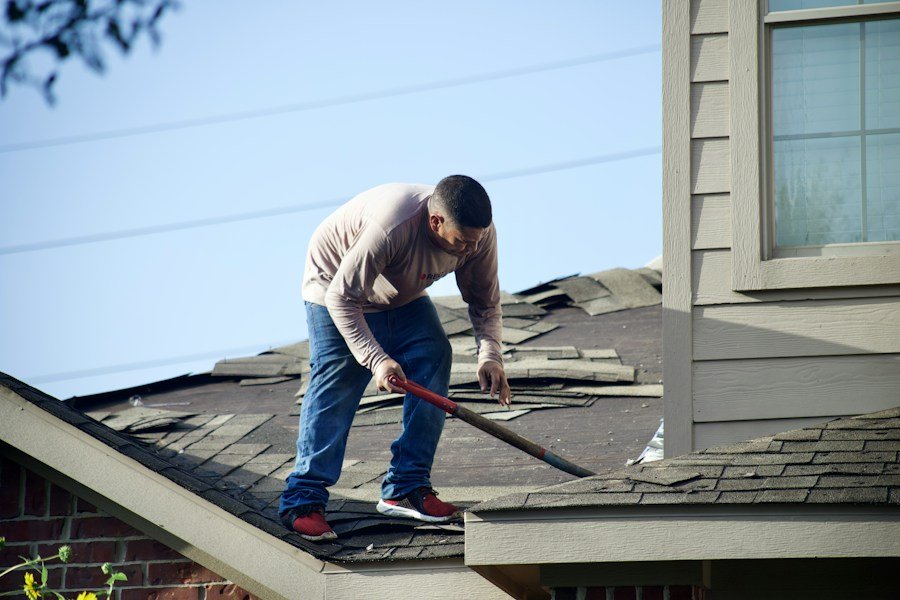
Spring is the time to find winter damage before summer storms arrive. Freeze-thaw cycles loosen flashing, crack chimney mortar and open gaps in older shingles on Vineland, Millville and Bridgeton homes. Check attics for stains and damp insulation, especially in older houses with poor ventilation. Farm owners should inspect barns, packing sheds and greenhouse headhouses before the busy season, tightening fasteners and resealing laps on metal roofs. Clear gutters and downspouts of winter debris so spring rains drain away from foundations. On the Bayshore, look for damage from winter nor’easters on raised cottages near Fortescue and Heislerville. Spring is also a good time to plan any work in Bridgeton’s historic district, since a certificate of appropriateness review takes time before work can start.
Summer brings Cumberland County’s most damaging wind events, so repair storm damage quickly and keep attics ventilated. The June 2012 derecho and the August 2019 Millville tornado both struck in summer. After a severe thunderstorm, look for lifted shingles, peeled metal panels on barns, fallen limbs and new ceiling stains. Tarp any openings fast to prevent interior damage. Heat and humidity from Delaware Bay make attic ventilation important, because trapped moist air can rot sheathing and grow mold. Pipe boots and sealants also crack in strong sun. Farm owners busy with harvest should still report storm damage promptly, since insurance claims often have time limits. Flat roofs on stores and warehouses should be checked for ponding after heavy downpours.
Fall is the best season for repairs and replacements in Cumberland County, with mild weather and fewer storms. Schedule full replacements for older homes, especially those with second-layer roofs, before winter. Clean gutters after leaves fall, particularly on homes near woods along the Maurice River and in Commercial and Downe Townships. Have chimneys checked and re-flashed before heating season. Farm and greenhouse owners can schedule roof work on barns, sheds and headhouses after harvest. Commercial owners should clear drains and scuppers on flat roofs. Fall is also hurricane season’s tail end, so Bayshore owners should secure loose flashing and shingles before nor’easters arrive. Historic district projects in Bridgeton can be wrapped up before winter.
Winters in Cumberland County are moderate, but freeze-thaw cycles, ice dams and nor’easters still damage roofs. Snow totals are lower than in North Jersey, but a heavy, wet snowfall can stress older barns and flat roofs. Watch for ice dams on older capes and farmhouses with poor insulation, and keep gutters clear so meltwater drains. Along the Bayshore, nor’easters push wind and water against raised homes and can tear shingles and flashing. After a storm, check for missing shingles, debris on flat roofs and water stains inside. Most full replacements wait for milder weather, but emergency repairs and tarping can be done whenever it is safe. Winter is also a good time to plan spring projects and get written quotes.
In depth
Cumberland County Roofing Questions Most Contractors Skip
Repairing roofs in Bridgeton’s historic district
In Bridgeton’s historic district, check with the city before changing roofing materials, because a certificate of appropriateness can be required for repair or alteration. The district, listed on the National Register in 1982, is the largest of any New Jersey municipality, with more than 2,000 properties covering about a quarter of the city. Many are Late Victorian houses with steep gables, porches, dormers and box gutters.
Bridgeton’s ordinance establishes an advisory Historic District Commission that reviews applications and reports to the approving authority. The roof is listed as an architectural feature, and changes to the type, color or texture of materials count as alterations. Ordinary maintenance that restores deteriorated elements in kind is defined separately, so ask the city whether your project needs review.
Common problems on these homes include slate with broken or missing pieces, old asphalt laid over original wood shingles, box gutters that have rotted inside the cornice, and porch roofs that leak where they meet the house. Box gutter leaks often show up as stains on interior walls or rot at the cornice rather than on ceilings.
Our approach is to document the roof with photos, explain what can be repaired in kind, and give you a written scope you can share with the city. Repairing original slate, relining box gutters and preserving trim often costs more than standard work, but it protects the home’s character and value and usually eases the review process.
Roofs on barns, packing sheds and farm buildings
Cumberland County farm buildings need regular roof maintenance because their large metal and older roofs take wind across open fields and protect equipment, crops and livestock. The county ranks first in New Jersey for farm sales, with 539 farms on 68,491 acres in the 2022 Census of Agriculture, and first in both nursery and greenhouse sales and vegetables.
Exposed-fastener metal roofs are common on barns, pole buildings and packing sheds. Over time, rubber washers dry out, fasteners back out from thermal movement, and laps and ridge caps open up. Wind from summer thunderstorms and derecho-type events can peel panels starting at the edges. Older barns may have asphalt roll roofing or built-up roofs that crack and blister.
Maintenance includes replacing failed fasteners with new gasketed screws, resealing laps and ridge caps, treating rust, and re-securing loose panels. Gutters and downspouts on barns keep water away from doors and foundations. For flat or low-slope sheds and headhouses, seams and drains need checking.
Timing matters on working farms. We schedule around planting and harvest when possible, and handle storm damage quickly so crops and equipment stay dry. Farm buildings are often covered by farm insurance policies rather than homeowners policies, so check your coverage before a claim. Our photos and written quotes separate each building, which helps both insurers and lenders.
Bayshore homes after Sandy: what can be repaired
On Cumberland County’s Delaware Bayshore, roof repairs are allowed like anywhere else, but after a major storm, total repairs over 50% of a home’s pre-damage market value can trigger FEMA’s substantial-damage rules. That can require bringing the home into floodplain compliance, including elevation.
Sandy hit the Bayshore hard in October 2012. WHYY reported that most of Bay Point in Lawrence Township was slated for demolition and half of Money Island in Downe had been sold through the state’s Blue Acres program. Sea Breeze is nearly gone, and Moores Beach and Thompson’s Beach lost homes earlier.
Homes that remain in Fortescue, Gandys Beach, Money Island, Heislerville and Port Norris are often raised on pilings and exposed to direct wind and salt from the bay. Their roofs need corrosion-resistant fasteners and flashing, good edge securement, and regular inspection after storms.
The local floodplain administrator decides substantial damage, often using contractor estimates. Keep roof and flood damage estimates separate, and talk to the construction office before major repairs. Flood insurance policyholders may qualify for up to $30,000 in Increased Cost of Compliance coverage when a home is substantially damaged. Our itemized quotes break out roof work clearly so you and officials can see what each part costs.
Repair or replace an older Cumberland County home roof
For many Cumberland County homes, repair makes sense until the roof has widespread wear, two layers or deck rot, at which point replacement is usually the better value. With a median home value around $249,900, owners here often weigh costs carefully.
Repair is the right call when damage is limited: a few shingles lost in a storm, a cracked pipe boot, or failing flashing at one chimney. These repairs typically cost $350 to $1,800 and can extend a roof’s life for years.
Replacement is better when shingles are curling, cracking or losing granules across the roof, when leaks keep coming back in different spots, when the roof has two layers and needs another repair, or when decking is soft. Many ranches and split-levels in Vineland, Millville and the townships were reroofed over the original layer decades ago. A third layer is not allowed, so the next replacement means tearing off both.
Ventilation matters in this humid county. A new roof should include balanced intake and exhaust ventilation to keep attic moisture under control. Ice and water shield at eaves and valleys protects against ice dams and wind-driven rain.
We give you photos and a written quote that shows both options when they are close, so you can decide based on cost, roof age and how long you plan to stay. Our workmanship warranty is two years on repairs and ten years on full replacements, in writing.
Manufactured home roofs in Cumberland County
Manufactured home roofs in Cumberland County need regular seam, vent and fastener maintenance, because their low slope and light framing make leaks and wind damage more likely. Manufactured homes are common in Vineland, Millville, Maurice River and the rural townships.
Many older manufactured homes have metal roofs with seams that open over time, while others have shingle roofs or roof-over systems added later. Leaks often start at vents, seams, skylights and where additions or porches attach. Light framing means you cannot walk on these roofs the same way as a site-built home, so careful work is important.
Common repairs include resealing seams, replacing vent boots, coating metal roofs to stop rust and leaks, and repairing or re-securing roof-over systems. In summer storms, poorly fastened roof-overs can lift, so we check that edges and fasteners are secure.
If your home is in a park, check with the park office about any rules for exterior work. Because manufactured homes are detached single-family dwellings, roof covering repair usually falls under ordinary maintenance, but structural work may need a permit.
We document the roof with photos, explain what can be repaired and what needs bigger work, and give you a written itemized quote. Regular inspection, about once a year and after major storms, helps manufactured home roofs last much longer.
Hiring a roofer you can verify in Cumberland County
Before hiring a roofer in Cumberland County, confirm the contractor’s New Jersey registration, insurance and written contract terms. After storms like the 2012 derecho, out-of-area crews often arrive, and some disappear before warranty problems surface.
New Jersey home improvement contractors must register with the Division of Consumer Affairs. Registration numbers start with 13VH and can be checked at newjersey.mylicense.com. Registered contractors must carry at least $500,000 in commercial general liability insurance, and you can ask for a certificate.
State law requires a written, signed contract showing the contractor’s legal name, business address, registration number, total price and a copy of the insurance certificate, with a three-business-day right to cancel. Avoid contracts missing these items, large cash deposits, or pressure to sign on the spot.
For farm and commercial buildings, ask about experience with metal and flat roofs. For Bridgeton historic homes, ask how the contractor handles slate, box gutters and the city’s review process. For Bayshore homes, ask about corrosion-resistant materials and flood-zone rules.
Get photos of the damage and the finished work, and make sure the warranty is in writing. Ours is two years on repairs and ten years on full replacements. A good roofer explains the problem clearly and lays out your options in writing.
FAQ
Roof Repair in Cumberland County, NJ: Frequently Asked Questions
How much does roof repair cost in Cumberland County?
Most Cumberland County roof repairs cost $350 to $2,500 as of November 2026. Small shingle repairs start near $350, single leak repairs run $400 to $1,500, and flat or metal roof repairs on barns and commercial buildings can reach $2,500. Older homes with deck rot or two layers may cost more.
Do I need a permit for roof repair in Vineland or Millville?
For detached one- or two-family homes, roof covering repair or replacement is ordinary maintenance under New Jersey rules and needs no permit. Twins, rowhouses, commercial and farm buildings, deck replacement, structural repair or a third layer require a permit from the municipal construction office.
Do Bridgeton historic district homes need approval for roof work?
Possibly. Bridgeton’s ordinance requires a certificate of appropriateness for repair or alteration in its historic district, and the roof counts as an architectural feature. Changing material type, color or texture is treated as an alteration. Check with the city before work, especially if you plan to replace slate or box gutters.
Can you repair metal roofs on barns and farm buildings?
Yes. We repair metal roofs on barns, pole buildings, packing sheds and greenhouse headhouses across Cumberland County. Typical work includes replacing worn fasteners and washers, resealing laps and ridge caps, treating rust and re-securing panels lifted by wind. We schedule around planting and harvest when possible.
What storms have damaged roofs in Cumberland County?
Major events include the June 30, 2012 derecho, which brought gusts up to nearly 90 mph to southern New Jersey and a federal disaster declaration covering Cumberland, Hurricane Sandy in October 2012, which devastated Bayshore communities, and an EF-0 tornado in Millville in August 2019.
Should I repair or replace my roof in Cumberland County?
Repair makes sense for limited damage such as a few missing shingles or one failed flashing. Replace when shingles are worn across the roof, leaks keep returning, decking is soft or the roof already has two layers. A third layer is not allowed in New Jersey, so a tear-off would be required.
Are roof repairs on Bayshore homes affected by flood rules?
They can be. In flood zones along Delaware Bay, if total repairs after a storm reach 50% of a home’s pre-damage market value, FEMA rules may require floodplain compliance, including elevation. The local floodplain administrator decides. Roof work alone rarely reaches that level, but it counts toward the total.
Does homeowners insurance cover tree damage to my roof?
Usually yes, when a storm causes the tree to fall, as many did in the 2012 derecho. Insurance typically covers sudden wind, hail and tree damage and excludes wear, age and neglect. Farm buildings are often under separate farm policies. Your policy and agent decide what is covered.
Why do Cumberland County roofs grow algae and moss?
Humidity from Delaware Bay and shade from woods near the Maurice River and in Commercial and Downe Townships keep roofs damp, letting algae and moss grow. Low-pressure, shingle-safe cleaning removes the growth, and better attic ventilation and trimming overhanging branches help prevent it from returning.
Do you repair manufactured home roofs in Cumberland County?
Yes. We repair manufactured home roofs in Vineland, Millville, Maurice River and the rural townships, including seam sealing, vent boot replacement, metal roof coatings and roof-over repairs. Their light framing requires careful work. Annual inspection and checks after major storms help these roofs last longer.
Reviewed by the Roof Repair SNJ team · Last updated November 2026
Nearby
Roof Repair Near Cumberland County
We also work in the counties next to Cumberland County. See every county we serve on our New Jersey service areas page, or start from our roof repair NJ homepage.
Free inspection
Get a Free Roof Inspection in Cumberland County
From a leaking chimney in Vineland to a storm-peeled barn roof in Upper Deerfield or a slate roof in Bridgeton, we start with a free inspection and photos. Book your Cumberland County roof inspection and get a written itemized quote. No pressure, and no work starts without your approval.
No pressure and no obligation. If a repair will do, we’ll tell you.
Roof Repair SNJ
- Serving all 14 Cumberland County towns
- Request roof service in Cumberland County
- Mon–Fri 5:00 AM–10:00 PM · Sat 5:00 AM–6:00 PM · Emergencies 24/7
Sources: N.J.A.C. 5:23-2.7 Ordinary maintenance (Cornell LII) · USDA NASS 2022 Census of Agriculture: Cumberland County profile · Bridgeton, New Jersey (Wikipedia): historic district size and history · Bridgeton Historic District (Wikipedia) · City of Bridgeton code: Historic District Commission (eCode360) · FEMA DR-4070 Preliminary Damage Assessment (June 2012 storms) · NJOEM: South Jersey severe storm, June 2012 · NWS Mount Holly: June 29, 2012 derecho · WHYY: Five years after Sandy, tiny Delaware Bay communities struggle · 6abc: NWS confirms tornado in Millville (2019) · Vineland, New Jersey (Wikipedia) · Millville, New Jersey (Wikipedia) · Greenwich Township, Cumberland County (Wikipedia) · Cumberland County, New Jersey (Wikipedia) · Census Reporter: Cumberland County profile (ACS 2024) · Rutgers NJ State Climatologist: NJ Climate Overview · NJ Pinelands Commission: Pinelands Area Municipalities · FEMA: Substantial damage · NJ Division of Consumer Affairs license verification · Roof Observations: New Jersey roof cost guide (Jan 2026) · Fixr: Roof replacement cost in New Jersey (2026). Prices are planning ranges, not quotes. Permit and insurance information is general guidance; your town, policy and agent have the final word.