Roof Repair NJ › NJ Locations › Morris County
Morristown · Parsippany · Randolph · 39 towns
Roof Repair in Morris County, NJ
Roof Repair SNJ repairs and replaces roofs in all 39 Morris County towns, from historic slate in Morristown and Madison to colonials in Randolph and lake homes on Lake Hopatcong. Each job starts with a free inspection with photos and a written itemized quote, and our workmanship warranty is in writing: 2 years on repairs and 10 on replacements. Request a free roof inspection to get started.
- Snow, ice dam and storm repairs
- Historic slate and Victorian roof experience
- Free photo inspection, written itemized quote
Free roof inspection in Morris County
Photos of every problem we find and an itemized written price before any work. Emergency requests handled 24/7.
Roof Repair SNJ
39 Morris County towns · all 21 NJ counties
Free inspection
Roof, attic and gutters checked at no cost.
Insured
Liability and workers’ comp; certificate on request.
Written quotes
Itemized price in writing before any work.
Photo-documented
Every problem photographed, before and after.
Morris County at a glance
Morris County at a Glance: Elevation Changes Everything
Morris County runs from the Passaic River lowlands near Chatham and Long Hill up into the Highlands around Jefferson, Rockaway Township and Mount Olive, and that rise in elevation is the biggest single factor in how its roofs wear. The housing is newer than in neighbouring counties, with a 1971 median year built, but its historic towns hold some of the oldest roofs in the state.
County seat
Morristown
Morristown had 20,180 residents in the 2020 Census and has a Historic Preservation Commission, Revolutionary War history and many Victorian and Colonial Revival homes near the Green.
Municipalities
39
Thirty-nine towns held 509,285 residents in 2020, led by Parsippany-Troy Hills at 56,162, and each has its own construction office handling permits.
Median year built
1971
Census ACS 2023 five-year estimates put Morris County’s median home at 1971, newer than Bergen or Passaic, with 12.0 percent built in 1939 or earlier.
Snow gradient
17.0 vs 4.6 in
In the October 29, 2011 storm, NWS spotters measured 17.0 inches at Lake Hopatcong but only 4.6 inches in Morristown, a short drive away at a much lower elevation.
March 2018 record
44.3 in
Jefferson Township logged 44.3 inches in March 2018, a New Jersey March record, and Montville had the top single-storm total of 26.8 inches on March 6-7.
January 2016 blizzard
30.0 in
Long Valley and Succasunna tied for the state’s highest total of 30.0 inches on January 23-24, 2016, and Morris ranged from 18.0 to 30.0 inches.
Homes & roofs
What Kinds of Homes and Roofs Does Morris County Have?
Most Morris County roofs cover center-hall colonials, split-levels and raised ranches built from the 1960s through the 1990s, but the county also has historic slate in its old towns, a planned Arts and Crafts community in Mountain Lakes, lake cottages in the Highlands and large corporate campuses. Each brings different weak points and a different repair approach.
Center-hall colonials from the 1970s to 1990s
Randolph, Mount Olive, Roxbury, Montville, Washington Township, Chester Township and much of Parsippany filled in with two-story colonials during the county’s biggest building boom. Many are now on their second roof. The common issues are step flashing at the front porch roof and garage walls, cracked pipe boots, failing skylight flashing and attic ventilation that was never adequate for long, snowy winters.
Historic homes and slate in Morristown, Madison and the Mendhams
Morristown, Madison, Chatham Borough, Mendham Borough, Chester Borough and Boonton have Victorians, Queen Annes, Colonial Revivals and older farmhouses, many with slate, copper valleys, box gutters and tall brick chimneys. Several of these towns have historic preservation commissions. Slate repair, copper work, box gutter relining and chimney re-flashing matter far more here than in the newer townships, and visible material changes may need review.
Mountain Lakes’ Hapgood houses
Mountain Lakes was built as a planned community starting in 1910, and about 600 stucco Arts and Crafts houses, known locally as Hapgoods, were up by 1923. The borough is a National Register historic district covering 1,397 acres. These homes have broad roofs, deep overhangs, dormers and stucco walls that need careful flashing where roof meets wall, and many sit under heavy tree cover around the lakes.
Lake cottages and lake-club homes in the Highlands
Lake Hopatcong in Jefferson, Mount Arlington and Roxbury, Budd Lake in Mount Olive, and lake clubs such as White Meadow Lake and Lake Telemark in Rockaway Township, Indian Lake in Denville and Lake Parsippany grew from summer colonies. Many cottages were winterized later, with low-pitch roofs, small attics and additions that create ice dams in Morris County’s snowier towns.
Split-levels and ranches in the eastern townships
East Hanover, Hanover Township, Florham Park, Parsippany, Denville, Pequannock and Lincoln Park have many 1950s and 1960s split-levels, ranches and capes. These roofs leak at the joint between lower and upper roof sections, at dormers and at older chimneys. Homes near the Pompton and Passaic rivers in Pequannock, Lincoln Park and Long Hill also carry flood history.
Estates and large custom homes
Harding, the Mendhams, Chester Township, Kinnelon’s Smoke Rise and parts of Montville and Boonton Township have large custom homes and older estates on big wooded lots. Cedar shake, natural and synthetic slate, standing-seam copper and complex roof lines with turrets and multiple chimneys are common. Repairs call for careful matching, staging on tall roofs and protection of long driveways and landscaping.
Corporate campuses, offices and older industrial towns
Parsippany, Florham Park, Morris Plains, Hanover Township and Morristown hold office parks and corporate campuses with large low-slope roofs. Dover, Wharton, Boonton and Netcong grew around iron, the Morris Canal and the railroads, and have older brick commercial blocks and multi-family homes with flat roofs, parapets and built-up or modified bitumen systems that leak at coping, drains and wall flashing.
Morris County weather
How Does Morris County Weather Damage Roofs?
Morris County roofs take more snow and ice than most of New Jersey, especially in the Highlands townships, plus wet nor’easter snow that brings down trees and power lines and the occasional tropical downpour. The state climatologist puts northern-zone snowfall at 40 to 50 inches a year, and the higher Morris towns regularly see the state’s top storm totals.
The October 29, 2011 snowstorm
This early storm hit while leaves were still on the trees. NWS spotters measured 17.0 inches at Lake Hopatcong, 16.6 at Marcella, 16.4 at Rockaway, 16.0 at Long Valley and 14.5 near Randolph, but only 4.6 in Morristown. The leaf-loaded branches snapped under wet snow, and many roofs in the Highlands were hit by limbs. It shows how much elevation separates conditions within the county.
The March 2018 nor’easters
Four nor’easters hit in March 2018. Green Pond got 11.8 inches in the first; Montville took 26.8 inches on March 6-7, the top total of that storm; Green Pond and Mine Hill got 12.0 inches on March 20-22. Jefferson Township finished the month with 44.3 inches, a state March record. After the first storm, more than 22,000 JCP&L customers in Morris County were without power.
The January 2016 blizzard
On January 23-24, 2016, Morris County received 18.0 to 30.0 inches, with Long Valley and Succasunna tied for the state’s highest total of 30.0 inches. Deep snow on low-slope additions, porch roofs and flat garage roofs adds heavy load, and drifts pile up on the lee side of roofs and behind chimneys, where ice dams and leaks follow during the thaw.
Ice dams in the Highlands townships
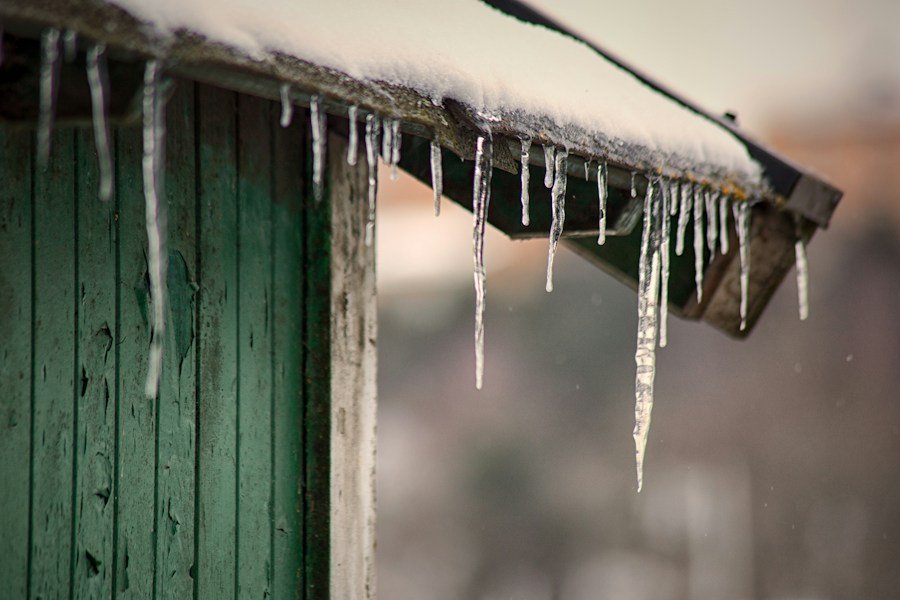
Jefferson, Rockaway Township, Roxbury, Mount Olive, Randolph and Kinnelon see long cold stretches and short sunny thaws. Attic heat melts snow on the upper roof, and the water refreezes at the cold eaves. Ice dams back meltwater under shingles and into walls. The lasting fix is ice and water shield at the eaves and valleys plus air sealing, insulation and ventilation.
Irene in 2011 and Ida in 2021
Irene’s rain pushed the Pompton River at Pompton Plains to a record 25.24 feet on August 29, 2011, flooding parts of Pequannock, Lincoln Park and Riverdale. Ida dropped 7.65 inches on Long Hill Township in 2021, and FEMA included Morris in its disaster declaration. Both storms brought down trees and overwhelmed gutters, showing that downspout capacity and roof drainage matter here as well as snow.
Mature forests, wind and moss
Much of Morris County is wooded, from the Great Swamp edge in Harding and Long Hill to the forests around Lake Hopatcong and Kinnelon. Wind and heavy wet snow bring down oaks, maples and pines on roofs. Constant shade keeps north slopes damp, growing moss that lifts shingle edges and black algae that stains roofs on lake and wooded lots.
Roofing services
Roof Repair Services We Provide in Morris County
We provide all 12 of our roof services across Morris County, with more snow, ice dam and slate work here than in most of New Jersey. Here is how each service applies to Morris homes and buildings. Neighbouring areas are covered on our Essex County roof repair, Somerset County roof repair and Sussex County roof repair pages.
Roof Leak Repair in Morris County
Morris leaks most often come from ice dams in the Highlands, skylight and pipe boot flashing on 1980s colonials, chimney flashing on Morristown and Madison Victorians, and the wall joints of eastern split-levels. We trace each leak to its entry point before quoting a repair.
Emergency Roof Repair in Morris County
When a nor’easter drops an oak on a Randolph roof or an ice dam floods a Jefferson ceiling, send a request through our contact page at any hour. We schedule tarping, debris removal and documentation as soon as a crew can safely get on the roof.
Storm Damage Roof Repair in Morris County
Storm damage here is often tree and snow damage: limbs through shingles after wet snow, gutters torn off by sliding snow, and ridge caps lifted by wind. We photograph every issue and give you an itemized scope that separates storm damage from wear.
Roof Replacement in Morris County
Many Morris colonials from the 1970s to 1990s are on aging second roofs. When replacement makes sense, we tear off to the deck, replace damaged sheathing, install ice and water shield at all eaves and valleys, and correct attic ventilation for snowy winters.
Roof Inspection in Morris County
Our free inspection documents shingles, flashing, chimneys, skylights, gutters and attic ventilation with photos. It is especially useful after a big snow season, before buying a Mountain Lakes or Morristown home, or when a 1980s roof starts shedding granules.
Flat Roof Repair in Morris County
Flat roofs in Morris County show up on Dover and Boonton commercial blocks, porch and garage roofs on colonials, modern additions in Madison and Chatham, and corporate buildings in Parsippany and Florham Park. We repair EPDM, TPO and modified bitumen, flashing and drains.
Metal Roof Repair in Morris County
Standing-seam copper and steel are common on bays, porches and some full roofs on Mendham, Harding and Chester estates, and on barns and outbuildings in the western townships. We repair seams, fasteners, snow guards and flashing and keep metals compatible.
Slate Roof Repair in Morris County
Morristown, Madison, Chatham Borough, the Mendhams, Chester Borough and Boonton have historic slate roofs. We replace broken slates with matching stone and copper fasteners, rebuild copper valleys and flashing, and add snow guards where slate sheds snow onto walks.
Shingle Roof Repair in Morris County
Architectural asphalt shingles cover most homes from Parsippany to Mount Olive. We replace wind- and limb-damaged shingles, reseal lifted tabs, replace pipe boots and ridge caps, and match colors as closely as the current shingle lines allow.
Roof Cleaning in Morris County
Wooded lots around Lake Hopatcong, Kinnelon, Denville and Harding grow moss and black algae on north slopes. We soft-wash at low pressure to protect granules, remove thick moss by hand, and recommend zinc or copper strips to slow regrowth.
Gutter Repair in Morris County
Sliding snow tears gutters off Morris homes every winter, and ice-filled gutters feed ice dams. We repair the roof edge and gutters together: drip edge, fascia, heavy-duty hangers, larger downspouts and gutter placement that resists snow load.
Commercial Roofing in Morris County
From Parsippany office parks and Morris Plains campuses to Dover and Boonton storefronts and Hanover Township industrial buildings, we repair TPO, EPDM, modified bitumen and built-up roofs, including drains, coping and rooftop unit curbs, with permits where needed.
Morris County rules
Morris County Roofing Permits, Historic Districts and Insurance
Permits & local review
For a detached one- or two-family home in any Morris County town, repairing or replacing the roof covering is ordinary maintenance and needs no permit, as long as the roof has no more than two layers. That comes from N.J.A.C. 5:23-2.7, effective March 5, 2018. A permit from the town’s construction office is needed for sheathing or rafter work, a third layer, and anything that is not a detached one- or two-family home, such as townhomes, condos and commercial buildings.
Historic review is the bigger Morris issue. Morristown, Madison, Morris Township, Boonton, Harding, Washington Township and Montville have historic preservation commissions, and Hanover Township, Kinnelon and Pequannock have landmark or historic commissions under other names. In Madison, a certificate of historic review is required before exterior changes in the Bottle Hill and Civic Commercial historic districts, though the commission’s recommendations on exterior work are advisory. Mountain Lakes is a National Register historic district with a local preservation committee. Before switching slate to asphalt or removing copper, ask your construction office whether your home is designated.
Townhome and condo communities in Parsippany, Morris Plains, Hanover and Mount Olive also need association approval. Ordinary maintenance must still meet code.
Insurance claims
Homeowners insurance in Morris County usually covers sudden roof damage from wind, hail, falling trees and the weight of ice or snow, and usually excludes wear, age and neglect. Snow and ice matter more here than in most of the state. Many policies cover interior water damage from an ice dam and roof damage from snow weight, but insurers may resist if the roof or attic had obvious long-standing problems. Tree claims are also common after wet-snow storms like October 2011 and March 2018.
River flooding along the Pompton and Passaic in Pequannock, Lincoln Park and Long Hill is a separate matter: rising water is covered only by flood insurance. Photograph the roof, attic, ceilings and any fallen tree before cleanup, keep tarping and tree removal receipts, and get a written scope that separates storm damage from wear. For historic slate, ask whether your policy pays for like-kind replacement. Your policy and agent have the final word.
Pricing · updated November 2026
How Much Does Roof Repair Cost in Morris County?
As of November 2026, most Morris County roof repairs cost between $350 and $1,800, while slate repair on historic homes and storm or ice dam damage on larger colonials can run higher. A full replacement on a typical home falls in the statewide range of about $8,500 to $17,000. See our roof repair cost guide for details on how we price work.
Replace a few shingles
$350 – $800
Matching architectural shingles after limb or wind damage on a Randolph or Parsippany colonial, resealing nearby tabs and checking nails. Steep two-story roofs and discontinued colors cost more.
Single-source leak repair
$400 – $1,500
Tracing and fixing one leak, such as a skylight, porch-roof wall junction or pipe boot on a 1980s colonial, with new flashing and the shingles around it.
Slate repair
$500 – $2,500+
Replacing broken slates with matching stone and copper fasteners on Morristown, Madison or Mendham homes, plus valley or flashing work. Staging on tall Victorians and rare slate colors raise the price.
Chimney re-flashing
$600 – $1,800
New step and counter flashing, often copper on historic homes, set into cut mortar joints, with a cricket behind wide chimneys where snow drifts and ice builds up.
Valley repair
$500 – $1,500
Rebuilding a leaking valley with ice and water shield and new metal or shingles, a frequent need in the Highlands where ice dams and leaf load concentrate water.
Emergency tarp
$300 – $1,200
Securing a roof after a tree strike or storm opening, with photos for insurance. Tree removal by an arborist is separate, and tall or steep roofs cost more.
What moves the price in Morris County
- Elevation and snow. Homes in Jefferson, Rockaway Township, Mount Olive and Roxbury need full ice and water shield and better ventilation, which adds cost to replacements and some repairs.
- Slate and copper. Historic roofs in Morristown, Madison and the Mendhams cost more to repair than asphalt; installed natural slate runs about $31 to $40 per square foot.
- Historic review. Designated properties may need commission review before visible changes, which adds time and sometimes requires matching materials.
- Height and roof complexity. Two-story colonials, steep Victorians and large estates need staging and more labor.
- Access on lake and wooded lots. Narrow lake roads, steep driveways and tight lots around Lake Hopatcong, Budd Lake and the lake clubs can limit dumpster placement.
- Hidden deck damage. Repeated ice dams often rot the sheathing at the eaves, which adds cost and requires a permit to replace.
- Association rules. Townhome and condo communities require approvals and insurance certificates.
- Season. After big snowstorms and nor’easters, demand spikes across the county.
These are planning ranges, not quotes. They are based on our site-wide repair ranges, the Roof Observations New Jersey cost guide (January 2026) and Fixr’s 2026 New Jersey replacement data. Your written quote after a free inspection is the number that counts.
Who does the work
Why Morris County Homeowners Choose Roof Repair SNJ
- Repairing NJ roofs for 25+ years
- General liability + workers’ comp insurance
- Workmanship warranty: 2 years on repairs, 10 years on full replacements, in writing
- Photo report with every inspection
Check any roofer before you sign in Morris County
Ask for the 13VH registration number and confirm it on the NJ license lookup. NJ law requires a signed written contract showing the registration number and total price, and gives you until midnight of the third business day to cancel (N.J.S.A. 56:8-151).
39 towns
Roof Repair Notes for Morris County Towns
Morris County’s 39 towns range from historic Morristown and Madison to Highlands lake towns and fast-growing postwar townships, and roof needs shift with elevation and age. Here are notes on the towns we see most, as part of our wider roof repair NJ service.
Parsippany-Troy Hills
The county’s largest town mixes 1950s and 1960s capes and split-levels in Lake Hiawatha and Lake Parsippany with later colonials and townhome communities, plus office parks along Route 10 and Interstate 287. Expect shingle, flashing and gutter repairs on homes and TPO or EPDM work on commercial roofs. Townhomes need association approval and permits.
Morristown
The county seat has Victorians, Colonial Revivals and older multi-family homes near the Green and along Macculloch Avenue and South Street, many with slate, copper and box gutters. Morristown has a Historic Preservation Commission, so check landmark or district status before changing a visible roof. Snow is lighter here than in the Highlands, but freeze-thaw cycles still work on old chimneys.
Madison and Chatham
Madison’s Bottle Hill and Civic Commercial historic districts require certificates of historic review before exterior changes. Both towns have prewar colonials, Victorians and Tudors, some with slate, along with later homes and additions with low-slope sections. Slate, chimney and box gutter repairs are frequent, as are moss and algae under mature trees.
Randolph
Randolph is mostly colonials and split-levels from the 1960s through the 1990s, at higher elevation than the eastern towns; spotters measured 14.5 inches near Randolph in the October 2011 snowstorm. Ice dams, skylight leaks, snow-damaged gutters and aging second roofs on two-story colonials are the common calls, along with limb damage on wooded lots.
Mount Olive and Roxbury
Budd Lake in Mount Olive and the Landing and Succasunna sections of Roxbury mix lake cottages with later colonials and townhomes. Succasunna tied for the state’s highest total of 30.0 inches in the January 2016 blizzard. Ice dams on low-pitch cottages and gutter damage from sliding snow are routine.
Jefferson and Mount Arlington
These towns surround much of Lake Hopatcong, the state’s largest lake. Jefferson set a New Jersey March record with 44.3 inches in 2018. Converted lake cottages, steep lakeside lots, heavy tree cover and long winters make snow load, ice dams and moss the main issues here.
Rockaway Township and Denville
Rockaway Township includes lake clubs such as White Meadow Lake and Lake Telemark and higher areas like Green Pond and Marcella, which regularly post some of the county’s top snow totals. Denville has Indian Lake and Cedar Lake communities. Expect ice dams, snow damage and moss on lake homes.
Mountain Lakes
This planned borough of stucco Hapgood houses from the 1910s and 1920s is a National Register historic district. Broad roofs, deep eaves and stucco walls need careful flashing where roof meets wall, and heavy tree cover around the lakes adds leaf load and moss. The borough has a historic preservation committee.
Pequannock, Lincoln Park and Riverdale
These towns sit along the Pompton River, which reached a record 25.24 feet at Pompton Plains during Irene in 2011. Postwar capes, ranches and split-levels are common. Flood insurance, gutter capacity and roof repairs after tree damage are frequent questions, and roof work is often part of broader storm recovery.
The Mendhams, Chester and Harding
These rural and estate towns have colonial-era farmhouses, Victorians and large custom homes with slate, cedar and copper. Mendham Borough and Chester Borough have historic village centers, and Harding has a preservation commission. Long driveways, steep roofs, old chimneys and careful material matching drive repair plans.
All 39 municipalities we serve in Morris County
Parsippany-Troy Hills · Mount Olive · Randolph · Rockaway Township · Morris · Roxbury · Montville · Jefferson · Morristown · Dover · Washington Township (Morris County) · Denville · Madison · Pequannock · Hanover · Florham Park · East Hanover · Chatham Township · Lincoln Park · Kinnelon · Chatham · Boonton Town · Long Hill · Butler · Chester Township · Wharton · Rockaway Borough · Morris Plains · Mendham Township · Mount Arlington · Mendham Borough · Mountain Lakes · Boonton Township · Riverdale · Mine Hill · Harding · Netcong · Chester Borough · Victory Gardens
Seasonal roof care
Morris County Roof Maintenance Calendar
Plan four roof checks a year in Morris County, and start fall prep early in the Highlands, where snow can arrive in October as it did in 2011. The state climatologist notes that the highlands can see snow from about October 15 to April 30, so the winter season here is longer than in most of New Jersey.
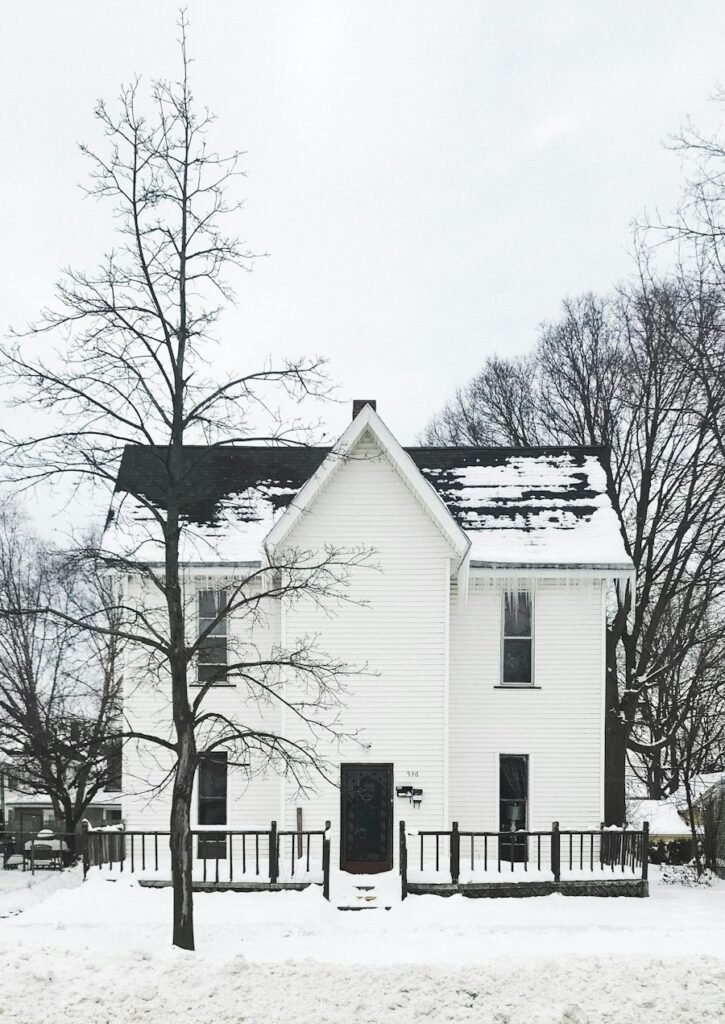
Spring is the time to find what a long Morris winter did to your roof. In Morristown and the eastern towns that is usually late March; in Jefferson, Rockaway Township and Mount Olive wait until snow is fully gone, often mid-April. Walk the yard for shingle pieces, ridge cap sections and granules. Look at gutters and fascia where snow slid off the roof, since sagging or bent gutters are common after heavy seasons. Inside, check ceilings near exterior walls for ice dam stains and look in the attic for wet insulation, frost marks or dark streaks on the deck near eaves. On slate roofs in Madison and the Mendhams, look for slipped or missing slates on the ground and on the roof. Spring rains will test every weak spot, so book a free inspection early before roofers’ schedules fill.
Summer is the best time for planned work and for getting ahead of storm season. Shingles seal best in warm weather, and slate, copper and chimney work goes smoothly before fall. Clear gutters and downspouts before thunderstorm season, since storms like Ida in 2021 dropped more than 7 inches on Long Hill. Trim branches hanging over the roof, especially on wooded lots in Kinnelon, Harding and around the lakes, so they are not on the roof after the next wind or snow. Check pipe boots and skylight flashing on 1980s and 1990s colonials, as heat cracks old rubber boots. On flat roofs of additions and commercial buildings, clear drains and look for blisters and open seams. If you plan to replace a roof in a historic district, summer is a good time to start any required review.
Fall prep decides how your roof handles a Morris winter. Clean gutters after the leaves fall; on heavily wooded lots you may need two cleanings, the second in late November. Clear valleys and the areas behind chimneys. Go into the attic and make sure soffit vents are open and insulation is not blocking them, bath fans vent outside, and gaps around attic hatches, recessed lights and plumbing stacks are sealed. Warm air leaking into the attic is the main cause of ice dams. Finish masonry, chimney and slate work before hard freezes, since mortar needs temperatures above about 40 degrees to cure. Remember that the October 29, 2011 storm dropped 17.0 inches on Lake Hopatcong while the trees still had leaves, so have trees near the house checked by an arborist early in the season.
Winter in Morris County is about snow load and ice dams. After each storm, look for thick ice along the eaves and long icicles, signs of heat loss and ice dams. Use a roof rake from the ground to pull snow off the lower few feet of the roof, especially on low-pitch lake cottages and porch roofs, but never climb on an icy roof or chip ice with tools, which damages shingles and slate. Heavy wet snow, like the March 2018 nor’easters, can stress older rafters and pull gutters loose. Watch ceilings during thaws for brown stains near exterior walls. If water comes in, catch it, move belongings, take photos, and send an emergency request through the contact page. We will schedule repairs as soon as it is safe to work on the roof.
In depth
Morris County Roofing Questions Most Contractors Skip
Why Highlands homes need more snow protection than Morristown
A roof in Jefferson, Rockaway Township or Mount Olive faces far more snow and ice than one in Morristown or Madison, and it should be built and maintained with that in mind. Morris County rises from about river level near Long Hill and Chatham into the Highlands, which the state climatologist describes as part of a northern zone with 40 to 50 inches of yearly snowfall and elevations up to 1,800 feet. The October 29, 2011 storm showed the difference: 17.0 inches at Lake Hopatcong and 16.4 at Rockaway, but 4.6 inches in Morristown. In March 2018, Jefferson recorded 44.3 inches for the month.
That changes what a roof needs. In the Highlands, we recommend ice and water shield from the eave to at least 24 inches inside the warm wall line and in all valleys, extended further on low-pitch roofs. Attic ventilation should be balanced, with soffit intake and ridge exhaust, and the ceiling should be air sealed so house heat stays out of the attic. Gutters need heavy-duty hangers set into rafter tails, and snow guards make sense on metal and slate where sliding snow could hit walks, decks or lower roofs.
In the lower eastern towns, freeze-thaw cycles do more damage than deep snow. Water gets into old chimney mortar, cracked pipe boots and loose flashing, then freezes and opens the gap further. In both places, the repair has to match the conditions. A patch that works in Florham Park may not last a winter in Jefferson if the ice dam cause is not fixed.
Historic slate and Victorian roofs in Morristown, Madison and the Mendhams
Most historic slate in Morris County can be repaired for many more years if the valleys, flashing and fasteners are rebuilt correctly. Morristown, Madison, Chatham Borough, Mendham Borough, Chester Borough and Boonton have Victorians, Queen Annes, Colonial Revivals and churches with slate, copper valleys, box gutters and tall chimneys. When these roofs leak, the cause is usually rusted or worn valleys, failed chimney flashing, deteriorated box gutter linings, or old repairs made with roofing cement and face nails.
A proper repair uses matching slate of the same size, thickness and color, fastened with copper nails or slate hooks. We avoid walking on slate, working instead from hook ladders and staging. Copper valleys and chimney flashing are rebuilt with soldered or locked seams where needed, and box gutters are relined with copper or a compatible membrane. Snow guards help on steep slate roofs that shed snow onto porches and entries.
When a slate roof is truly worn out, many slates are soft, flaking, cracked or missing. Then the choice is new natural slate, at about $31 to $40 per square foot installed, synthetic slate, or architectural asphalt. If your home is in a historic district or is a landmark, check with the local commission first. Madison’s ordinance, for example, requires a certificate of historic review for exterior changes in its Bottle Hill and Civic Commercial districts, though its recommendations on exterior work are advisory. Morristown, Morris Township, Boonton, Harding, Washington Township and Montville also have commissions. Our slate roof repair in Morris County service starts with a slate-by-slate condition report.
Repair or replace on a 1970s to 1990s Morris colonial
On a Morris colonial built between the 1970s and 1990s, repair a single leak on a roof under about 18 years old, and plan a replacement when the roof is past 20 years, losing granules or leaking in several places. Morris County’s median home was built in 1971, so many colonials in Randolph, Mount Olive, Roxbury, Montville and Washington Township are now on their second roof, often installed in the 2000s.
The common leak sources on these houses are predictable: step flashing where the front porch roof or garage roof meets the main wall, skylights installed in the 1980s and 1990s whose flashing kits have aged out, cracked rubber pipe boots, and ice dams at the eaves where original attic ventilation was weak. Each can usually be fixed in a single visit for $250 to $1,500, depending on the problem.
Replacement makes more sense when the shingles are curling or cracking across several slopes, granules are washing into gutters, the attic shows widespread staining or soft deck boards, or there are already two layers. A replacement is also the best time to upgrade for Morris winters: full ice and water shield at eaves and valleys, balanced ventilation, new drip edge, new flashing at every wall and penetration, and new skylight flashing kits or replacement of old skylights. A typical New Jersey replacement runs about $8,500 to $17,000, more for large two-story colonials or steep roofs. Our inspection photos show each slope and the attic so you can see the condition yourself.
Lake homes on Lake Hopatcong, Budd Lake and the lake clubs
Morris County lake homes need roofs that handle snow, shade and moisture, and many converted cottages need attic work along with roofing to stop recurring ice dams. Lake Hopatcong, Budd Lake, Mountain Lakes, Lake Parsippany, White Meadow Lake, Lake Telemark, Indian Lake and many smaller lake communities started as summer colonies. Many cottages were later winterized with additions, low-pitch roofs, cathedral ceilings and small attics that leave little room for insulation and ventilation.
Those details, combined with the Highlands’ heavy snow, make ice dams the top lake-home problem. Shade from tall trees keeps roofs damp, which feeds moss and algae, and leaves pile up in valleys and gutters. Lake breezes also find loose shingles. Access can be tricky: narrow lake roads, steep lots, limited parking and dumpster restrictions in some lake associations.
A durable fix starts on the roof with ice and water shield at eaves and valleys, good drip edge and properly sized gutters. In the attic, air seal the ceiling around lights, hatches and plumbing, add insulation where possible, and make sure ventilation moves air from soffit to ridge. On cathedral ceilings with no vent space, options include a vented over-roof or rigid insulation added on top of the deck at reroof time. Many lake associations have their own rules on contractor access, work hours and materials, so check before work starts. We quote roof work and attic corrections separately so you can see what each part costs.
Mountain Lakes Hapgood houses and stucco roof-to-wall flashing
On Mountain Lakes’ stucco Hapgood houses, the leak is often where the roof meets the stucco wall, and a lasting repair needs flashing that works with the stucco. Mountain Lakes was developed starting in 1910 as a planned year-round lake community, and about 600 stucco houses were built by 1923, influenced by the Arts and Crafts movement. The borough became a National Register historic district in 2005, covering 1,397 acres.
These homes have broad roofs, deep overhangs, dormers and porches tied into stucco walls. Where a dormer, porch or lower roof meets stucco, the original or replacement flashing often relies on caulk or surface-mounted metal, which fails as the stucco expands, contracts and cracks. Water then gets behind the stucco and into framing. A proper repair opens a band of stucco above the roof line, installs step flashing and a counter flashing or a kick-out flashing at the end of the wall, and patches the stucco to match texture and color.
Many Hapgoods also sit under tall trees around the borough’s lakes, so moss and leaf load in valleys are common. Some have had several roof replacements, and the number of layers matters because NJ code allows only two. Mountain Lakes has a historic preservation committee; ask the borough whether any review applies to your property before visible changes. We document roof-to-wall conditions with photos so you can see what is happening behind the trim.
Choosing a roofer in Morris County
Choose a Morris County roofer who is registered with New Jersey, insured, gives a written itemized contract, and understands the roof you have, whether that is historic slate, a lake cottage or a 1980s colonial. Every New Jersey home improvement contractor must register with the Division of Consumer Affairs; the registration number starts with 13VH. Look it up at newjersey.mylicense.com. Registration requires at least $500,000 in commercial general liability insurance, and you should ask for a certificate sent directly from the agent.
Under N.J.S.A. 56:8-151, your contract must be written and signed, with the contractor’s legal name, business address and registration number, the total price and a copy of the insurance certificate. You have three business days to cancel. After big storms like the 2011 October snow or the March 2018 nor’easters, storm chasers often arrive offering fast work and asking for big deposits; take your time.
Ask questions that fit your house. For a Highlands home: how will you stop ice dams and what ice and water shield coverage will you install? For historic slate: will you use matching slate and copper fasteners, and have you worked with local historic review? For a colonial: how will you flash the porch and garage walls and the skylights? For a lake home: how will you handle access and association rules? Ask about the workmanship warranty. Ours is 2 years on repairs and 10 years on full replacements, in writing.
FAQ
Roof Repair in Morris County, NJ: Frequently Asked Questions
Do I need a permit for roof repair in Morris County?
Not for a detached one- or two-family home, where roof covering repair or replacement is ordinary maintenance under N.J.A.C. 5:23-2.7. You need a permit for deck or rafter replacement, a third layer, and townhomes, condos or commercial buildings. Historic properties may also need local commission review before visible changes.
How much does roof repair cost in Morris County?
Most repairs cost $350 to $1,800 as of November 2026. A few shingles run about $350 to $800, a single leak $400 to $1,500, chimney re-flashing $600 to $1,800, and slate repair $500 to $2,500 or more. Full replacements typically run about $8,500 to $17,000.
Why do Highlands homes in Jefferson and Rockaway get more ice dams?
They sit higher and get more snow, with the northern zone averaging 40 to 50 inches yearly and long cold spells. Attic heat melts roof snow that refreezes at the eaves. Ice and water shield at eaves and valleys, attic air sealing, insulation and balanced ventilation prevent repeat ice dams.
Can I replace slate with asphalt on a historic Morristown or Madison home?
Possibly, but check first. Morristown and Madison have historic preservation commissions, and Madison requires a certificate of historic review for exterior changes in its historic districts. Many slate roofs can be repaired for decades by rebuilding valleys and flashing, which keeps the original look and avoids review issues.
Does homeowners insurance cover ice dam damage in Morris County?
Many policies cover interior water damage from a sudden ice dam leak and roof damage from snow or ice weight. Insurers may push back if the roof or attic had long-standing problems. Photograph the ice, the roof and interior damage, keep receipts, and confirm coverage with your agent.
How much snow can a Morris County roof hold?
It depends on the roof’s framing, age and pitch, and wet snow weighs far more than dry snow. Most modern homes handle typical storms, but heavy wet snow like the March 2018 nor’easters can stress older or low-slope roofs. Rake the lower roof from the ground and watch for sagging.
What roof problems are common on Mountain Lakes Hapgood houses?
Leaks at the joint between roof and stucco wall are the most common, where caulked or surface-mounted flashing has failed. Water then gets behind the stucco. A lasting fix installs proper step, counter and kick-out flashing and patches the stucco. Tree cover also adds moss and leaf load.
Is river flooding in Pequannock or Lincoln Park covered by homeowners insurance?
No. Water rising from the Pompton or Passaic rivers into a home is flood damage, covered only by a separate flood policy. Roof damage from wind or trees in the same storm is usually a homeowners claim. Keep separate photos and scopes for flood and roof damage.
How do I check if a Morris County roofer is legitimate?
Ask for their New Jersey home improvement contractor registration number, which starts with 13VH, and check it at newjersey.mylicense.com. Registration requires at least $500,000 in liability insurance. Get a written, signed contract with the total price and a three-business-day right to cancel.
When is the best time to replace a roof in Morris County?
Late spring through early fall is best, because shingles seal well in warm weather and crews avoid snow. In the Highlands, aim to finish before mid-October, since snow can come early, as in October 2011. Book early, because schedules fill after big winters and storms.
Reviewed by the Roof Repair SNJ team · Last updated November 2026
Nearby
Roof Repair Near Morris County
We also work in the counties next to Morris County. See every county we serve on our New Jersey service areas page, or start from our roof repair NJ homepage.
Free inspection
Get a Free Roof Inspection in Morris County
Whether it is an ice dam in Jefferson, a slipped slate in Madison, a skylight leak on a Randolph colonial or a tree on the roof after a nor’easter, start with a free inspection and photos of what we find. Schedule your Morris County roof inspection and receive a written, itemized quote. There is no pressure, and repairs carry a written 2-year workmanship warranty.
No pressure and no obligation. If a repair will do, we’ll tell you.
Roof Repair SNJ
- Serving all 39 Morris County towns
- Request roof service in Morris County
- Mon–Fri 5:00 AM–10:00 PM · Sat 5:00 AM–6:00 PM · Emergencies 24/7
Sources: N.J.A.C. 5:23-2.7 Ordinary maintenance (Cornell LII) · NJ Division of Consumer Affairs license and registration verification · N.J.S.A. 56:8-151 Home improvement contract requirements (Justia) · Stacker: Counties with the oldest homes in New Jersey (ACS 2023 5-year) · NWS Mount Holly: October 29, 2011 storm reports · Office of the NJ State Climatologist: March 2018 summary · Morris County: storms and power outages update, March 2018 · Office of the NJ State Climatologist: January 2016 recap · Office of the NJ State Climatologist: Ida remnants strike New Jersey · FEMA: New Jersey Remnants of Hurricane Ida disaster declaration · NWS MARFC: Pompton River at Pompton Plains top crests · Office of the NJ State Climatologist: NJ climate overview · Morris County Heritage Commission: historic preservation commissions and committees · Borough of Madison Code, Chapter 112 Historic Preservation (eCode360) · Wikipedia: Mountain Lakes, New Jersey (background) · Roof Observations: New Jersey roof cost guide (Jan 2026) · Fixr: Roof replacement cost in New Jersey (2026). Prices are planning ranges, not quotes. Permit and insurance information is general guidance; your town, policy and agent have the final word.