
Roof Repair NJ › NJ Locations › Camden County › Camden
Cramer Hill · Parkside · Fairview · 08105
Roof Repair in Camden, NJ: Row-Home Roofs Through Every Season
In every season of the year, Roof Repair SNJ fixes leaking and storm-worn roofs across the City of Camden, from row homes in Cramer Hill and East Camden to the 1918 houses of Fairview and the older streets of Parkside and Cooper Grant. Spring or winter, the visit begins the same way: a free look at the roof with dated photos, then a written itemized quote, and repairs backed by a 2-year written warranty.
- Row-home flat roofs, parapets and party walls
- Storm tarping after summer cloudbursts
- Free photo inspection, written itemized quote
Free roof inspection in Camden
Photos of every problem we find and an itemized written price before any work. Emergency requests handled 24/7.
Roof Repair SNJ
Camden · Camden County · all 21 NJ counties
Free inspection
Roof, attic and gutters checked at no cost.
Insured
Liability and workers’ comp; certificate on request.
Written quotes
Itemized price in writing before any work.
Photo-documented
Every problem photographed, before and after.
Camden weather
The Storms That Mark Camden’s Roofing Calendar
Camden’s roofs are tested hardest by summer cloudbursts and river-basin floods, by the occasional derecho or blizzard, and by long humid heat. These dated events and recurring conditions explain why we plan drain work in spring, storm tarping in summer and masonry repairs before winter.
July 6, 2026: the flash flood on Haddon Avenue
On the evening of July 6, 2026, city officials said nearly four inches of rain fell in about an hour. More than 1,000 calls reached 911 in two hours and crews made 83 water rescues, with waist-deep water reported near Haddon Avenue and Park Boulevard. Most damage was in basements, but flat roofs with one blocked scupper overflowed into walls at the same time. A second round of storms flooded parts of the city again that same week.
July 12-13, 2004: the Cooper River flood
USGS documented more than six inches of rain on average over the Cooper River and Pennsauken Creek basins on July 12 and 13, 2004, with dozens of dams across Camden and Burlington counties topped or damaged. The Cooper River forms much of Camden’s eastern side, past Parkside and Harleigh Cemetery. Rain at that rate on a row-home roof means water ponds behind the parapet until it finds the weakest seam.
June 29-30, 2012: the derecho
The June 2012 derecho crossed southern New Jersey with gusts near 90 mph and cut power to hundreds of thousands of customers. In Camden, a straight-line wind like that peels loose metal coping off parapets, lifts the leading edge of flat membranes and drops street-tree limbs onto porch roofs. Our early-summer checks of coping fasteners and membrane edges are aimed squarely at this kind of event.
January 23-24, 2016: the blizzard
Over those two January days, between 13 and 22 inches fell across Camden County, according to the state climatologist. Wind drifted it against parapets, bulkheads and chimneys on flat-roof row homes, where it sat for days. When it melted, water ran into any open seam at the base of the wall. Clearing a path to the scupper after big snows and keeping leaders open through January prevents most thaw leaks.
Every wet summer in Cramer Hill
Cramer Hill residents told reporters in 2022 that their block floods nearly every time it rains hard, with second sump pumps, rotting baseboards and mold on the walls. Ground-level flooding is a sewer and drainage problem the city has been investing in, but roofs add to it: leaders that dump at the foundation push more water toward basements. Extending leaders and splash blocks away from the wall is a small fix worth doing each spring.
Neighborhoods & homes
Camden Neighbourhoods and the Season Each One’s Roofs Struggle Most
Each Camden neighbourhood has a season when its roofs give the most trouble: summer cloudbursts for the low blocks of Cramer Hill and Waterfront South, autumn leaf fall for tree-lined Parkside, and winter freeze-thaw for the old brick of Cooper Grant and Lanning Square. The notes below follow those patterns street by street.
Cramer Hill (08105)
Cramer Hill runs from State Street up to 36th Street at the Pennsauken line, with the Delaware River and River Road on its western side. It was annexed as the old town of Stockton in 1899, and its blocks of row homes and twins carry flat or low-slope rear roofs behind short parapets. Residents describe rain flooding that returns every wet summer, so we check scuppers, leaders and the joints where downspouts meet the ground before the July storms arrive.
East Camden: Marlton, Rosedale and Stockton
East of the Cooper River, the older sections once called Marlton, Rosedale and Stockton fill the grid around Federal Street and Westfield Avenue. Here the row homes sit beside more twins and some detached singles, so a mix of flat rear roofs and small shingled front slopes is common. In early spring we find shingles lifted by winter wind on the front slopes and blistered rolled roofing on the rear sections that sat under snow for weeks.
Parkside (08104)
Parkside grew as a streetcar suburb after the Parkside Land Company began selling lots in 1899, and Wildwood Avenue, Park Boulevard and Haddon Avenue still show its larger twins and singles. Mature trees from Farnham Park, the city’s largest at 71 acres, shade many roofs. October and November leaf fall packs box gutters and valleys here more than anywhere else in Camden, and the July 6, 2026 flood on Haddon Avenue and Park Boulevard showed what happens when water has nowhere to go.
Fairview (Yorkship Village)
Fairview began on May 1, 1918 as Yorkship Village, built by the Emergency Fleet Corporation for New York Shipbuilding workers, with Electus Litchfield as architect. Its attached groups and singles around Yorkship Square have steeper pitched roofs, dormers and brick chimneys unlike the flat-roof rows elsewhere. The Fairview Historic District has been on the state and national registers since 1974. Ice dams at dormers in January and chimney flashing that opens after freeze-thaw are its typical winter calls.
Cooper Grant and the Cooper Street corridor
Between the Ben Franklin Bridge approaches and Rutgers-Camden, Cooper Grant holds nineteenth-century brick row houses with flat roofs, cornices and tall party-wall chimneys. The Cooper Street Historic District, listed in 1989, covers Cooper Street from 2nd to 7th Streets with Greek Revival, Federal and Late Victorian buildings. Winter is hard on this old masonry: water soaks parapet tops, freezes and loosens counter flashing, so our spring visits here focus on repointing and new caps.
Lanning Square and Cooper Plaza
Around Cooper University Hospital, Lanning Square and the Cooper Plaza Historic District mix restored brick row homes with newer infill townhomes. The older houses have built-up or modified bitumen roofs with internal or rear scuppers; the newer rows often share a single low-slope roof plane split by property lines. Late summer heat cracks the rubber collars on vent pipes here, and attached infill homes need a construction permit for most roof work.
Waterfront South
South of downtown along Broadway, Waterfront South sits inside the South Camden Historic District, listed in 1990, close to the port, the county sewage plant and industrial yards. Brick row homes here face wind off the river and dust and grime from nearby industry that clogs drains and dulls reflective coatings. Heavy summer rain and the low setting make drainage the first thing we inspect, and many roofs need a parapet cap rebuilt after decades of patching.
North Camden: Pyne Poynt and Cooper’s Poynt
North of the Ben Franklin Bridge, North Camden holds tight rows of brick and frame homes between the river and the Cooper River mouth, with many lots where a neighbouring house is vacant or gone. When a row is broken, the exposed side wall and the flashing that used to tie into the next roof become a leak path. After a winter of empty-house neglect next door, spring is when these side-wall leaks show up in top-floor bedrooms.
What we fix in Camden
Which Roof Problems Show Up in Camden, and in What Season?
Most Camden roof leaks begin at the edges of flat and low-slope roofs: parapet caps, scuppers, party-wall seams and the side walls of row homes whose neighbour is vacant. Summer exposes drainage failures, winter opens masonry and flashing, and spring is when the damage from both seasons finally shows up indoors.
Party-wall seams on shared roofs
With about half of Camden’s housing in row homes, one flat roof often runs straight into the next with only a lapped membrane or a strip of roof cement at the property line. Each owner patches their own side over the years, so the seam becomes a stack of mismatched repairs. Leaks here appear after the first big spring rain. We photograph both sides of the line so each owner knows where the defect sits before anyone pays.
Vacant neighbours and exposed side walls
Camden’s 2020 count found 11.9 percent of housing units vacant. When the house next door sits empty, its roof stops being maintained, its gutters fill and its own leaks soak the shared wall. When a neighbour is demolished, a side wall built as an interior party wall is suddenly exposed to weather. Both situations need new flashing, a coping cap and sometimes siding or parging on the newly exposed wall.
Undersized scuppers and leaders
Rear flat roofs drain through one scupper into a single leader, often a 2 by 3 inch pipe that cannot keep up with a summer cloudburst. When nearly four inches fell in about an hour on July 6, 2026, water stacked up behind parapets across the city. Wider scuppers, an overflow opening and a 3 by 4 inch leader are some of the least expensive upgrades we make on Camden row homes.
Freeze-thaw damage to brick parapets
Old Camden parapets are solid brick with a cap of clay coping, stone or bent metal. Rain soaks the top courses, freezes on cold nights and spalls the brick, opening mortar joints from December through March. Water then runs down inside the wall and behind the base flashing. Repointing, a new metal or stone cap with a drip edge, and fresh counter flashing stop most of these winter-born leaks.
Layered patches over old built-up roofs
Many Camden rear roofs started life as tar and gravel, then received rolled roofing, then coats of aluminum paint and roof cement. By now a membrane may be four or five layers deep with soft plank decking underneath. Patching on top of that stack rarely lasts a full summer. When a test cut shows wet layers, we price both a targeted tear-out and a full new modified bitumen or TPO roof.
Heat-split vent boots and blistered membranes
The southwest part of New Jersey has the state’s highest average daily temperatures, and black flat roofs in Camden bake through July and August. Rubber collars on plumbing vents crack, asphalt membranes blister and seams open where two layers meet. A white or reflective coating over a sound membrane, or a white TPO roof on replacement, lowers surface heat and keeps top-floor bedrooms cooler in summer.
Camden at a glance
Camden Roofs Across the Calendar: The Numbers to Know Before Each Season
Camden is a city of attached row homes, most of them built before 1970, sitting on low ground between the Delaware and Cooper rivers. Those three facts shape the whole roofing year here: summer downpours test flat-roof drains, winter freeze-thaw works on old brick, and almost every job on an attached house runs through a permit first.
Population (2020 Census)
71,791
The county seat of Camden County, on 8.92 square miles of land facing Philadelphia across the Delaware River, with ZIP codes 08101 through 08105.
Row and attached homes
About 53%
NeighborhoodScout’s analysis of Census data counts row houses as the most common home in Camden, so most roofs here share a wall, a parapet or a drain line with a neighbour.
Homes built before 1970
About 75%
Roughly 37.6 percent date to 1939 or earlier and another 37.5 percent to 1940 through 1969, which means old plank decks, brick parapets and many generations of patches.
Owner-occupied homes
34.4%
Census QuickFacts, 2020-2024. Two in three Camden homes are rented, so roof decisions often sit with a landlord, a housing nonprofit or a property manager.
Median owner home value
$112,000
QuickFacts 2020-2024 estimate. On a house at that value, a targeted repair usually makes more sense than a full tear-off, and we price both so owners can compare.
Historic district listings
17
The NJ Historic Preservation Office lists seventeen Camden districts and neighbourhoods, including Cooper Grant, Cooper Street, Fairview, Parkside and South Camden, plus the Walt Whitman House on Mickle Street.
Roofing services
Roofing Services for Camden Homes, Season by Season
All twelve of our roofing services are offered in Camden, and the calendar decides which ones homeowners need most: drain and flat-roof work before summer, storm repair during it, and masonry, flashing and gutter work before winter. Each card explains how a service fits Camden’s row homes and older houses.
Roof Leak Repair in Camden
A Camden leak often shows up months after it started, usually in spring after a winter of freeze-thaw. We trace it from the top-floor ceiling back to the roof, check the party wall, parapet base and scupper, and photograph the source so you know whether the fault is on your roof or your neighbour’s.
Emergency Roof Repair in Camden
On the night a July cloudburst or a January gale opens your roof, use our contact page to flag it as an emergency, day or night. Crews spread tarps, free the scupper so ponded water can escape, and close torn flashing on the row home so bedrooms below stay dry until summer repairs.
Storm Damage Roof Repair in Camden
Storm damage in Camden is mostly wind-peeled coping, lifted membrane edges and street-tree limbs on porch roofs. We record each item with dated photos for your insurer, separate fresh damage from older wear, and plan repairs on attached roofs so both neighbours can see what was done.
Roof Replacement in Camden
When a rear roof has four or five layers and soft decking, replacement with modified bitumen or white TPO is the lasting answer. Attached row homes need a construction permit for that work, which we pull, and we schedule tear-offs for dry spells in spring and early fall.
Roof Inspection in Camden
Our free inspection is most useful in early spring and again in late fall. We check the membrane, parapets, coping, scuppers, leaders, chimneys and the shared wall, then hand you photos. Buyers of Camden row homes use it before closing to see what the seller’s patches are hiding.
Flat Roof Repair in Camden
Flat and low-slope roofs are most of what we fix in Camden. Torn modified bitumen, shrunken EPDM, split TPO seams and tired tar-and-gravel all get fixed, along with parapet base flashing and scuppers that need widening. Our flat roof repair page explains the methods; here we tailor them to row-home roofs.
Metal Roof Repair in Camden
Metal on Camden houses means parapet coping, porch roofs, bay-window caps and some old flat-seam tin on Cooper Grant and Cooper Street row houses. Before winter we refasten loose coping, reseal seams, replace rusted pieces and paint sound metal so it survives another round of freeze-thaw.
Slate Roof Repair in Camden
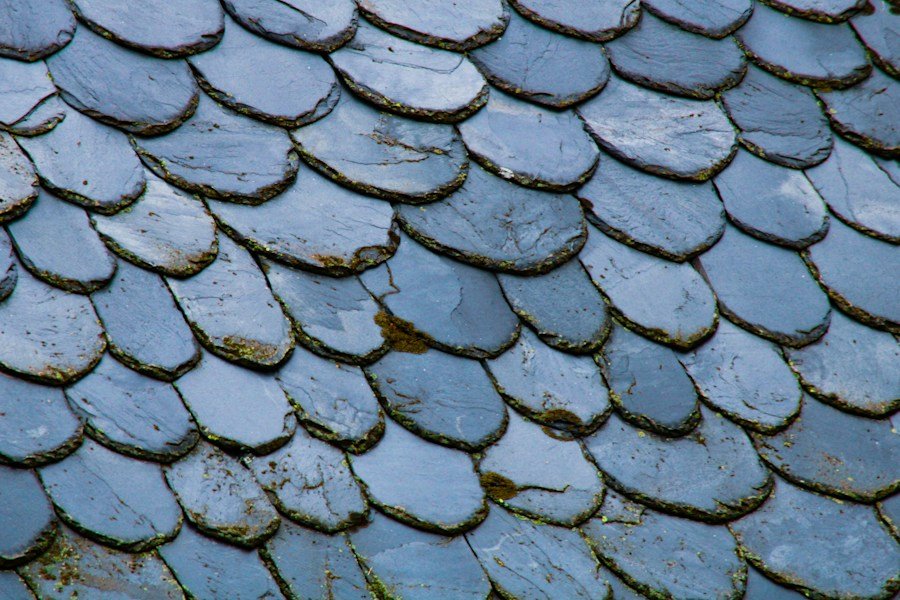
Slate survives on some Fairview, Parkside and Cooper Street houses, often on front slopes, dormers and bay roofs. We replace broken slates with matching salvage stone and copper or stainless hooks, re-flash chimneys in the masonry joints and keep visible materials in line with the city’s historic standards.
Shingle Roof Repair in Camden
Shingle work in Camden is concentrated on the front slopes of East Camden twins, Fairview’s pitched roofs and newer townhome infill. Each windy March brings calls for shingles that lifted or blew off. We set new ones, rework dormer and sidewall step flashing, and change brittle pipe boots before the August heat finishes them.
Roof Cleaning in Camden
On a Camden flat roof, cleaning means removing grit, leaves, litter and old patching debris from the surface and drains, then washing reflective coatings so they keep reflecting heat. We schedule it in late fall after leaf drop and again in spring before the thunderstorm season begins.
Gutter Repair in Camden
Many Camden leaders are undersized, disconnected or dumping against the foundation. We repair and enlarge leaders from scuppers, rebuild box gutters on Parkside and Fairview houses, add extensions away from basement walls and seal the gutter-to-roof edge with drip edge and ice and water shield.
Commercial Roofing in Camden
Corner stores, churches, small apartment buildings and mixed-use storefronts along Broadway, Federal Street and Haddon Avenue carry flat commercial roofs. We repair and replace them with modified bitumen, TPO or coatings, handle the permit, and plan work around business hours and the summer storm season.
Pricing · updated November 2026
What Camden Roof Repairs Cost in November 2026, and When Prices Rise
As of November 2026, most Camden roof repairs cost between $350 and $2,500, with flat-roof seam, scupper and parapet repairs on row homes the most common jobs. Permit-required work on attached homes, deck replacement and slate cost more, and emergency work during a storm week costs more than the same repair booked in a calm spring. These are planning ranges; your price comes from a free inspection and a written quote.
Shingle and small repairs
$350 – $800
A few wind-lifted shingles on an East Camden twin or a Fairview front slope after a windy March, with tabs resealed and the nearby step flashing checked while the ladder is up.
Pipe boots and vent flashing
$250 – $600
New collars or flashing around plumbing vents and exhaust stacks on flat row-home roofs, where summer heat in Camden splits rubber boots well before the membrane around them wears out.
Single-source leak repair
$400 – $1,500
Finding and fixing one leak at a party-wall seam, scupper, bulkhead or skylight. Leaks that start on a vacant house next door take longer to trace and to document for both owners.
Flat-roof patch, seam or scupper
$400 – $2,500
Patching modified bitumen or EPDM, widening a scupper, adding an overflow and a larger leader, and rebuilding parapet base flashing on the attached brick and frame homes that fill most Camden blocks.
Chimney and skylight re-flashing
$400 – $1,800
Skylights usually run $400 to $1,200 and chimneys $600 to $1,800. Old Cooper Grant and Fairview chimneys need step and counter flashing cut into mortar joints, often with repointing after winter.
Slate, valley and deck repair
$500 – $2,500+
Matched slate on Fairview or Cooper Street houses, a valley rebuild ($500 to $1,500) or a rotted plank deck section ($500 to $2,000+). Deck work on attached homes adds a permit and inspection.
What moves the price in Camden
- Attached or detached. A detached Camden two-family needs no permit for covering work; an attached row home does, which adds a fee, paperwork and an inspection visit to the schedule.
- Season and storm weeks. Booking drain and seam repairs in March or April costs less than an emergency tarp during the week after a cloudburst, when every roofer in the area is stretched.
- Access from the street. Most row homes have no driveway, so ladders go up from the sidewalk and materials come through the house or over the front. Rear-alley access, where it exists, can lower labor time.
- Patch history. Four or five layers of rolled roofing and cement take longer to cut back to a sound edge than one clean membrane.
- Neighbour roofs. A shared seam with a vacant or neglected house may need a wider repair zone, and sometimes permission to work on the neighbour’s side.
- Historic districts. In Cooper Grant, Cooper Street, Fairview and the other listed districts, matched slate, copper or original-profile metal costs more than standard materials, and Historic Preservation Commission review adds weeks.
- Drainage upgrades. An overflow scupper or larger leader adds a few hundred dollars but often prevents the next summer’s ceiling stain.
- Reflective surfaces. White TPO or a reflective coating costs slightly more than black, and pays back in cooler top floors during Camden’s long summers.
Ranges are planning figures for November 2026, drawn from our site-wide repair ranges and published New Jersey cost guides (Roof Observations, January 2026; Fixr, 2026). They are not quotes. For a broader breakdown, read our roof repair cost guide.
Camden rules
Before You Book: Camden Permits, Historic Review and Insurance Timing
Permits & local review
A detached one- or two-family house in Camden needs no permit for roof covering repair or replacement, because N.J.A.C. 5:23-2.7 treats it as ordinary maintenance; an attached row home does need one. Since about half of Camden’s homes are row houses, most roofing jobs here go through the city’s construction code office before work starts. A permit is also required for any job that replaces sheathing or rafters, for buildings with three or more units, for commercial and mixed-use buildings, and for a third layer of roofing. Build that permit time into your schedule, especially in spring when many owners book at once.
Historic review is a second step on designated properties. Camden’s historic preservation rules in Chapter 870 of the city code say original siding and roofing material should be maintained or repaired, and that a replacement should match the original, or match its shape, size and color when the original material is no longer available. Certificate of Appropriateness applications go to the Secretary of the Historic Preservation Commission at City Hall at least ten days before the commission’s meeting, with photographs and elevations, and the applicant also attends a later Planning Board meeting. In Cooper Grant, Cooper Street, Fairview, Parkside or the other listed districts, ask before changing a visible roof material; we prepare the photos and product sheets.
Insurance claims
Sudden damage, such as coping peeled off by a summer gust, a limb dropped in a winter storm or the weight of a heavy snow, is what Camden homeowners policies usually cover; slow leaks, age and wear usually are not. Timing matters: report storm damage quickly and photograph the roof and ceilings before any cleanup. On row homes, the question of whose roof failed comes first, so we document the party-wall line for each owner’s insurer. Water that rose into basements during the July 6, 2026 flood belongs to flood insurance, a different policy from the one that answers for rain coming through the roof. Many Camden rentals carry landlord or dwelling-fire policies with different interior coverage. Your policy and agent have the final word.
Who does the work
Why Camden Homeowners Choose Roof Repair SNJ
- Repairing NJ roofs for 25+ years
- General liability + workers’ comp insurance
- Workmanship warranty: 2 years on repairs, 10 years on full replacements, in writing
- Photo report with every inspection
Check any roofer before you sign in Camden
Ask for the 13VH registration number and confirm it on the NJ license lookup. NJ law requires a signed written contract showing the registration number and total price, and gives you until midnight of the third business day to cancel (N.J.S.A. 56:8-151).
Nearby
How Roofs Change Once You Cross Camden’s City Line
Camden’s neighbours have fewer flat-roof row homes and more twins, singles and postwar houses, so their roofing seasons look different. We work across the whole county; see our roof repair in Camden County page for the full picture.
Pennsauken
Across 36th Street from Cramer Hill, Pennsauken is mostly postwar capes, ranches and twins on pitched shingle roofs, with warehouse and industrial flat roofs along Route 130 and the river. Spring there means wind-lifted shingles and second-layer roofs; Camden’s spring means parapets and party walls.
Collingswood
Collingswood grew from 1,633 residents in 1900 to 12,723 by 1930, and its foursquares, twins and bungalows from that boom carry porch roofs, box gutters and slate remnants. Its roofs are pitched and its lots slightly wider, so gutter and dormer work replaces Camden’s flat-roof drain work.
Gloucester City
South of Waterfront South and the Walt Whitman Bridge, Gloucester City shares Camden’s river setting and its brick and frame row homes and twins. Parapet, chimney and freeze-thaw masonry repairs are common to both, though Gloucester City has fewer vacant neighbours affecting a roof.
Woodlynne
Woodlynne is a small, densely built borough wedged between Camden’s Parkside and Collingswood. Its twins and singles carry pitched shingle roofs with small rear flat sections, so the typical fix there is step flashing and gutter work rather than a full flat-roof membrane repair.
Oaklyn
Oaklyn, east of Camden near Newton Lake, is a borough of early twentieth century singles and twins under mature trees. Late-autumn leaf fall and ice dams on older capes drive its repair calendar, while Camden’s is driven more by summer drainage and party-wall seams.
Service areas
Roof Repair Near Camden: Camden County Service Areas
We serve Camden and every town around it. Bordering towns we also cover include Pennsauken, Collingswood, Woodlynne, Oaklyn, Gloucester City. See all of Camden County on our Camden County roof repair page or browse every county on the New Jersey service areas page.
All 36 towns we serve in Camden County
Audubon · Audubon Park · Barrington · Bellmawr · Berlin Borough · Berlin Township · Brooklawn · Cherry Hill · Chesilhurst · Clementon · Collingswood · Gibbsboro · Gloucester City · Gloucester · Haddon Heights · Haddon · Haddonfield · Hi-Nella · Laurel Springs · Lawnside · Lindenwold · Magnolia · Merchantville · Mount Ephraim · Oaklyn · Pennsauken · Pine Hill · Runnemede · Somerdale · Stratford · Tavistock · Voorhees · Waterford · Winslow · Woodlynne
In depth
Planning Camden Roof Work Around the Year: Questions Owners Ask
When should a Camden row-home owner book roof work?
Book inspection and drain work in March or April, and full flat-roof replacements for May or September, so the work is done before the summer storm season and before the first hard freeze. The reason is the permit. Because most Camden row homes are attached, a full roof replacement, a deck repair or a third-layer question needs a construction permit, and that takes time to issue and inspect. Owners who call in July, after a cloudburst has already brought water through the ceiling, end up with a tarp for weeks while paperwork catches up.
A good spring sequence on a Camden row home looks like this:
- Early March: walk the roof or have it inspected once the snow is gone. Winter damage to parapets and coping shows best now.
- Late March to April: clear scuppers and leaders, repoint and cap parapets, and decide whether the membrane can be patched or needs replacing.
- April: if replacement is needed, sign a written contract and let us apply for the permit.
- May or early June: tear-off and new roof during a dry stretch, with a final inspection before July.
Fall is the second good window. September and early October usually bring dry days, mild temperatures for membrane seams and adhesives, and time to finish before freeze-thaw season. Avoid scheduling a full replacement from late November through February unless the roof is actively failing; cold slows adhesives and makes torch and heat-weld work harder to control. Small repairs such as a pipe boot, a seam or a scupper can be done in most months when the roof is dry.
What should I do in the first 48 hours after a cloudburst like July 6, 2026?
Get standing water off the roof safely, protect the rooms below, photograph everything, and request an inspection before the next storm, which in Camden summers can arrive within days. The July 6, 2026 storm dropped nearly four inches in about an hour, and a second round followed the same week. Roofs that had a single clogged scupper filled like a tray behind their parapets, and water entered at the base flashing even where the membrane itself was fine.
In the first hours:
- Move belongings away from wet ceilings and put buckets under drips. If a ceiling bulges, a small hole at the low point lets water drain instead of bringing the whole ceiling down.
- Do not climb onto a wet, ponded roof at night. If you can safely reach the scupper from a rear window or hatch in daylight, clearing leaves and litter lets trapped water leave.
- Photograph ceilings, walls, the roof surface and the scupper with dates. Keep receipts for tarps or pumps.
Within two days:
- Send your photos through our contact page. We tarp or patch openings and check whether water came through the roof or through the walls from a neighbour’s side.
- Call your insurer if there is visible storm damage. Basement water that rose from the street is a separate flood question.
- Plan the drainage fix: a wider scupper, an overflow opening and a larger leader are often what keep the next cloudburst outside.
The roof that leaked after a storm like this was usually telling you about drainage, and drainage is the cheapest part of a flat roof to improve.
My neighbour’s house is vacant and water comes through our shared wall every winter. What can be done?
You can usually protect your own house from your side of the property line, by flashing and capping the shared parapet and sealing the seam, even when the neighbour cannot be reached. Camden’s 2020 Census count put 11.9 percent of housing units vacant, and on blocks of row homes that means many owners live beside a roof nobody is maintaining. The pattern we see most is seasonal. Through the fall, the vacant roof’s drain fills with leaves. In December and January, water ponds there, freezes and thaws, and soaks into the shared brick. By February, stains appear on your top-floor wall along the party line.
What we do on your side:
- Photograph both roofs from your roof so the source is documented for your insurer and, if needed, the city.
- Install a raised curb or cricket along the party line on your side, so water from the neighbour’s roof cannot flow onto yours.
- Run your membrane up the shared parapet and terminate it under new counter flashing and a metal cap that covers the full wall top.
- Where the wall face toward the vacant house is open, seal joints from the top so water cannot run down inside the brick.
If a neighbouring house has been demolished, the old party wall is now an exterior wall that was never built to face weather. It may need parging, siding or a full membrane and cap. Because these homes are attached, this work typically needs a construction permit, which we handle. If the vacant property is causing ongoing damage, the city’s code enforcement staff can be told about it; our photos and written notes help that report.
How do I fit roof work on a Cooper Grant or Fairview house around historic review?
Plan about a month ahead for visible changes on a designated Camden property, because the Certificate of Appropriateness application must reach the Historic Preservation Commission’s secretary at least ten days before a meeting and is followed by a Planning Board meeting. The New Jersey Historic Preservation Office lists Cooper Grant, Cooper Street, Cooper Plaza, Fairview, Parkside, South Camden, State Street, Market Street and other districts in Camden, and the city’s Chapter 870 standards ask that original roofing be maintained or repaired, with replacements matching the original material, or matching its shape, size and color.
In practice, that shapes the calendar this way:
- Repairs in kind, such as replacing broken slates on a Fairview front slope or re-flashing a Cooper Street chimney in matching metal, keep the original appearance. Ask the commission’s staff whether your repair needs review before you start.
- Material changes, such as replacing slate with shingles on a visible slope, changing a cornice or adding a rooftop deck, need a Certificate of Appropriateness with photographs of the main facade, elevations, details and a written description of the exterior work.
- Flat rear roofs hidden behind a parapet are often not visible from the street; even so, confirm with the commission before work if the house is designated.
We help by photographing the house and roof, writing a clear description of the work, supplying product sheets and color samples, and timing the job so materials arrive after approval. On Fairview’s 1918 houses, the steep roofs, dormers and chimneys are part of what the district protects, so matching profile and color matters as much as stopping the leak. For emergencies, a temporary tarp is always allowed to stop water while the review runs.
What should Parkside and East Camden owners do before leaf fall and the first freeze?
In late October or early November, after most leaves are down, clear every gutter, box gutter, valley and scupper, check the coping and chimney flashing, and fix anything loose before nights start dropping below freezing. Parkside was laid out as a streetcar suburb from 1899, and its old trees, many near Farnham Park and along Park Boulevard and Wildwood Avenue, drop heavy leaf loads straight into gutters. East Camden twins and singles near the Cooper River have the same problem on a smaller scale.
A practical fall checklist for these neighbourhoods:
- Gutters and box gutters: remove leaves and grit, test downspouts with a hose, and look for rotted wood behind built-in box gutters on older Parkside houses. A box gutter that holds water through December rots the rafter tails and fascia.
- Valleys and dormers: clear leaf mats from valleys on pitched front slopes and check the step flashing where dormers meet the roof.
- Flat rear sections: sweep the membrane and clean the scupper so meltwater can leave in January.
- Chimneys: look for open mortar joints and loose counter flashing; freeze-thaw will widen any gap over the winter.
- Trees: have limbs over the roof trimmed back before winter storms load them with ice.
Doing this before the first freeze prevents most of the ice dam and box gutter leaks we see in January. If ice does form at the eaves of an older Parkside or Fairview house, do not chip it off the shingles. Request an inspection through the contact page and we will steam or channel the ice and check the attic insulation that caused it.
FAQ
Roof Repair in Camden, NJ: Frequently Asked Questions
When is the best time of year to repair a flat roof in Camden?
For most Camden row homes, spring and early fall are best. Book an inspection in March, finish drain and seam repairs in April, and schedule any full replacement for May or September, when dry weather and mild temperatures help membranes seal and permits for attached homes can be issued before summer storms.
Do I need a permit to fix the roof on my Camden row home?
Usually yes. New Jersey’s ordinary maintenance exemption covers only detached one- and two-family houses, and most Camden row homes are attached. Roof replacement, deck repair and work on buildings with three or more units go through the city’s construction code office. We apply for the permit as part of the job.
What happened to Camden roofs during the July 6, 2026 flood?
Nearly four inches of rain fell in about an hour, city officials said. Most damage was in basements and streets around Haddon Avenue and Park Boulevard, but flat roofs with blocked scuppers overflowed behind their parapets and leaked into walls. Wider scuppers, overflow openings and larger leaders reduce that risk on Camden row homes.
How much does roof repair cost in Camden in November 2026?
Most Camden roof repairs fall between $350 and $2,500 in November 2026. Pipe boots start around $250, single leaks run $400 to $1,500, and flat-roof seam or scupper work runs $400 to $2,500. Deck repairs, slate and permit-required work on attached homes cost more. A free inspection gives you an exact written quote.
My Cramer Hill house leaks every summer. Is it the roof or the flooding?
It can be either, and in Cramer Hill it is often both. Water on the top floor or ceilings points to the roof, parapet or scupper. Water low on walls or in the basement usually comes from ground flooding. We inspect from the roof down and photograph the source so you fix the right problem.
Can I replace the slate on my Fairview house with shingles?
Fairview is on the state and national registers, and Camden’s historic standards ask that original roofing be repaired or matched. Before changing a visible slate roof to another material, check with the Historic Preservation Commission. Repairing broken slates with matching stone is usually simpler, cheaper per year of life, and keeps the 1918 character intact.
Who pays when a leak comes from the vacant row home next door in Camden?
The owner of the roof that failed is generally responsible, but a vacant neighbour can be hard to reach. You can protect your house from your side with a curb, new parapet flashing and a full cap. Keep dated photos of the neighbour’s roof; they support an insurance claim and a report to city code enforcement.
Do you repair roofs in Waterfront South and North Camden?
Yes. We work in every Camden neighbourhood, including Waterfront South, Cooper’s Poynt, Pyne Poynt, Lanning Square, Whitman Park and Cramer Hill. The brick row homes there mostly need parapet caps, base flashing, drain upgrades and membrane repairs. Send photos or request a free inspection through our contact page.
What should I check on my Parkside roof before winter?
After the leaves fall in late October or November, clear gutters, box gutters, valleys and scuppers, check chimney flashing and mortar, and trim limbs over the roof. Parkside’s mature trees fill gutters quickly, and a box gutter holding water through December is a common source of January leaks in older houses.
Is a white roof worth it on a Camden row home?
Usually yes when the roof is being replaced or recoated. Camden sits in the warmest part of New Jersey, and a black flat roof gets very hot in July and August. White TPO or a reflective coating lowers roof temperature, slows membrane aging and makes top-floor bedrooms noticeably cooler in summer.
How fast can you come out after a storm in Camden?
Send an emergency request through our contact page at any hour with photos if you can safely take them. We prioritise active leaks into living space, tarp or patch the opening, and clear blocked scuppers. Permanent repairs, and any permit an attached Camden row home needs, follow once the weather settles.
Does homeowners insurance cover Camden roof leaks?
Insurance usually covers sudden damage such as wind-peeled coping, fallen limbs or snow weight, and usually excludes wear and long-term leaks. On Camden row homes, insurers want to know whose roof failed, so dated photos of the party wall matter. Basement flooding from the street needs flood coverage, separate from roof damage.
Reviewed by the Roof Repair SNJ team · Last updated November 2026
Free inspection
Get Your Camden Roof Checked Before the Next Season Turns
Whether you are in Cramer Hill, Parkside, Fairview or Cooper Grant, the best time to fix a Camden roof is before the next storm season. Request a free roof inspection in Camden or send us your roof photos, and you will get dated pictures, a written itemized quote and our 2-year repair warranty. Prefer to start broader? Read about roof repair NJ across the state.
No pressure and no obligation. If a repair will do, we’ll tell you.
Roof Repair SNJ
- Serving Camden and all of Camden County
- Request roof service in Camden
- Mon–Fri 5:00 AM–10:00 PM · Sat 5:00 AM–6:00 PM · Emergencies 24/7
Sources: U.S. Census Bureau QuickFacts: Camden city, New Jersey · Camden, New Jersey (background, 2020 housing, borders) · NeighborhoodScout: Camden NJ real estate and housing data · NJ Historic Preservation Office: Camden County historic register listings · City of Camden Code Chapter 870: historic preservation standards · City of Camden: Certificate of Appropriateness application · Cooper Street Historic District · Parkside, Camden · Cramer Hill, Camden · Fairview, Camden · 6abc: Flash flooding leaves damage and cleanup challenges across Camden (July 2026) · NBC10: Camden residents face major cleanup after historic flash flooding (July 2026) · NACWA / Inquirer: Every time it rains, floods plague a Camden neighborhood (2022) · USGS: Flood of July 12-13, 2004, Burlington and Camden Counties · NWS Mount Holly: June 29-30, 2012 derecho · Office of the NJ State Climatologist: January 2016 recap · Office of the NJ State Climatologist: NJ climate overview · N.J.A.C. 5:23-2.7 ordinary maintenance · Roof Observations: New Jersey roof cost guide (Jan 2026) · Fixr: Roof replacement cost in New Jersey (2026). Prices are planning ranges, not quotes. Permit and insurance information is general guidance; your town, policy and agent have the final word.