
Roof Repair NJ › NJ Locations › Camden County › Cherry Hill
Erlton · Barclay · Kingston Estates · 08003
Roof Repair in Cherry Hill, NJ: Erlton, Barclay, Kingston Estates
Roof Repair SNJ repairs leaks, storm damage and aging roofs across Cherry Hill Township, from Erlton’s older houses and Kingston Estates ranches to Barclay colonials, Haddontowne split-levels and the condo buildings along Route 70. Every visit includes a free inspection, dated photos and a written, itemized quote, with permits handled for townhomes and condos. Request a free roof inspection in Cherry Hill.
- 1950s and 1960s ranches and split-levels
- Condo, townhome and rental property roofs
- Free inspection with dated photos
Free roof inspection in Cherry Hill
Photos of every problem we find and an itemized written price before any work. Emergency requests handled 24/7.
Roof Repair SNJ
Cherry Hill · Camden County · all 21 NJ counties
Free inspection
Roof, attic and gutters checked at no cost.
Insured
Liability and workers’ comp; certificate on request.
Written quotes
Itemized price in writing before any work.
Photo-documented
Every problem photographed, before and after.
Cherry Hill at a glance
Cherry Hill at a Glance: Why Its Roofs Age Together
Cherry Hill grew from 10,358 people in 1950 to 64,395 in 1970, so a huge share of its homes and roofs date from those two decades and are now on their second or third roof. Add a mature tree canopy, two creeks and a large stock of condos and rentals, and you have the conditions that drive most roof calls here.
Population
74,553 (2020)
Census count, the largest municipality in Camden County. The township was called Delaware Township until voters adopted the Cherry Hill name on November 7, 1961.
Boom years
1950 to 1970
Population tripled in the 1950s, from 10,358 to 31,522, and doubled again to 64,395 by 1970, filling former farms with ranches, split-levels and bi-levels.
Median home value
$434,500
American Community Survey 2024 one-year estimate for owner-occupied homes, well above the Camden County median, which makes roof condition a large factor at resale.
Kingston Estates
2,603 homes
Kingston Estates, a census-designated place within the township, had 6,322 residents and 2,603 housing units in 2020, one of Cherry Hill’s largest single neighbourhoods.
Creeks
Cooper River · Pennsauken Creek
The Cooper River forms the southern border and Pennsauken Creek the line with Burlington County; in July 2004 the creek’s South Branch ran near a 100-year flood here.
Zip codes
08002 · 08003 · 08034
Three Cherry Hill zip codes cover the west side near Haddonfield and Pennsauken, the east side toward Voorhees and Marlton, and the central Route 70 corridor.
Neighborhoods & homes
Which Cherry Hill Neighbourhoods Have Which Roofs?
Cherry Hill’s west side holds its oldest suburban houses near Erlton and the Haddonfield line, the middle of the township is packed with 1950s and 1960s ranches, split-levels and bi-levels, and the east side has later colonials, estates and townhomes. Condo towers and redevelopment sites along Route 70 add flat and low-slope roofs.
Erlton
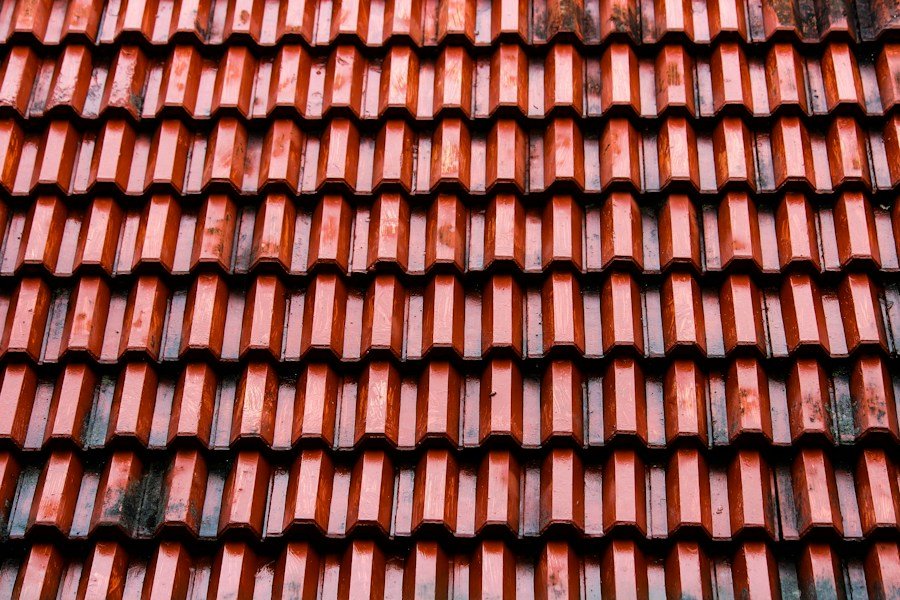
Erlton sits on the west side between Route 70 and the Cooper River, near the Haddonfield line, and holds some of the township’s older suburban houses, many built before the postwar boom. Expect colonials, capes and cottages with steeper roofs, original board sheathing, masonry chimneys and porch roofs tied into the main house. Big oaks along the river corridor mean limbs on roofs and gutters packed with leaves every November.
Kingston Estates
Kingston Estates is one of Cherry Hill’s largest neighbourhoods, with 2,603 homes in 2020, and most are ranches, split-levels and bi-levels from the 1950s and 1960s boom. Many roofs are now on a second layer, with original masonry chimneys, aluminum gutters and box vents. Split-level roofs meet the upper-level wall at long runs of step flashing, which is where most leaks here start, along with the low-slope sections over garages.
Barclay and Barclay Farm
Barclay takes its name from the Barclay Farm House of 1816, now a township living-history museum on 32 acres. Around it, sections such as Brookmead hold postwar single-family homes on wooded lots, and Barclay Towers on Marlton Pike adds a 192-unit condo building. Wooded backyards keep north slopes damp, so algae streaks and moss show up, and older skylights and chimney crickets are frequent leak sources.
Haddontowne and Northwoods
Haddontowne is known for split-level houses, and Northwoods for bi-levels, many still owned by the families who bought them new. Both styles have roofs at two or more heights, so water runs down an upper roof onto a lower one and into the joint where they meet the wall. Kick-out flashing was rarely installed in that era, and fascia rot behind gutters at the lower roof is a common find.
Woodcrest, Old Orchard and Point of Woods
On the east side, Woodcrest grew around what is now the PATCO Woodcrest station, with Woodcrest Station apartments near the line, while Old Orchard and Point of Woods hold two-story colonials and split-levels. These roofs are bigger and more cut up than the west-side ranches, with valleys over garages and front gables. Builder-grade pipe boots and step flashing at second-story walls are the usual failures.
Springdale, Ashland and custom-home sections
The east side, around Springdale Farms and Ashland near the Voorhees line, includes later subdivisions and larger custom homes, and sections such as the Hunt Tract hold luxury estates, some in French Provincial style, with steep hip roofs, dormers and designer or architectural shingles. These steep, complex roofs need staging and careful flashing work at dormers, chimneys and skylights, and a matched shingle can be hard to find on older designer lines.
Garden State Park and Route 70
The old Garden State Park racetrack at Route 70 and Haddonfield Road, opened in 1941 and closed after its last race in 2001, is now shopping, apartments, townhouses and condos. These newer attached homes share roofs and ridge vents across units, so roof work needs a permit and association coordination. Commercial roofs along Route 70 and Route 38 near the Cherry Hill Mall add TPO and modified bitumen.
Mid-century condo buildings
Cherry Hill was an early home for suburban condos and towers: Playa Del Sol dates from 1963 with 125 units, Chestnut Place from 1965 with 92 units, and Cherry Hill Towers is a local landmark. These buildings carry flat roofs with parapets, roof drains, mechanical units and decades of patches. Repairs here are commercial-style work managed through the association and its property manager.
What we fix in Cherry Hill
What Roof Problems Are Most Common in Cherry Hill?
Cherry Hill’s most common roof problems are worn second-layer roofs on 1950s and 1960s homes, leaks where split-level and bi-level roofs meet walls, tree damage under a mature canopy, flat-roof failures on condo buildings, overflowing gutters near the creeks, and hot, poorly vented attics. Each comes from when and how the township was built.
Second and third roofs on boom-era homes
Most of Cherry Hill’s housing went up between 1950 and 1970, so a typical Kingston Estates ranch is on at least its second roof and often already has two layers. New Jersey allows no more than two, so the next roof means tear-off. Repairs on two-layer roofs are less reliable because nails must pass through both layers, and the old deck under them may be plank boards with gaps that make nailing harder.
Split-level and bi-level wall joints
Haddontowne split-levels and Northwoods bi-levels shed water from an upper roof onto a lower one along a wall. The step flashing in that joint was often installed without counter flashing or kick-outs, and after decades of siding changes it may be buried or missing. Water then runs behind siding into the wall, showing as stains in the family room or rot at the sill, well away from the roof itself.
Oak and maple damage under a mature canopy
The trees planted with the 1950s subdivisions are now 70 years old and tall enough to reach roofs. The September 2019 downburst showed the risk: firefighters answered more than 120 calls and trees fell into roofs across town. Even without a storm, overhanging limbs scrape shingles, drop debris into valleys and keep roofs damp, so trimming is part of roof care in Cherry Hill.
Flat roofs on condo and commercial buildings
Mid-century condo buildings like Playa Del Sol and Chestnut Place, the towers along Route 70 and commercial roofs near the Cherry Hill Mall run on built-up, modified bitumen, EPDM or TPO roofs. Ponding near clogged drains, split seams, failed parapet flashing and leaks around rooftop units are the common problems. Many have been patched in layers over the years, which hides wet insulation underneath.
Gutters and downspouts near the creeks
Lots along the Cooper River and Pennsauken Creek, and low-lying streets in between, take heavy runoff in summer downpours. Undersized gutters from the 1960s overflow, and downspouts that dump next to foundations or across walkways cause wet basements and ice on paths. Cherry Hill’s resale inspection checks exterior grading, runoff and sump discharge, so a sensible downspout layout helps at sale time too.
Hot attics on mid-century ranches
Many 1950s and 1960s ranches were built with a few small gable or box vents and little soffit intake, and later insulation often blocked what intake existed. In Cherry Hill’s long, humid summers the attic overheats, shingles age faster and blister, and in winter the same poor ventilation feeds ice dams and frost on the underside of the deck. We check the attic on every inspection for this reason.
Cherry Hill weather
What Weather Has Damaged Cherry Hill Roofs?
Cherry Hill’s worst roof damage has come from sudden summer windstorms, especially the September 2019 downburst, along with the July 2004 flood, heavy snow in January 2016 and the 2012 derecho. Long, hot summers wear roofs down between those events.
September 28, 2019: the downburst
Shortly before 11 p.m. on a Saturday, violent straight-line winds estimated around 70 mph raked Cherry Hill for 15 to 20 minutes. The National Weather Service called it a downburst. Firefighters and EMS answered more than 120 incidents, trees and wires blocked streets, a tree crashed into a neighbour’s roof as one resident watched, and the township offered storm yard-waste collection west of Kings Highway. Damage was reported off Cooper Landing Road and Chapel Avenue.
July 12-13, 2004: the Pennsauken Creek and Cooper River flood
Record rain over Burlington and Camden counties pushed the South Branch Pennsauken Creek at Cherry Hill to roughly a 100-year flood, while the Cooper River just downstream at Haddonfield went well beyond a 100-year flood, according to the U.S. Geological Survey. Rain that intense overloads gutters, backs water under low-slope roofs and finds every weak flashing, which is why homes near both creeks need generous gutters and leaders.
January 23-24, 2016: the blizzard
Camden County picked up 13.0 to 22.0 inches in this storm, according to the state climatologist. In Cherry Hill, deep snow on the low-slope garage roofs of split-levels and on ranch eaves led to ice dams in the thaw, and drifts against the walls of split-level upper floors loaded the step flashing. Flat condo roofs with blocked drains held meltwater, adding weight and leaks.
June 29-30, 2012: the derecho
The June 2012 derecho crossed South Jersey with gusts near 90 mph across the region and cut power to hundreds of thousands of customers, some for a week. Under Cherry Hill’s tall canopy, damage meant limbs on roofs, crushed gutters and lifted shingles on exposed ridges. Shingles that lifted but did not tear often lost their seal and failed in later storms.
Long, hot, humid summers
The state climatologist places southwestern New Jersey, including Camden County, in the zone with the highest average daily temperatures and the longest growing season in the state. For Cherry Hill roofs, that means more heat aging on dark shingles and flat roofs, more algae and moss under shade trees, and more thunderstorms, so attic ventilation and reflective flat-roof coatings matter more here than in North Jersey.
Roofing services
How Do Our Roofing Services Work in Cherry Hill?
Every one of our 12 services is available in Cherry Hill, adjusted for its mid-century houses, mature trees, condo buildings and rental properties. Here is how each one applies locally.
Roof Leak Repair in Cherry Hill
Cherry Hill leaks usually start at split-level wall joints in Haddontowne, chimneys on Kingston Estates ranches, skylights in Barclay and drains on condo flat roofs. We trace the water from the attic or ceiling, photograph the entry point and repair the cause, including hidden step flashing behind siding.
Emergency Roof Repair in Cherry Hill
When a limb comes through a Cherry Hill roof, as many did in the September 2019 downburst, request emergency help through our contact page at any hour. We tarp and secure the opening, document it with photos for your insurer and schedule the permanent repair.
Storm Damage Roof Repair in Cherry Hill
After a windstorm, Cherry Hill damage is usually tree impact, lifted shingles on older roofs and crushed gutters. We inspect every slope, photograph each damaged area and give you a written scope that separates storm damage from wear on a 1960s roof.
Roof Replacement in Cherry Hill
Many Cherry Hill ranches and split-levels already carry two layers, so replacement means full tear-off, deck repair over old plank boards, ice and water shield, new flashing and balanced ventilation. Townhomes and condos need a permit. Full replacements carry our 10-year written workmanship warranty.
Roof Inspection in Cherry Hill
A Cherry Hill roof inspection covers shingles, flashing, attic ventilation and decking with dated photos. It is useful before buying an older Erlton or Kingston Estates home, before listing your own, after a storm or before a rental turnover.
Flat Roof Repair in Cherry Hill
Flat roofs in Cherry Hill cover mid-century condo buildings, porch and garage roofs on split-levels, rear additions and Route 70 commercial buildings. We repair modified bitumen, EPDM and TPO seams, re-flash parapets and walls, clear drains and fix ponding areas.
Metal Roof Repair in Cherry Hill
Metal in Cherry Hill shows up as standing-seam porch and bay roofs on older Erlton houses, copper accents on Hunt Tract estates and metal decks and flashing on commercial roofs. We repair seams, refasten panels, replace failed sealant and correct flashing at walls.
Slate Roof Repair in Cherry Hill
Slate is uncommon in Cherry Hill compared with Haddonfield next door, but some older Erlton and west-side houses and historic farm buildings carry it. We replace broken slates with matched pieces, repair valleys and flashing, and keep a sound slate roof instead of replacing it.
Shingle Roof Repair in Cherry Hill
Asphalt shingles cover nearly every Cherry Hill house. We replace missing and creased shingles, reseal lifted tabs, fix nail pops and match colors as closely as possible, with extra care at split-level roof joints and on second-layer roofs.
Roof Cleaning in Cherry Hill
Under Cherry Hill’s mature oaks and maples, north slopes in Barclay, Erlton and Kingston Estates grow algae and moss. Our cleaning is low-pressure and safe for shingles, and zinc or copper strips near the ridge help keep growth from returning.
Gutter Repair in Cherry Hill
Sixty-year-old gutters on Cherry Hill ranches are often undersized for summer downpours. We replace or re-hang gutters, add drip edge, repair fascia rot and route downspouts away from foundations and walkways, which also helps with resale inspections.
Commercial Roofing in Cherry Hill
Cherry Hill’s commercial roofs include retail and offices along Route 70 and Route 38, the Cherry Hill Mall area, Garden State Park and medical buildings. We repair TPO, EPDM, modified bitumen and built-up roofs and provide written condition reports for owners and managers.
Cherry Hill rules
What Permits and Local Rules Apply to Roof Work in Cherry Hill?
Permits & local review
Roof repair or a full re-cover on a detached single-family Cherry Hill home needs no permit, but townhomes, condo buildings and any structural roof work do. New Jersey has treated roof covering work on detached one- and two-family houses as ordinary maintenance since March 2018 under N.J.A.C. 5:23-2.7. Attached homes such as the townhouses at Garden State Park, condo buildings like Playa Del Sol or Barclay Towers, and commercial buildings go through Cherry Hill’s Department of Code Enforcement and Inspections, which enforces the Uniform Construction Code. A permit is also required for sheathing replacement, rafter repair after a tree strike, or a third layer, which is not allowed.
Cherry Hill adds local steps that touch roofing. Rental units need a Rental Housing Certificate of Occupancy from the township’s housing inspector at each change of occupancy, and landlords must register each rental property. Before a home sale closes, the Property Maintenance Officer inspects the exterior, including grading, runoff and sump discharge. Condo and townhome associations usually control materials and colors. Unlike Haddonfield next door, which requires a Certificate of Appropriateness for roofing in its historic district, Cherry Hill’s code shows no local historic commission review for ordinary homes.
Insurance claims
Homeowners policies usually cover sudden roof damage in Cherry Hill, such as a tree falling in a downburst, wind-torn shingles or the weight of snow, and usually exclude wear and age. That matters on 1950s and 1960s homes, because an adjuster looking at a second-layer roof will separate storm damage from old wear. For Hurricane Ida in 2021, FEMA designated Camden County for public assistance only, not individual assistance, so homeowners relied on their own coverage. Condo owners should know where the association’s master policy ends and their HO-6 policy begins. Landlords should confirm their policy covers rental use, since Cherry Hill requires annual proof of liability insurance for rentals. Photograph damage before cleanup and keep tarp receipts.
Pricing · updated November 2026
How Much Does Roof Repair Cost in Cherry Hill?
As of November 2026, most Cherry Hill roof repairs cost $350 to $1,500, while chimney re-flashing, flat-roof work, tree damage and slate run higher. Two-layer roofs, plank decking on older homes, tree cover and condo association rules all affect the price, and every job gets a written, itemized quote after a free inspection. See our roof repair cost guide for more detail.
Shingle and nail-pop repair
$350 – $800
Replacing a few missing or creased shingles and resealing lifted tabs on a Kingston Estates ranch or Barclay colonial after a windstorm, with color matching and photos of the finished work.
Pipe boot and vent flashing
$250 – $600
New boots and vent flashing on east-side colonials in Woodcrest and Old Orchard, and replacing old lead or rubber flashings on mid-century ranches where they have cracked.
Single-source leak repair
$400 – $1,500
Finding and fixing one leak, often at a Haddontowne split-level wall joint or a Northwoods bi-level lower roof, with minor deck or fascia repair if the wood is soft.
Chimney re-flashing
$600 – $1,800
New step and counter flashing on the masonry chimneys found on most 1950s and 1960s Cherry Hill homes, replacing tar patches and adding a cricket behind wide chimneys.
Flat-roof patch or seam
$400 – $2,500
Seam, blister, drain or parapet repair on condo buildings, split-level garage roofs, rear additions and Route 70 commercial roofs in modified bitumen, EPDM or TPO.
Emergency tarp or rotted deck
$300 – $2,000+
Tarping after a tree strike, or replacing a rotted deck section under a long-leaking split-level joint; structural repair and townhome deck work in Cherry Hill need a permit.
What moves the price in Cherry Hill
- Layer count. Many Cherry Hill homes from the 1950s and 1960s already have two layers, so repairs work through both and replacement includes full tear-off and disposal.
- Old plank decking. Erlton and early Kingston Estates houses often have board sheathing with gaps, which may need new plywood before new shingles can be nailed properly.
- Split-level complexity. Roofs at several heights mean more flashing, more wall joints and sometimes siding removal to reach buried step flashing.
- Tree cover. Mature oaks and maples may need trimming before work, and protecting landscaping and cleaning up debris takes time.
- Attached and condo buildings. Garden State Park townhomes and condo buildings need permits and association coordination, and flat roofs on towers need commercial access and safety setups.
- Steep estate roofs. Hunt Tract estates and other custom homes need staging for steep pitches and may use designer shingles that cost more.
- Timing for sales and rentals. Work needed before a resale inspection or rental turnover often runs on a tight schedule, so book early.
Figures are November 2026 planning ranges built from Roof Observations and Fixr statewide cost data plus our standard repair bands. Cherry Hill jobs vary with decking, layers and access, so your written quote after inspection is the number to rely on.
Who does the work
Why Cherry Hill Homeowners Choose Roof Repair SNJ
- Repairing NJ roofs for 25+ years
- General liability + workers’ comp insurance
- Workmanship warranty: 2 years on repairs, 10 years on full replacements, in writing
- Photo report with every inspection
Check any roofer before you sign in Cherry Hill
Ask for the 13VH registration number and confirm it on the NJ license lookup. NJ law requires a signed written contract showing the registration number and total price, and gives you until midnight of the third business day to cancel (N.J.S.A. 56:8-151).
Nearby
How Do Roofs Differ in the Towns Around Cherry Hill?
Cherry Hill sits between older, historic towns to the west and newer suburbs to the east, so its neighbours range from Haddonfield’s slate and historic review to Voorhees’ 1980s colonials and townhomes. We cover all of them through our Camden County roof repair service.
Haddonfield
Haddonfield’s older homes have more slate, cedar and steep Victorian roofs than Cherry Hill, and roofing in its historic district needs a Certificate of Appropriateness from the Historic Preservation Commission, a step Cherry Hill homeowners do not face.
Voorhees
Voorhees grew mostly in the 1980s, a generation after Cherry Hill, so its colonials and townhome communities are younger, with builder-grade boots and shared valleys as the common issues. See our roof repair in Voorhees page for details.
Pennsauken
Across Pennsauken Creek to the north, Pennsauken has more prewar twins, capes and smaller postwar homes on tighter lots, plus a large industrial and warehouse district with flat roofs, so access and low-slope work are bigger factors there.
Mount Laurel
Mount Laurel, across the Turnpike in Burlington County, boomed about a decade later than Cherry Hill, in the 1970s and 1980s, and has more townhome rows and 55+ communities, so permits for attached homes come up more often.
Haddon Township
Across the Cooper River, Haddon Township and Westmont have early 1900s houses with porches, dormers and box gutters, older than most of Cherry Hill, along with mature street trees that drop limbs in summer storms.
In depth
Cherry Hill Roofing Questions, Answered in Depth
Should I repair or replace the roof on my 1950s or 1960s Kingston Estates or Barclay home?
If your roof is on its second layer and shows curling, missing granules or leaks in several places, replacement is usually the better value; a single-layer roof under about 15 years old with one leak is a repair. The question comes up in Cherry Hill more than almost anywhere in South Jersey, because the township tripled in the 1950s and doubled again in the 1960s. Those houses are now 55 to 75 years old and on their second or third roof.
Start with what is underneath. Many early ranches and split-levels were sheathed with plank boards instead of plywood, sometimes with gaps between them. When the roof comes off, those boards often need to be covered with new plywood or replaced in sections so modern shingles can be nailed properly. That is the hidden cost in many Cherry Hill re-roofs, and a good quote will tell you whether it is included.
Next, count layers. Two layers is the legal maximum in New Jersey, and a lot of Kingston Estates and Barclay homes reached it in the 1990s or 2000s. A two-layer roof can still be repaired, but nails have to go through both layers and patches are less reliable. When it fails across several slopes, tear-off is the only option.
Finally, look at the attic and the chimney. Mid-century ranches often have little soffit intake and a few small vents, which bakes shingles in summer and feeds ice dams in winter. Masonry chimneys from that era often have tarred flashing and missing crickets. A replacement should include new flashing, ice and water shield at eaves and valleys, drip edge and balanced ventilation. We put repair and roof replacement options side by side in writing, with photos, so you can decide with real numbers.
Where do Haddontowne split-levels and Northwoods bi-levels leak, and how is it fixed?
Split-levels and bi-levels leak most often where a lower roof meets the wall of a higher level, at the step flashing along that wall and at the corner where the lower roof’s gutter ends against the siding. Haddontowne is known for split-levels and Northwoods for bi-levels, and both were built when kick-out flashing was rare and siding was installed tightly over roof edges.
Here is what happens. Water from the upper roof pours onto the lower roof and runs along the wall. Each piece of step flashing should overlap the one below it and tuck behind the siding or a counter flashing, so the water stays on the roof. Over 60 years, siding gets replaced, flashing gets cut short or covered with caulk, and roofers on later jobs nail new shingles over old flashing without replacing it. Water then gets behind the siding, runs down inside the wall and appears as a stain in the room below or rot at the sill plate, sometimes far from the roof.
The other weak spot is the end of the lower roof’s gutter. Without a kick-out flashing, water running down the roof edge pours behind the gutter end and into the wall. On many Cherry Hill splits this has been happening for decades, and the first sign is soft siding or a stain near a window.
The fix is to remove a course or two of siding above the lower roof, replace the step flashing piece by piece with new counter flashing or a proper siding tie-in, install a kick-out at the gutter end and repair any rotted sheathing or fascia. On a low-slope garage roof with shingles, we also check the pitch; if it is too flat for shingles, we may recommend a membrane. We photograph the hidden flashing before and after so you can see the work. Our roof leak repair page explains how we trace these leaks.
Selling a Cherry Hill home: what will inspectors and buyers look at on the roof?
Buyers’ home inspectors will look at the roof’s age, layers, flashing, attic ventilation and any stains, while Cherry Hill’s own resale inspection focuses on the exterior property, including grading, runoff and sump discharge. Knowing both helps you avoid a last-minute negotiation or a delayed closing.
Cherry Hill requires the exterior of a home to be inspected by the township’s Property Maintenance Officer before a sale can close. The township describes that inspection as covering walkways, driveways, fencing, trees, debris, grading and runoff, vegetation, exhaust vents, sump pump discharge, outbuildings and ground-level hazards. The roof itself is not on that list, but roof drainage is closely tied to it: downspouts that dump onto walkways or pond near the foundation, gutters hanging off the fascia, or a dead tree leaning over the house are the kinds of conditions that can come up.
The buyer’s inspector will go further. Expect notes on the number of layers, granule loss, curled shingles, chimney and skylight flashing, soft decking, attic moisture and mold, and the age of the roof. On a 1960s Cherry Hill ranch with a second-layer roof from the 1990s, the inspector will almost certainly flag it as near the end of its life, and the buyer may ask for a credit.
Our advice is to get a pre-listing roof inspection. We give you dated photos and a written report. If the roof has years left, the report helps you answer the buyer’s questions. If it needs a few repairs, you can make them before listing. If it needs replacement, you can decide whether to replace or price the home accordingly. Fix gutter and downspout problems before the township’s exterior inspection, and keep receipts for any recent roof work, since buyers and their lenders often ask for them.
Renting out a Cherry Hill house or condo: what do landlords need to know about the roof?
Cherry Hill requires landlords to register each rental property and to get a Rental Housing Certificate of Occupancy from the township’s housing inspector at every change of occupancy, so roof leaks and water stains are best fixed before the unit turns over. The township’s rental rules also require annual proof of liability insurance, which ties into how roof damage is covered.
The township says the Landlord Registration Form must be filed once for each rental property under N.J.S.A. 46:8-27 and updated within 30 days of any change. A Rental Housing Certificate of Occupancy is required whenever there is a change of occupancy and before a new tenant moves in, and tenants may not move in until the housing inspector issues it. The township’s rental checklist is described as not all-inclusive, so treat active leaks, stained or sagging ceilings and loose gutters as items to fix before you schedule the inspection, not after.
Roof problems also cause tenant complaints that are hard to fix quickly once someone lives there: buckets under a skylight, mold in a bathroom under a cracked pipe boot, or ice dams dripping inside a window. A short inspection between tenants lets you schedule repairs during the vacancy, when access is easy.
For condo rentals, the association usually handles the roof, but owners still need to report leaks promptly and document them. For houses, remember that the roof must be in sound condition under the township’s property maintenance standards. If you own several rentals in Cherry Hill, a yearly roof check timed before fall leaf drop catches most problems before winter. Rent control rules in Chapter 14 of the township code are separate from these requirements, so check them before passing costs on to tenants.
Flat roofs on Cherry Hill’s mid-century condo buildings and towers: repair or restore?
Most leaks on Cherry Hill’s older condo buildings come from failed seams, parapet flashing, clogged drains and rooftop equipment, and a well-maintained flat roof can often be repaired or restored instead of fully torn off. Cherry Hill has one of the oldest stocks of suburban condo buildings in South Jersey: Playa Del Sol dates from 1963 with 125 units, Chestnut Place from 1965 with 92 units, Barclay Towers on Marlton Pike has 192 units, and Cherry Hill Towers is a long-standing landmark.
These buildings typically carry built-up, modified bitumen, EPDM or TPO roofs over insulation, with parapet walls, internal drains, scuppers and mechanical units. Over 50 to 60 years, many have been re-roofed once or twice and patched many times. The trouble is that wet insulation under an old patch keeps the roof deck damp and heavy, and leaks may appear far from where water enters.
A proper assessment starts with a full walk of the roof, a look at drains and parapets, and, where needed, core samples or moisture testing to find wet areas. If most of the insulation is dry, targeted repairs to seams and flashing plus a coating or a recover can extend the roof’s life. If large areas are wet, a tear-off of those sections or the whole roof is the better long-term choice.
Because these buildings are not detached homes, roof replacement goes through Cherry Hill’s Department of Code Enforcement and Inspections with a permit. The association’s board and property manager set scope, approve the contractor and handle notices to residents. We provide written condition reports with photos that boards can share with owners, and we coordinate access, safety and scheduling around residents. We explain the membrane options in plain terms before the board votes.
FAQ
Roof Repair in Cherry Hill, NJ: Frequently Asked Questions
Do I need a permit to replace my roof in Cherry Hill?
No permit is needed on a detached single-family house, since state rules classify re-covering a detached one- or two-family home as ordinary maintenance. Cherry Hill townhomes, condo buildings and commercial roofs need a permit from the Department of Code Enforcement and Inspections, as does any structural or sheathing work.
What roof problems are most common in Cherry Hill?
Worn second-layer roofs on 1950s and 1960s homes, leaks where split-level roofs meet walls, tree damage under mature oaks, flat-roof failures on condo buildings, overflowing gutters near the Cooper River and Pennsauken Creek, and hot, poorly vented attics are the most common Cherry Hill roof problems.
How much does roof repair cost in Cherry Hill?
Most Cherry Hill repairs cost $350 to $1,500 as of November 2026. Chimney re-flashing usually falls between $600 and $1,800, flat-roof repairs between $400 and $2,500. Old plank decking, two-layer roofs and tree cover can raise costs. You get a written, itemized quote after a free inspection.
Does Cherry Hill have historic district rules for roofs?
We found no local historic commission review for ordinary homes in Cherry Hill’s code. Neighbouring Haddonfield does require a Certificate of Appropriateness for roofing in its historic district. Cherry Hill’s historic sites, such as the 1816 Barclay Farm House and Croft Farm, are township-owned landmarks.
Does Cherry Hill’s resale inspection check the roof?
Cherry Hill’s resale inspection covers the home’s exterior property, such as grading, runoff, exhaust vents, sump discharge and outbuildings, not the roof itself. Gutters and downspouts affect runoff, though, and a buyer’s home inspector will check the roof closely, so a pre-listing inspection is wise.
Can a rental home in Cherry Hill pass inspection with a roof leak?
Cherry Hill requires a Rental Housing Certificate of Occupancy from the housing inspector at each change of occupancy, and its checklist is not all-inclusive. Fix active leaks, stained ceilings and loose gutters before the inspection to avoid delaying a new tenant’s move-in.
What damage did the 2019 Cherry Hill downburst cause?
On September 28, 2019, straight-line winds around 70 mph hit Cherry Hill for 15 to 20 minutes. Crews answered more than 120 incidents, trees fell on homes and roofs, and wires blocked streets. The National Weather Service classified the event as a downburst, not a tornado.
Why do split-level homes in Cherry Hill leak?
Split-levels in Haddontowne and elsewhere in Cherry Hill shed water from an upper roof onto a lower roof along a wall. Old or missing step flashing and missing kick-out flashing at the gutter end let water behind the siding, causing stains and rot below.
Should I repair or replace a two-layer roof on my Cherry Hill ranch?
If a two-layer roof on your Cherry Hill ranch is curling, losing granules or leaking in several places, replacement with full tear-off is usually the better value. New Jersey allows only two layers. A single-layer roof with one leak is normally a repair.
Do you repair flat roofs on Cherry Hill condo buildings?
Yes. We repair and assess flat roofs on Cherry Hill condo buildings and towers, including seams, parapet flashing, drains and rooftop units, and provide written condition reports with photos for boards and property managers. Replacement on these buildings requires a township permit.
What should I do after a tree hits my Cherry Hill roof?
Leave rooms under the damage, photograph the tree on the roof before anything is moved, have a tree service remove it, then get the roof tarped. Request emergency help through our contact page. We document Cherry Hill storm damage for your insurer and quote the repair.
How can I check a Cherry Hill roofer’s registration?
Ask for the contractor’s New Jersey home improvement registration number, which begins with 13VH, and look it up on the state verification site. Cherry Hill homeowners should get a written contract with total price, insurance certificate and a three-business-day right to cancel.
Reviewed by the Roof Repair SNJ team · Last updated November 2026
Free inspection
Get a Free Roof Inspection in Cherry Hill
Whether it is a split-level joint leaking in Haddontowne, a two-layer roof on a Kingston Estates ranch, a tree on an Erlton house or a flat roof on a condo building, we will inspect, photograph and give you a written, itemized quote. Book your Cherry Hill roof inspection or send us photos first. Repairs come with a two-year written workmanship warranty.
No pressure and no obligation. If a repair will do, we’ll tell you.
Roof Repair SNJ
- Serving Cherry Hill and all of Camden County
- Request roof service in Cherry Hill
- Mon–Fri 5:00 AM–10:00 PM · Sat 5:00 AM–6:00 PM · Emergencies 24/7
Sources: Cherry Hill, New Jersey (history, population, places, zips) · Kingston Estates, New Jersey (2020 housing) · Barclay, New Jersey (Barclay Farm House, 2020 housing) · Census Reporter: Cherry Hill township (ACS 2024) · The Sun: 50 years of Cherry Hill · Patch: Downburst wreaks havoc in Cherry Hill (Sept 2019) · 6abc: Storms cause widespread damage in Cherry Hill (Sept 2019) · USGS: Flooding in New Jersey, July 12-14, 2004 · Cherry Hill Township: Construction / Code Enforcement and Inspections · Cherry Hill Township: Permit Application Requirements · Cherry Hill Township: Rental Housing Inspections · Cherry Hill Township: Residential Resale Inspections · Cherry Hill Township Code index (historic, rent control) · Haddonfield HPC FAQ (Certificate of Appropriateness) · Office of the NJ State Climatologist: January 2016 blizzard totals · NWS Mount Holly: June 29-30, 2012 derecho · Rutgers: New Jersey climate overview (southwest zone) · FEMA DR-4614 (Ida) designated areas · Homes.com Cherry Hill local guide (neighbourhood and condo names) · N.J.A.C. 5:23-2.7 ordinary maintenance · NJ contractor registration lookup · N.J.S.A. 56:8-151 home improvement contracts · Roof Observations: New Jersey roof cost guide · Fixr: roof replacement cost New Jersey. Prices are planning ranges, not quotes. Permit and insurance information is general guidance; your town, policy and agent have the final word.